
Up to 60% of construction delays trace back to hidden soil problems—so why is ground improvement becoming a must-have in today’s projects? Simply put, building on unstable or weak soils is a gamble that no engineer wants to take. Ground improvement in construction transforms natural, often unpredictable terrain into a solid foundation that supports safety, cuts costs, and speeds up timelines. Whether you\’re tackling soft clay, loose sand, or seismic-prone areas, understanding why ground improvement is essential will save you from costly surprises down the line. Ready to learn how improving the ground beneath your feet can make or break your project? Let’s dive in.
Understanding Poor Soil Conditions The Hidden Risks in Construction Sites
Have you ever wondered why some construction projects face unexpected foundation problems? The answer often lies beneath the surface—in the soil conditions. Poor soil can create hidden risks that, if overlooked, can derail any construction effort. Common soil problems include low bearing capacity, excessive settlement, high permeability, and liquefaction potential. Each of these issues compromises the stability and safety of structures in different ways.
- Low bearing capacity means the soil can’t support the weight of the building, making foundations prone to sinking or failure.
- Excessive settlement occurs when soil compresses unevenly, causing uneven floors, cracks, and sometimes dangerous structural shifts.
- High permeability allows water to flow freely through soil, which can lead to erosion or weakening of the foundation base.
- Liquefaction potential is a serious risk in seismic areas. During an earthquake, saturated soils may temporarily lose strength, behaving like a liquid and causing buildings to settle or tip over.
Local factors play a big role too. Coastal zones often have saturated soils, increasing risks like settlement and liquefaction. Urban brownfields—previously developed land—may contain disturbed or contaminated soils, complicating construction further.
Understanding these soil challenges is the first step to preventing costly issues down the road. If your project site is in a region with known soil risks, consulting with specialists on soil stabilization techniques is smart. Ready to learn how to tackle these risks effectively? Keep reading to discover why ground improvement is essential for project success.
For comprehensive insights, explore our land soil improvement services and understand how tailored solutions can make the difference.
The Critical Impacts of Ignoring Ground Improvement
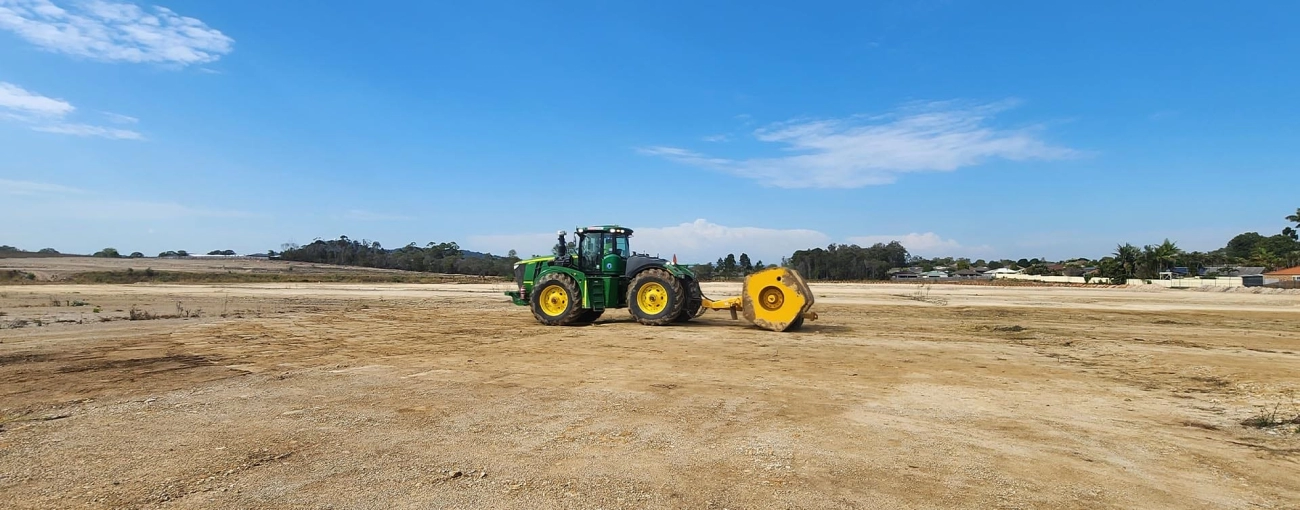
Skipping ground improvement can lead to big problems on any construction site. When soil issues aren’t properly addressed, structures risk failure — from cracks in foundations to total collapses. For example, we’ve seen projects where poor soil stabilization caused excessive settlement, leading to costly repairs and even halted work. These issues come with a heavy economic toll: unexpected cost overruns, frustrating delays, and higher insurance premiums become the norm.
Beyond finances, ignoring ground improvement puts everyone’s safety at risk. Unstable soil conditions increase worker hazards on-site and can cause damage to nearby ecosystems through soil erosion or contamination. The environmental fallout should never be underestimated.
Key stats back this up: liquefaction alone — where saturated soil loses strength during an earthquake — has caused billions in damages across the U.S. So, investing in effective soil stabilization techniques isn’t just smart, it’s essential to protect lives, budgets, and the environment.
Key Reasons Why Ground Improvement is Essential for Project Success
Ground improvement plays a critical role in making construction projects succeed, especially when dealing with poor soil conditions. Here’s why it matters:
Enhancing Load Bearing Capacity and Reducing Settlement
- Stronger foundation support helps your building stay stable without sinking or shifting.
- Less settlement means fewer cracks, misalignments, and long-term damage.
- There are pros and cons: although ground improvement adds upfront costs, it prevents costly repairs later.
Mitigating Geohazards
- Techniques like soil stabilization and liquefaction mitigation protect against risks like soil erosion and seismic shaking.
- In areas prone to earthquakes or flooding, these measures significantly reduce structural damage.
Cost Efficiency and Time Savings Compared to Excavation
- Ground improvement methods usually cost less than full soil excavation and replacement.
- They save construction time by avoiding large-scale digging and hauling, helping projects stay on schedule and budget.
Sustainability Advantages
- Improving the existing soil reduces waste and the need for new materials, cutting your project’s carbon footprint.
- This aligns with growing green building trends across the U.S., supporting sustainable development.
Localized Tailored Assessments with Sunzo
- Sunzo specializes in site-specific ground improvement plans that fit your project’s unique soil and environmental conditions.
- Their tailored assessments ensure the best techniques are chosen for maximum effectiveness.
Visualizing Soil Improvement
- A before-and-after soil properties flowchart clearly shows how ground improvement changes soil from weak and unstable to strong and reliable.
By focusing on these key reasons, ground improvement isn’t just an option—it’s a smart step toward safer, quicker, and greener construction projects here in the U.S.
Proven Ground Improvement Techniques Which One Fits Your Project
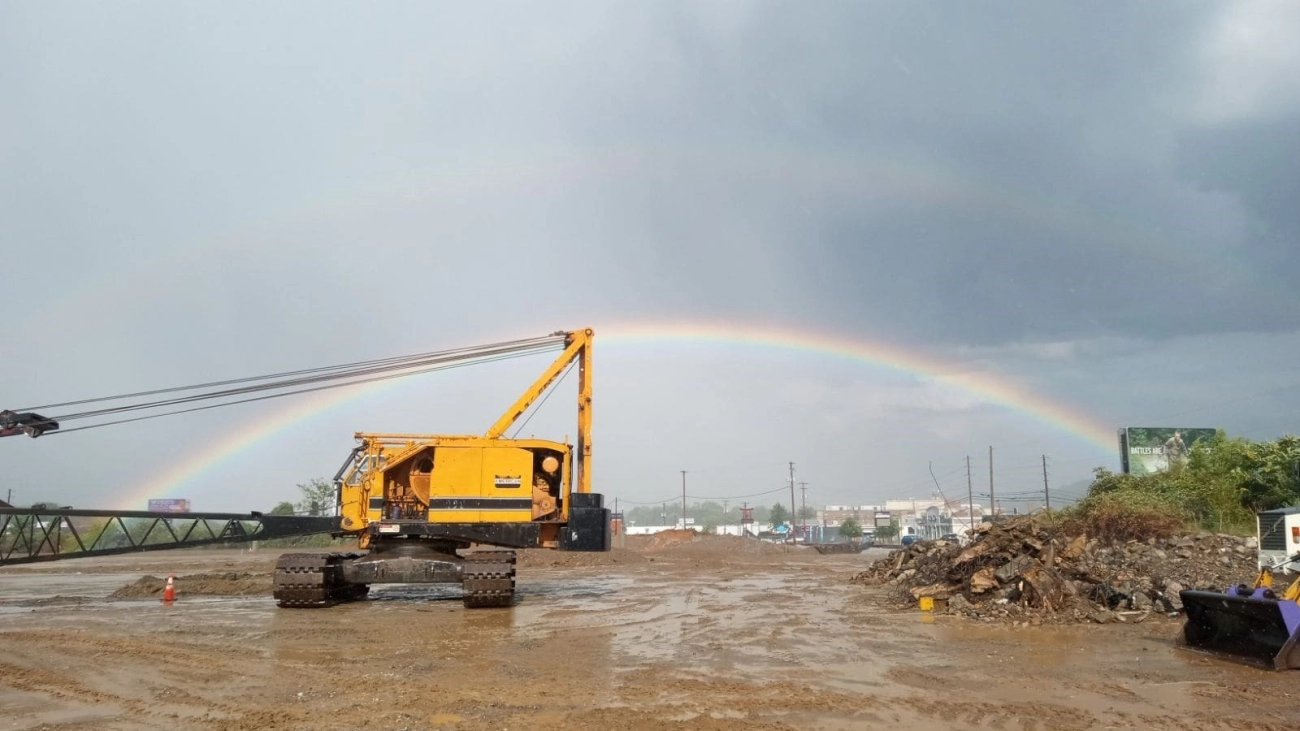
Choosing the right ground improvement technique depends on your soil type, project needs, and budget. Here’s a quick look at the most proven methods and when they work best:
Mechanical Methods
- Vibro Compaction: Ideal for granular soils like sand and gravel. It densifies loose soils by vibration, increasing bearing capacity and reducing settlement.
- Dynamic Compaction: Uses heavy weights dropped on the ground to compact loose soils, excellent for larger sites with granular soils.
Hydraulic and Chemical Methods
- Grouting: Injects cement or chemical mixtures into the soil to fill voids and strengthen both cohesive and permeable soils.
- Soil Mixing: Combines soil with stabilizing agents to improve properties, helpful for soft clays and silts.
Reinforcement Techniques
- Stone Columns: Replace weak soil with compacted columns of gravel or stone, boosting load capacity and aiding drainage. Great for soft, compressible soils.
- Geosynthetics: Synthetic materials like geotextiles strengthen soil and improve slope stability. Useful in both cohesive and non-cohesive soils.
Preloading and Vertical Drains
- Applies extra load to compress soft soils, speeding up settlement before construction begins. Vertical drains help remove pore water quickly, accelerating consolidation.
How to Choose the Right Method
- Soil Type: Granular soils often benefit from vibro or dynamic compaction, while clays might need grouting or soil mixing.
- Project Depth: Some methods work better for shallow layers; others reach deep stabilization needs.
- Budget: Mechanical methods usually cost less but may not suit all soils; chemical methods are more flexible but pricier.
Here’s a comparison table to help guide your choice:
| Technique | Best Soil Type | Depth Range | Cost Level | Key Benefit |
|---|---|---|---|---|
| Vibro Compaction | Granular (sand, gravel) | Up to 50 ft | Moderate | Fast densification |
| Dynamic Compaction | Granular | Up to 60 ft | Moderate | Large area treatment |
| Grouting | Cohesive, permeable | Variable | High | Soil strengthening |
| Soil Mixing | Soft clay, silts | Variable | High | Custom stabilization |
| Stone Columns | Soft, compressible | Up to 40 ft | Moderate | Load support + drainage |
| Geosynthetics | Various | Surface to depth | Low-Moderate | Reinforcement & erosion control |
| Preloading + Drains | Soft, compressible | Surface layers | Moderate | Accelerates settlement |
Sunzo’s Vibro Techniques
Sunzo, a leader in ground improvement, offers advanced vibro compaction methods fine-tuned for local US soil conditions. Their technology ensures better soil stabilization with faster project timelines—ideal for urban and coastal sites. You can learn more about Sunzo’s expertise and see how it fits your project at our ground improvement contractor page.
Picking the right technique not only saves costs but also sets your project up for long-term success by preventing foundation settlement and minimizing geohazard risks. For more tailored solutions, a detailed site assessment is always the first step.
The Design Build Process From Site Assessment to Long Term Monitoring
When it comes to ground improvement, following a clear design build process is key for success. It starts with a geotechnical site investigation. This means we assess soil conditions, identifying issues like poor soil bearing capacity or liquefaction risks right from the start. Knowing what we\’re dealing with helps us pick the best soil stabilization techniques.
Next up is technique selection and execution. Based on the soil type and project needs, we choose methods like vibro compaction, stone column installation, or grouting. The goal is to improve soil strength and prevent foundation settlement.
Throughout construction, quality control testing is critical. We verify that the ground improvement methods work as planned, ensuring safety and performance. After construction, post-construction monitoring keeps an eye on soil behavior over time, catching any changes early.
For tight project timelines, rapid assessments for bids are helpful. They allow quick, reliable ground condition reports to support cost estimates and planning decisions.
This whole process—from detailed site studies to long-term checks—ensures your construction rests on a solid, stable foundation. It’s a smart approach we trust, especially for the varied soils and conditions across regions in the U.S.
Here’s a quick overview of the process:
| Step | Purpose |
|---|---|
| Geotechnical Investigation | Soil analysis and risk identification |
| Technique Selection | Choose best soil improvement method |
| Execution | Implement ground stabilization |
| Quality Control Testing | Ensure methods meet standards |
| Post Construction Monitoring | Track soil and foundation stability over time |
| Rapid Assessments for Bids | Fast soil reports for estimating and planning |
Future Trends in Ground Improvement Innovation for Resilient Infrastructure
Ground improvement is evolving fast, driven by the need for stronger, safer, and more sustainable construction. Here’s where things are headed:
Eco-Friendly Materials
Green building isn’t just a buzzword—it’s becoming a must. New ground improvement techniques use eco-friendly materials that reduce the carbon footprint. This means less harm to the environment while still creating solid foundations.
AI-Driven Modeling
Artificial intelligence is changing how we approach soil stabilization. AI tools analyze site data faster and with more precision, helping choose the best method and predict outcomes. This reduces guesswork and improves ground modification success.
Climate-Adaptive Techniques
With extreme weather events on the rise, ground improvement must keep up. New methods are being designed to handle flooding, erosion, and changing groundwater levels—keeping infrastructure safe no matter what Mother Nature throws at it.
Adapting to Urbanization
Urban construction faces unique challenges like limited space and complex soil conditions. Innovative techniques make it possible to improve soil quickly without large-scale excavation, perfect for brownfields and tight city sites.
Sunzo’s Cutting-Edge Solutions
Sunzo stands out by combining advanced vibro compaction and sustainable technologies tailored for U.S. projects. Their approach focuses on reliable, cost-effective solutions that meet local regulations and adapt well to regional soil challenges.
In short, the future of ground improvement is smart, green, and ready for the toughest conditions—ensuring your construction projects stay solid for the long haul.
 English (United States)
  Vietnamese
  Malay
Malay  French
  Spanish
  Indonesian
  Russian
  Arabic
  Thai
Thai  English (South Africa)
  Panjabi
  Portuguese
  Afrikaans
  Amharic