
Fundamentals of Ground Improvement for Structural Engineers
Ground improvement is all about making weak or marginal soils suitable to support structures safely and cost-effectively. As structural engineers, understanding the basics is key to integrating ground improvement into your project designs.
Soil Site Challenges
Not all soils are created equal. Marginal soils—like loose sands, soft clays, or uncontrolled fill—can cause settlement, instability, or even failure if untreated. Geotechnical reports are your first line of defense. Focus on these key metrics:
- Shear Strength: Indicates soil’s resistance to sliding or bearing loads.
- Compressibility: Measures how much the soil will settle under a load.
- Permeability: Shows how water moves through the soil, affecting consolidation and stability.
If these metrics fall below project requirements, ground improvement can be a smart alternative to deep foundations.
Performance Goals
The main goals of ground improvement are to:
- Increase Bearing Capacity: Allow shallow foundations to safely carry structural loads.
- Reduce Settlement: Keep total and differential settlement within acceptable limits.
- Enhance Uniformity: Improve consistency across the site, reducing risk of uneven movement.
Compared to deep foundations, ground improvement lets you use cost-effective shallow foundations—often with similar performance when designed and executed correctly.
Economic Rationale
Why choose ground improvement over deep foundations? Consider these points:
- Lower Lifecycle Costs: Reduced excavation, steel, and concrete needs.
- Faster Schedules: Shallow foundations mean quicker construction.
- Sustainability: Less material use and lower carbon footprint.
A well-designed ground improvement solution can deliver significant cost savings and meet green building goals.
Role of Collaboration
Structural engineers rely on close collaboration with geotechnical engineers. Here’s how you benefit:
- Data-Driven Design: Use geotech data to select the right ground improvement method.
- Optimized Foundations: Specify shallow foundations that match improved soil properties.
- Risk Reduction: Identify and address potential issues early in the design phase.
Tip: Early involvement of all stakeholders leads to better outcomes and fewer surprises during construction.
Ground improvement is a practical, sustainable tool for structural engineers facing challenging soil conditions. Are you making the most of your geotechnical data? Let’s explore the common methods and how to integrate them into your next project.
Common Ground Improvement Methods Pros Cons and Applications
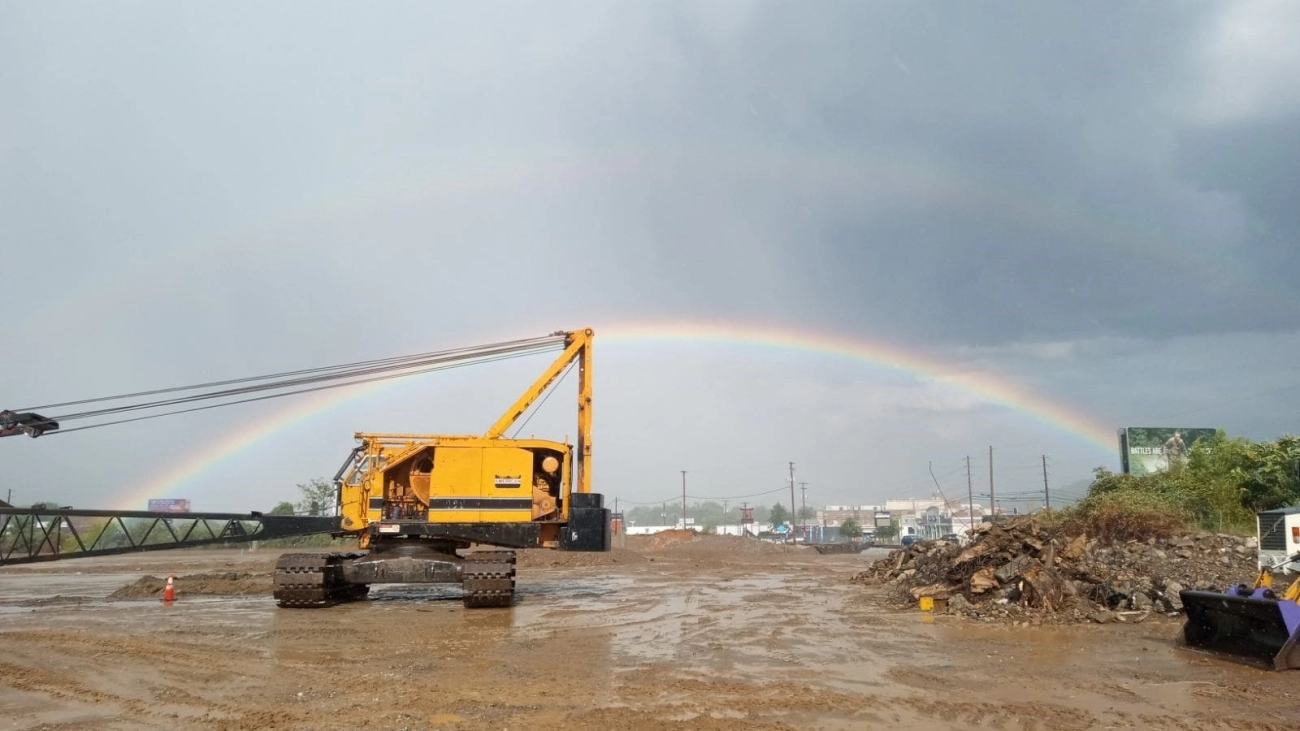
Ground improvement is all about making weak soils strong enough to support buildings and infrastructure. Here’s a quick rundown of the most common methods we use, how they work, and what they’re best for.
Mechanical Densification
Vibro Compaction and Dynamic Compaction
- How it works: We use heavy equipment to shake or pound the ground, packing loose granular soils tighter.
- Pros: Fast, cost-effective for big open sites, boosts bearing capacity, cuts down settlement.
- Cons: Not for clay or silty soils, can be noisy, needs space.
- Best for: Large areas with sandy or gravelly soils—think warehouses, parking lots, or wind farms.
Reinforcement Techniques
Aggregate Piers and Rigid Inclusions
- Aggregate Piers: We drive stone columns into the ground, which stiffen weak soils and control settlement.
- Rigid Inclusions: Concrete or grout columns take on the loads, so soil doesn’t have to.
- Pros: Good for soft soils, works under existing structures, quick install.
- Cons: Costs more than simple densification, needs expert design.
- Best for: Schools, hospitals, commercial buildings—anywhere you want shallow foundations on marginal soils.
Chemical Stabilization
Soil Mixing and Permeation Grouting
- Soil Mixing: We blend cement or lime right into the soil, making it stiffer and less prone to water issues.
- Permeation Grouting: Inject grout to fill soil voids and lock everything together.
- Pros: Works in tight sites, handles contaminated soils, cuts down permeability.
- Cons: Can be pricey, needs careful quality control, watch out for chemical impacts.
- Best for: Urban sites, brownfields, flood-prone areas—anywhere you need to control water or boost strength.
Replacement and Drainage
Wick Drains
- How it works: Install synthetic drains to speed up the consolidation of soft, wet soils.
- Pros: Reduces settlement time, helps with liquefaction risk.
- Cons: Only works where water can be moved, slower than other methods.
- Best for: Roadways, embankments, and anywhere with thick clay or silt layers.
Selection Framework
How We Pick the Right Method
- Soil Type: Sandy? Go mechanical. Soft clay? Try reinforcement or drains.
- Load and Settlement Tolerance: Heavy buildings need more robust solutions.
- Project Needs: Tight schedule? Chemical methods. Big open site? Densification.
- Table: Method Suitability
| Soil Type | Load Level | Settlement Tolerance | Best Method |
|---|---|---|---|
| Sand/Gravel | Medium | Low | Vibro Compaction |
| Soft Clay | High | Moderate | Aggregate Piers |
| Silt/Peat | Low | High | Wick Drains |
| Contaminated | Variable | Variable | Soil Mixing/Grouting |
Bottom line: We match ground improvement methods to your soil, your building, and your budget. That’s how we get safe, cost-effective foundations without overdesigning.
Integrating Ground Improvement into Structural Design and Specifications
Reading Geotech Reports What Structural Engineers Should Know
Start with the geotechnical report—it’s your playbook. Focus on sections showing bearing capacity improvement after ground treatment. Look for metrics like allowable bearing pressures, post-improvement settlement predictions, and any red flags (high water tables, soft clay layers, fill materials). These details help you decide if shallow foundations are now viable and what type of ground improvement fits best.
Design Workflow Practical Steps for Engineers
- Load Transfer Platforms: Use platforms or mats to spread loads after ground improvement. This helps optimize footing sizes and lowers costs.
- Footing Optimization: With improved soils, you can often shrink footings or switch from deep to shallow foundations. Check settlement control methods and run software models to confirm.
- Software Tips: Use tools like PLAXIS or Settle3D to model improved soils and predict settlement. Always input post-improvement soil parameters from the geotech report.
Specifications Best Practices
- Performance-Based Specs: Set clear targets for bearing capacity, settlement limits, and durability. Let the contractor choose the best soil stabilization techniques to hit those goals.
- Prescriptive Specs: Sometimes you need to specify exact methods—like aggregate piers design or compaction grouting applications—especially for QA/QC.
- QA/QC Clauses: Always include testing requirements, proof testing, and verification for every stage. This ensures what’s promised gets delivered.
Risk Mitigation How to Avoid Problems
- Differential Settlement Modeling: Model for uneven settlement early. Use geotechnical report analysis to flag risk zones.
- Early Specialty Contractor Involvement: Bring in ground improvement experts during preconstruction. They know the local soil and can spot issues that might slip by in design.
Case Study Sunzo Project Saving on Foundation Costs
On the Sunzo project, we used ground improvement instead of deep foundations. The geotech report showed marginal soils, but after treatment, we hit the needed bearing capacity and settlement limits. Shallow foundation optimization cut costs, sped up the build, and met all specs. For more on similar projects, check out our ground improvement project portfolio.
Pro tip: Always use the latest geotech data and keep specs flexible. For more on certifications and QA/QC, visit our certifications page.
Construction Monitoring and Long Term Considerations for Ground Improvement
On Site Execution and Contractor Coordination
Getting ground improvement right on site means tight coordination with all teams. We work closely with utility crews and general contractors to phase our work so nothing gets missed. For example:
- Utility checks: We confirm all lines are mapped and marked before starting.
- Staging: We phase ground improvement to match the construction schedule, keeping the site moving.
- Safety first: We follow strict safety protocols to protect everyone on site.
Monitoring Protocols and Quality Assurance
We always monitor ground improvement as it happens and after it’s done. Here’s how:
- Proof testing: We run load tests to confirm the soil is holding up as designed.
- Settlement gauges: We install these to track any movement during and after construction.
- Post-install verification: We check the ground improvement with borings or CPTs to confirm results match design specs.
Maintenance and Long Term Durability
Ground improvement is built to last, but we plan for the long haul:
- Routine checks: Regular inspections help spot issues early.
- Retrofit options: If your needs change or the site settles more than expected, we can add more ground improvement or other stabilization methods.
- Durability: The right ground improvement can last the life of the structure, especially when matched to local soil conditions.
Emerging Trends and Local Regulations
We stay on top of new tech and rules:
- Sustainable admixtures: We use greener binders and recycled materials when possible.
- AI-driven soil analysis: Smarter data lets us design more efficient, cost-effective solutions.
- Local codes: We follow all state and city regulations to keep your project compliant.
Monitoring Checklist Table
| Method | Key Metric | Frequency |
|---|---|---|
| Proof load testing | Load capacity | Once post-install |
| Settlement gauges | Vertical movement | Weekly, then monthly |
| Visual inspections | Cracks, surface issues | Monthly |
| Lab testing (cores) | Strength, composition | As needed |
Keeping a close eye on these metrics ensures your ground improvement delivers reliable performance for years to come.
When to Choose Ground Improvement Practical Decision Tools
Ground Improvement vs Deep Foundations
When you’re deciding between ground improvement and deep foundations, it’s all about balancing performance, cost, and site challenges. In the U.S., ground improvement is often the smarter choice for sites with marginal soils, especially when you want to stick with shallow foundations. We use soil stabilization techniques like aggregate piers, vibro stone columns, and rigid inclusions to boost bearing capacity and control settlement—sometimes at a fraction of the cost of deep foundations.
ROI Calculator for Ground Improvement
Want to see if ground improvement is worth it for your project? Here’s a quick checklist:
- Foundation Type: Shallow foundations after ground improvement can cost 30-50% less than deep foundations.
- Schedule: Ground improvement usually speeds up construction—no waiting for piles to cure.
- Site Constraints: Tight sites, existing utilities, or high water tables? Ground improvement can be less disruptive.
- Maintenance: Improved soils often mean less long-term maintenance compared to deep foundation systems.
Project Red Flags
Ground improvement isn’t always the answer. Watch for these warning signs:
- High Water Tables: May limit effectiveness of some soil stabilization techniques.
- Undocumented Fill: Unknown fill materials make ground improvement riskier.
- Tight Sites: Limited access can restrict equipment or method options.
If you see these, talk with your geotechnical engineer about alternatives like deep foundations or hybrid approaches.
Cost Benefit Analysis
Here’s what we look at when comparing ground improvement to deep foundations:
- Material and Labor Costs
- Construction Speed
- Long-Term Performance
- Environmental Impact
- Schedule Acceleration
Often, ground improvement wins on cost and speed, especially for commercial and industrial builds.
Pro Tip Early Value Engineering
Loop in your geotechnical team early. Value engineering with geotechs helps avoid overdesign and unnecessary deep foundations. It’s the best way to optimize shallow foundation design and keep costs in check.
FAQ Ground Improvement vs Deep Foundations
Q: Is ground improvement cheaper than deep foundations?
A: Most of the time, yes—especially for projects where shallow foundations are possible. You get faster schedules and lower material costs.
Q: How do I know if ground improvement is right for my site?
A: Check your geotechnical report for soil type, bearing capacity, and water table. If you see marginal soils but no major red flags, ground improvement is worth a look.
Q: What methods work best in the U.S.?
A: Aggregate piers, vibro stone columns, and compaction grouting are proven for most commercial sites.
Q: What’s the biggest risk?
A: Unknown fill or high water tables. Always verify site conditions before choosing your method.
Q: Can ground improvement help with sustainability?
A: Yes. Many methods use recycled materials and reduce the carbon footprint compared to deep foundations.
If you want more info or a site-specific ROI calculator, reach out to our team. We’ll help you find the best fit for your project.
 English (United States)
  Vietnamese
  Malay
Malay  French
  Spanish
  Indonesian
  Russian
  Arabic
  Thai
Thai  English (South Africa)
  Panjabi
  Portuguese
  Afrikaans
  Amharic