
The Fundamentals What Are Ground Improvement Techniques
Ever wondered why some buildings stand firm while others settle or crack? The secret often lies in ground improvement techniques. These are specialized soil stabilization methods used to boost the strength, stability, and performance of weak or problematic soils before construction begins.
What Are Ground Improvement Techniques
Ground improvement techniques are a set of engineered solutions that modify the physical or chemical properties of soil. The goal is simple—make the ground safer and more reliable for everything from highways and bridges to homes and commercial buildings. Think of it as giving the earth beneath your feet a serious upgrade, so your project stands the test of time.
When Is Ground Improvement Needed
You might need ground improvement if you notice:
- Soft or loose soils: These can’t support heavy loads and may shift over time.
- High groundwater tables: Excess water can weaken soil and cause instability.
- Seismic risks: In earthquake-prone areas, weak soils can liquefy, putting structures at risk.
- Uneven settlement: Visible cracks, tilting, or sinking in existing structures.
Sometimes, the only alternative is expensive deep foundations or even relocating a project. Ground improvement offers a smarter, more flexible solution.
Key Benefits of Ground Improvement
Why choose ground improvement? Here’s what you get:
- Cost efficiency: It’s often more affordable than deep foundations or full soil replacement.
- Sustainability: Many methods use recycled materials or minimize environmental impact.
- Versatility: Solutions are tailored for highways, airports, warehouses, and more.
- Time savings: Faster installation means less project downtime.
Curious about which ground improvement technique fits your site? Let’s explore the core methods and how they work.
Core Ground Improvement Techniques Methods and Mechanisms
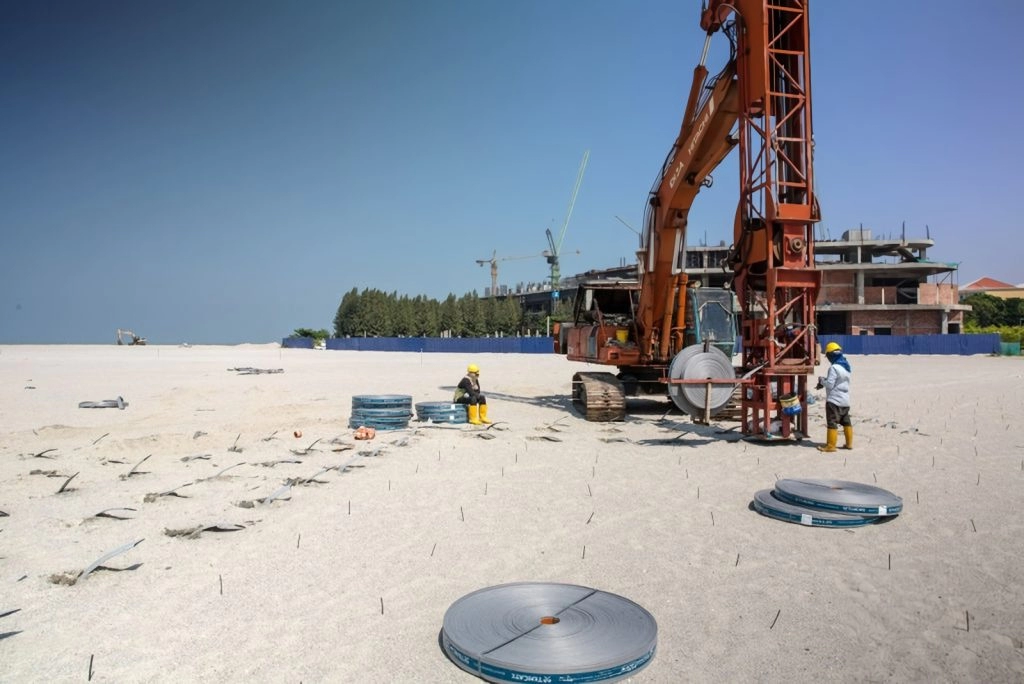
When it comes to ground improvement, there’s no one-size-fits-all. Here’s a quick breakdown of the main methods and how they work:
Mechanical Densification Techniques
- Dynamic Compaction: Heavy weights are dropped from height to compact loose soils. It\’s quick and works well for large, open sites.
- Vibro Compaction: Deep vibrators shake the soil, making it denser. This is great for sandy areas and helps boost load capacity.
Reinforcement and Replacement Methods
- Stone Columns: Crushed stone is inserted into the ground in columns. These help reinforce soft soils and drain water, making them stronger and more stable.
- Aggregate Piers: Similar to stone columns, but often used for supporting buildings and reducing settlement in clay or silt.
- Prefabricated Vertical Drains: Also called wick drains, these help speed up soil consolidation by giving water a path to escape. They’re common in large infrastructure projects.
Chemical and Admixture Stabilization
- Grouting: Injecting cement or chemicals into the ground to fill gaps and bind soil particles. This method is good for fixing loose or weak soils under existing structures. Learn more about consolidation grouting here.
- Deep Soil Mixing: Special machines blend cement or lime into the soil, turning soft ground into a more solid mass. It’s reliable for deep foundations.
- Lime Stabilization: Lime is mixed into clay soils to dry them out and make them firmer. It’s a cost-effective way to improve roadbeds and building pads.
Advanced and Hybrid Approaches
- Ground Freezing: Soil is temporarily frozen with coolant pipes to create a solid barrier. This is used for tunneling or excavation in tricky spots.
- Microbial Induced Calcite Precipitation (MICP): A newer, eco-friendly method where bacteria help bind soil particles by producing calcite. It’s gaining attention for its green credentials.
Each of these ground improvement techniques has its place, depending on soil type, project needs, and budget. If you want to see how these methods work in action, check out our ground improvement project portfolio.
Selecting the Right Ground Improvement Technique
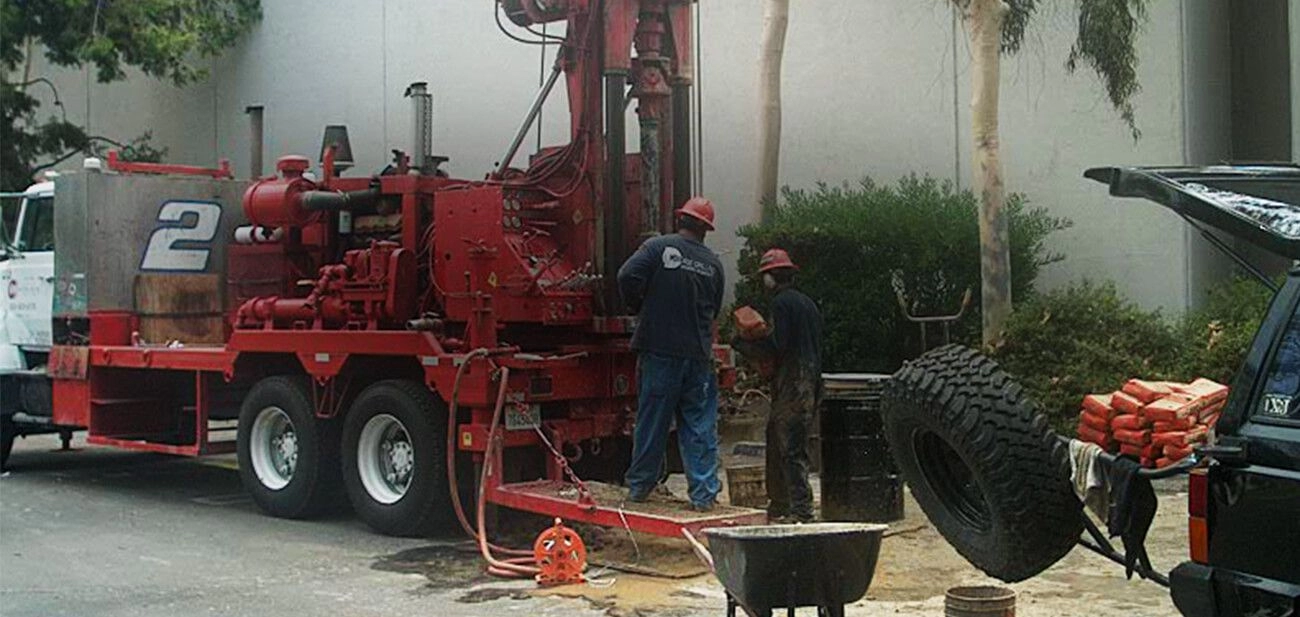
Choosing the best ground improvement technique isn’t one-size-fits-all. Every job site in the US has its own challenges, so we always start with a deep dive into the site’s details.
Soil Profiling and Geotechnical Investigations
First, we run a full geotechnical site assessment. This means drilling, sampling, and testing to figure out the soil layers, groundwater levels, and any weak spots. We look for issues like loose fill, clay pockets, or high water tables that could affect stability.
Key Variables That Influence the Choice
Several factors drive our decision on which ground improvement method to use:
- Soil type and condition: Sandy soils might benefit from vibro compaction, while soft clays may need deep soil mixing or prefabricated vertical drains.
- Groundwater: High water tables can limit some options and call for special drainage or dewatering solutions.
- Seismic risks: If the site is in an earthquake-prone area, we focus on methods that help with seismic liquefaction mitigation.
- Project timeline: Some methods, like dynamic compaction, are faster, while others, like lime stabilization, may take more time to reach full strength.
- Budget: We balance cost efficiency with performance—sometimes a hybrid approach gives the best value.
From Assessment to Implementation
We work closely with owners, engineers, and contractors from the start:
- Assessment: We gather all site data and run soil stabilization method tests.
- Design: We recommend the most effective, cost-efficient solution—be it aggregate piers, jet grouting, or a combination.
- Build: Our team handles installation, monitoring, and quality checks from start to finish.
This design-build process keeps surprises to a minimum and helps deliver projects on time and within budget. Whether it’s deep soil mixing for a commercial foundation or prefabricated vertical drains for highway embankments, we tailor every ground improvement plan to fit the site and customer needs.
Advantages Challenges and Best Practices for Implementation
Key Advantages of Ground Improvement Techniques
- Better Stability: Ground improvement methods like deep soil mixing and vibro compaction make weak soils stronger, helping your project stand up to heavy loads and tough weather.
- Minimal Downtime: Most soil stabilization methods can be done fast, which means less waiting and fewer delays for your construction schedule.
- Environmental Gains: Many techniques, like lime soil stabilization and bio grouting, use eco-friendly materials and cut down on waste. This helps meet green building standards and reduces the project’s carbon footprint.
Common Challenges
- Site Limitations: Not every site is the same. Tight spaces, nearby structures, or high groundwater can affect which ground improvement method works best.
- Monitoring Needs: Some methods, like jet grouting or dynamic compaction, need close monitoring to make sure the results meet safety and quality standards.
Best Practices for Ground Improvement Projects
- Phased Testing: Test soil stabilization methods in phases before going all-in. This helps catch problems early and keeps your project on track.
- Contractor Expertise: Choose a ground improvement contractor with solid experience in soil profiling, vibro compaction, and deep soil mixing applications. Local know-how matters.
- Verification and BIM Integration: Use modern tools like Building Information Modeling (BIM) for planning and tracking. Always verify results with geotechnical site assessments.
- Sustainability: Go for green standards when you can. Bio grouting and other low-impact soil stabilization methods help meet US environmental regulations.
Ground improvement is more than just making soil stronger—it’s about building smarter, safer, and greener for today’s needs.
Real World Applications and Sunzo Expertise
Ground improvement techniques are used across the US in all kinds of projects—big infrastructure, commercial builds, residential neighborhoods, and even seismic retrofits. Here’s where we see these methods making a real impact:
- Infrastructure: Highways, railways, airports, and ports all need stable ground. Ground improvement ensures these structures last longer and perform better, even in tough soil.
- Commercial and Residential: For office buildings, warehouses, and homes, ground improvement helps cut costs and keeps projects on schedule by reducing the need for deep foundations.
- Seismic Retrofits: In earthquake-prone areas, techniques like vibro compaction and deep soil mixing help reduce seismic liquefaction risks, protecting both people and property.
Sunzo Solutions and Proprietary Tools
At Sunzo, we bring more than just standard ground improvement. Our proprietary hybrid vibro grout systems combine the best parts of vibro compaction and grouting to target soft soils and tough sites. This means more options for soil stabilization, better outcomes, and faster project delivery.
We also use advanced monitoring and real-time data tools to keep clients in the loop and make sure every phase meets quality standards. Our team’s experience covers everything from aggregate piers installation to deep soil mixing applications, so we can match the right solution to your site.
Success Metrics and On-Time Delivery
Our track record speaks for itself. We focus on:
- On-time project delivery
- High quality and safety standards
- Cost-effective solutions
- Strong client communication
If you want to see more about our ground improvement projects or learn about our company expertise, check out our site. We’re here to help US clients build safer, stronger, and more sustainable foundations—no matter the challenge.
 English (United States)
  Vietnamese
  Malay
Malay  French
  Spanish
  Indonesian
  Russian
  Arabic
  Thai
Thai  English (South Africa)
  Panjabi
  Portuguese
  Afrikaans
  Amharic