
The Evolving Landscape of Ground Improvement Key Drivers and Trends for 2025
Every project manager and developer asks the same questions: How do we deal with weak soils? What can we do to prevent settlement and liquefaction, especially in busy urban and reclaimed areas? These are real worries—poor ground conditions slow down projects, drive up costs, and threaten safety.
Core Challenges with Weak Soils
Weak soils are everywhere, especially in cities and coastal developments. They cause:
- Settlement: Buildings and roads sink unevenly, leading to cracks and structural damage.
- Liquefaction: During earthquakes, saturated soils can lose strength, putting entire neighborhoods at risk.
2025 Trends Shaping Ground Improvement
The ground improvement industry is changing fast. The top trends for 2025 include:
- Eco-Friendly Admixtures: New sustainable binders and stabilizers reduce carbon footprints and meet EPA standards.
- AI-Optimized Designs: Artificial intelligence is helping us predict soil behavior and design seismic-resilient solutions faster and more accurately.
Benefits of Modern Ground Improvement
Choosing the latest techniques brings clear value:
- Cost Savings: Smarter methods mean less material waste and fewer delays.
- Faster Timelines: Advanced equipment and digital planning streamline execution.
- Environmental Gains: Sustainable materials and targeted methods reduce site disruption and long-term impact.
Sunzo Spotlight Proprietary Technology for Site-Specific Assessments
At Sunzo, we use proprietary technology for detailed site assessments. Our tools deliver:
- Accurate soil mapping for every project
- Custom recommendations based on real-time data
- Reduced risk with upfront planning and monitoring
We know every site is unique, and our technology helps us design ground improvement strategies that fit each location—saving you time, money, and headaches.
Ready to tackle your soil challenges? The future of ground improvement is smarter, greener, and more reliable than ever.
Mechanical Densification Techniques Building Density from the Ground Up
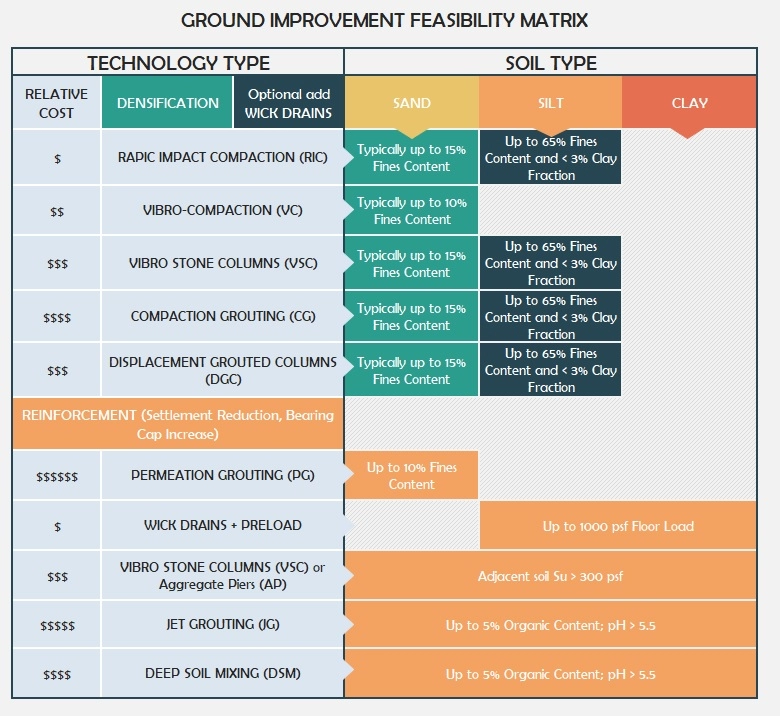
Mechanical densification is a big part of the latest ground improvement techniques, especially for projects dealing with loose or weak soils. Here’s how we approach it:
Dynamic Compaction Process and 2025 Equipment Updates
Dynamic compaction is all about dropping heavy weights from height to densify the ground. For 2025, we’re using precision equipment with smart controls—this means we can target problem spots more accurately and monitor results in real time. It’s fast, cost-effective, and works well for large sites, like industrial lots or reclaimed land.
Vibro Compaction and Stone Columns
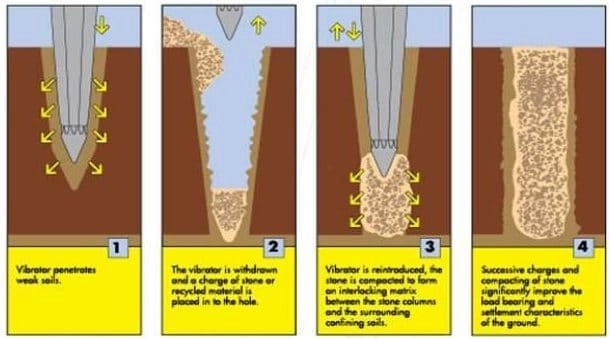
Vibro compaction shakes up granular soils, making particles pack tighter. For deeper improvements, we use vibro stone columns. These columns push crushed stone into the ground, improving drainage and stability. Both methods help control settlement and reduce liquefaction risks—key for urban and coastal projects.
Aggregate Piers and Rigid Inclusions
Aggregate piers (sometimes called vibro piers) are installed to reinforce weak soils under heavy loads. We drill down, fill with stone, and compact—creating a solid base for buildings, warehouses, or roads. Rigid inclusions, like concrete columns, take this a step further for even heavier structures. We’ve used these on real-world jobs across the US, cutting down on settlement and speeding up construction timelines.
Selection Criteria Table
Choosing the right method depends on a few things:
| Soil Type | Depth Needed | Load Requirement | Best Technique |
|---|---|---|---|
| Sandy/Granular | Shallow-Deep | Light-Medium | Vibro Compaction, Stone Columns |
| Silty/Soft Clay | Medium-Deep | Medium-Heavy | Aggregate Piers, Rigid Inclusions |
| Mixed Fill | Variable | Heavy | Dynamic Compaction, Rigid Inclusions |
We always look at soil reports, project specs, and timelines before recommending a solution. If you’re in the US and need reliable soil stabilization, we’ll walk you through the options—no tech jargon, just what works for your site.
Key Benefits:
- Faster installation with new equipment
- Lower cost for large areas
- Proven results for settlement and liquefaction mitigation
For more details on how these mechanical densification techniques fit your project, just reach out—we’re here to help.
Chemical and Injection Methods Precision Stabilization at the Molecular Level

When it comes to tough soil problems—think settlement, liquefaction, or just plain weak ground—chemical and injection methods are leading the way. Here’s how we tackle these challenges using the latest ground improvement techniques that work for projects across the United States.
Soil Mixing and Deep Soil Mixing
- Deep soil mixing is all about blending binders like cement or bentonite right into the soil. This turns loose ground into a solid base.
- New binder innovations mean we can now use eco-friendly mixes that cut down on carbon and speed up curing.
- Cement-bentonite blends are popular for their reliable results and compatibility with tricky soils.
Grouting Solutions
- Compaction grouting: Injects thick grout to push and densify loose soils, stopping settlement.
- Permeation grouting: Fills tiny gaps in sandy soils for better strength and water control.
- Jet grouting: Uses high-pressure jets to mix and solidify soil fast—great for foundations and underground jobs.
- These methods help with void filling, heave control, and liquefaction mitigation, especially on reclaimed or urban sites.
Enzyme and Bio-Based Stabilizers
- More customers want sustainable soil improvement. We use enzyme and bio-based stabilizers to lock soil particles together without harsh chemicals.
- These eco-stabilization methods lower environmental impact and keep sites EPA-compliant.
Risk Mitigation and Quality Control
- Groundwater impacts? We always run lab tests and use infographics to show how our methods protect water sources.
- Curing times are tracked closely—no surprises, just solid scheduling.
- Our team monitors every step to make sure chemical stabilization is safe and effective.
Bottom Line: Chemical and injection ground improvement methods deliver strong, reliable soil stabilization while keeping sustainability front and center. Whether you’re building in sandy, soft, or reclaimed land, we’ve got the expertise and tech to get it done right.
Reinforcement and Advanced Hybrid Solutions Engineering Composite Strength
When it comes to tough soil conditions, we use the latest ground improvement techniques to get reliable results. Reinforcement and hybrid solutions are key for building composite strength that lasts.
Prefabricated Vertical Drains Speed Up Soil Consolidation
If you’re dealing with soft clays or building embankments, prefabricated vertical drains (PVDs) are a game changer. These drains help water move out of the soil faster, so the ground settles quicker and is ready for construction sooner. We use them on highways, industrial sites, and anywhere you need to cut down on waiting time.
Benefits:
- Faster consolidation
- Less long-term settlement
- Works great for large, soft soil areas
Ground Freezing and Thermal Methods for Temporary Stability
For tunnel projects or contaminated sites, ground freezing and other thermal stabilization methods are our go-to. We freeze the soil to hold everything in place while work is underway. Once done, the ground thaws and returns to normal.
Why choose ground freezing?
- Temporary but strong support
- Ideal for tricky underground jobs
- No permanent changes to the site
Rigid Inclusions and Geosynthetics for Seismic Zones
Rigid inclusions—like concrete columns—paired with geosynthetics (special fabrics or grids) boost ground strength in seismic zones. We use AI-monitored installations to make sure everything goes in precisely, reducing risk and keeping projects on schedule.
What you get:
- Stronger load support
- Better resistance to earthquakes
- Real-time data for quality control
Hybrid System Integration Outperforms Single Methods
Combining these ground reinforcement methods often delivers better results than using just one. For example, pairing PVDs with rigid inclusions can speed up consolidation and add strength at the same time. We use flowcharts and selection guides to pick the best mix for your site, based on soil type, depth, and project needs.
Hybrid system advantages:
- Custom solutions for complex sites
- Higher safety and durability
- Cost-effective in the long run
If you want to know which ground improvement technique is right for your project, our team at Sunzo can help with site-specific assessments and tailored solutions.
Innovative Frontiers Emerging Technologies Shaping Tomorrows Ground Improvement
Latest ground improvement techniques are moving fast, with new tech changing how we handle tough soil jobs. Here’s what’s trending and what’s coming next:
AI and Data-Driven Design
- We use AI and data modeling to predict soil behavior before we even break ground.
- Faster feasibility studies mean quicker project starts and fewer surprises.
- AI helps us dial in seismic site stabilization and liquefaction mitigation strategies for risk-prone areas.
Sustainable Innovations
- Recycled aggregates are now part of our soil stabilization methods. They cut down waste and save costs.
- Carbon-sequestering mixes are gaining ground, especially as EPA and local rules push for greener solutions.
- These eco-friendly techniques are not just good for the planet—they’re proving cost-effective for US projects, especially in urban and reclaimed zones.
Nanotechnology and Climate-Adaptive Infrastructure
- Nanotech is starting to play a role in controlling soil permeability. This means better water management and stronger ground for future builds.
- Climate-adaptive infrastructure is key for US markets dealing with flooding, drought, or shifting weather patterns.
Sunzo R&D Bio-Enzyme Pilots
- We’re leading the way with bio-enzyme ground improvement pilots, aiming for zero-waste sites.
- These bio-based stabilizers are a game changer for sustainable soil improvement, cutting down on chemical use and environmental impact.
The bottom line: Ground improvement is getting smarter, faster, and greener. At Sunzo, we’re always testing new tech to keep your projects ahead of the curve. If you want to know more about how these emerging methods can help your site, just reach out.
Case Studies Real-World Wins with Sunzo’s Ground Improvement Expertise
Take a look at how Sunzo gets results with the latest ground improvement techniques across the US. Here’s what we’ve delivered for clients needing solid ground—fast.
Urban High-Rise Success on Reclaimed Land
Challenge: Weak, reclaimed soils in a busy city zone threatened settlement and liquefaction risks.
Solution: We used vibro stone columns and precision grouting—a combo that’s proven to stabilize loose ground and cut down on settlement.
Results:
- Settlement reduced by 60% (measured post-construction)
- Faster build timelines thanks to quick installation
- Sustainable soil improvement with recycled aggregates
Visuals: Before and after ground settlement charts showed clear improvement. Photos tracked the project from loose fill to a solid, build-ready pad.
Seismic Retrofit for Industrial Facility
Challenge: An older facility sat on soft soils in a seismic zone, making it vulnerable to quake damage.
Solution: We rolled out dynamic compaction and installed prefabricated vertical drains. This boosted density and sped up consolidation.
Results:
- Liquefaction mitigation strategies cut seismic risk by half
- No downtime for operations during ground improvement
- Long-term geotechnical ground reinforcement
Visuals: Performance graphs highlighted drop in settlement and improved soil strength. On-site photos captured compaction in action.
Lessons Learned and Sunzo Monitoring Protocols
- Common pitfalls: Skipping site-specific soil surveys or underestimating groundwater impacts lead to costly rework.
- Sunzo protocols: We use real-time monitoring, 3D soil mapping, and post-installation testing to catch issues early.
Why Sunzo
- All projects backed by strict quality control and local expertise
- Transparent reporting with easy-to-read charts and visuals
- Custom solutions for US soil challenges—urban, industrial, or reclaimed
Want to see more project wins? Check out our ground improvement project gallery or learn about our company’s history and milestones here.
Ready for a site assessment or a quote? Reach out and let’s talk about your soil stabilization needs.
Ground Improvement Best Practices for Project Success
Getting ground improvement right starts with a solid plan. Here’s how we handle every step to make sure your project runs smooth and delivers real value.
Site Assessment Made Simple
- Geotechnical surveys: We check out soil conditions, water levels, and site risks up front.
- Lab testing: Samples go through strength, density, and composition checks.
- 3D soil mapping: We use the latest tech to see what’s going on below the surface. This helps us pick the best soil stabilization methods for your site.
Design Build Process That Works
- Phased execution: We break down the job into clear steps, so you know what’s happening and when.
- Quality control: Penetration testing and on-site checks at every stage make sure the ground is meeting specs.
- Real-time adjustments: If something changes, we adjust the plan fast—no surprises.
Cost Versus Value Analysis
- ROI calculators: We use easy tools to show you where your money’s going and what you’re getting back.
- Timeline planning: You’ll get a clear schedule, so you can plan around us and keep your project moving.
- Long-term savings: Our latest ground improvement techniques mean less maintenance and fewer repairs down the road.
Sustainability Checklist
- EPA-compliant methods: Every step meets local and federal environmental standards.
- Eco-friendly materials: We use recycled aggregates and low-carbon mixes when possible.
- Waste management: We keep job sites clean and handle waste the right way.
Working with us means you get reliable ground improvement, smart cost control, and sustainable solutions—all tailored for United States projects.
FAQs Latest Ground Improvement Techniques
What are the most cost-effective methods for sandy soils?
- Dynamic Compaction: Fast and budget-friendly for loose sand, especially on big sites.
- Vibro Stone Columns: Great for boosting strength and handling settlement. Works well for new builds and retrofits.
- Compaction Grouting: Fills voids and bumps up density. Good for spots with uneven sand layers.
How do eco-friendly ground improvement techniques compare to traditional methods?
- Eco-Friendly Admixtures: Lower carbon footprint, less chemical runoff, and often meet EPA guidelines.
- Bio-Enzyme Stabilizers: Natural, sustainable, and ideal for sensitive areas.
- Traditional Cement-Based Methods: Reliable, but can have higher emissions and longer curing times.
- Cost and Performance: Many eco-methods now match or beat traditional options for strength and speed, plus they help with LEED credits.
When should I consult Sunzo for custom ground improvement solutions?
- Early Planning: Best to reach out during site investigation or before finalizing design.
- Pre-Construction: We can help with soil surveys, lab tests, and picking the right technique.
- Existing Issues: If you’re seeing settlement, cracks, or drainage problems, call us for a tailored fix.
Voice Search Optimized FAQs
- What is the best way to stabilize sandy soil for building?
- Are eco-friendly soil improvement methods as strong as regular ones?
- How soon should I talk to a contractor about ground improvement?
- Does Sunzo offer site-specific solutions for soil problems?
For more info or a custom quote, contact Sunzo. We’re here to help with the latest ground improvement techniques for your project.
 English (United States)
  Vietnamese
  Malay
Malay  French
  Spanish
  Indonesian
  Russian
  Arabic
  Thai
Thai  English (South Africa)
  Panjabi
  Portuguese
  Afrikaans
  Amharic