
Fundamentals of Ground Improvement Techniques
Ground improvement is all about making weak or problematic soils stronger and safer for construction. As a ground improvement contractor, we know that every site is unique, so we use a range of proven soil stabilization techniques to deliver reliable results.
Core Ground Improvement Methods
We focus on several main approaches, each suited for different challenges:
- Physical Methods
- Stone Column Installation: Improves bearing capacity and drains soft soils. Great for embankments and industrial sites.
- Dynamic Compaction: Densifies loose soils, especially for liquefaction mitigation.
- Prefabricated Vertical Drains (PVDs): Speeds up consolidation in clayey soils.
- Chemical Methods
- Jet Grouting: Stabilizes soft soils by injecting cement grout. Ideal for urban redevelopment and deep foundations.
- Soil Mixing: Blends binders with existing soils for improved strength and reduced permeability.
- Reinforcement Techniques
- Geosynthetic Reinforcement: Uses geogrids and fabrics to strengthen embankments, roadways, and reclaimed land.
- Consolidation Based Methods
- Embankment Consolidation: Reduces post-construction settlement for highways and coastal defenses.
Site Assessment Essentials
Before we recommend any solution, we perform thorough site assessments:
- Soil Profiling: We map out soil layers to pinpoint weak zones.
- Geotechnical Testing: Lab tests and field investigations reveal soil properties and risks.
- Risk Factors: We watch for soil heterogeneity, groundwater issues, and potential for long-term creep.
Emerging Trends in Ground Improvement
The industry is evolving, and we stay ahead by integrating:
- Numerical Modeling: Predicts ground behavior and settlement with advanced software, improving design accuracy.
- Sustainable Materials: We use recycled aggregates and eco-friendly binders wherever possible, meeting US sustainability goals.
Ready to tackle your ground challenges? Reach out to Sunzo for a site-specific solution and see the difference expert ground improvement can make.
Ground Improvement Case Histories Real World Applications and Outcomes
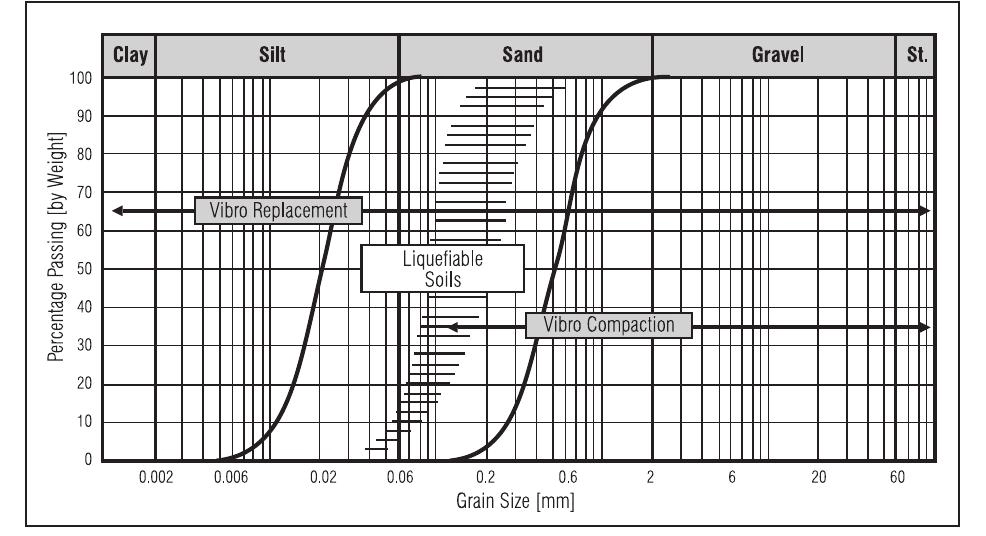
Embankment Stabilization on Soft Clays Highway Expansion Southeast Asia
We handled a highway expansion project in Southeast Asia, where soft clay was a big challenge. Using prefabricated vertical drains and embankment consolidation methods, we sped up settlement and cut down on delays. Stone column installation also helped stabilize the ground, making the highway safe for heavy traffic.
Liquefaction Mitigation for Industrial Site LNG Plant Foundation Australia
At an LNG plant site in Australia, liquefaction risk was a major concern. Dynamic compaction and jet grouting in soft soils were the go-to solutions. These soil stabilization techniques gave the foundation the strength it needed, keeping operations safe and reliable during seismic events.
Urban Redevelopment on Reclaimed Land High Rise Foundations Europe
In Europe, we worked on high-rise foundations over reclaimed land. Geosynthetic reinforcement projects and deep soil mixing improved bearing capacity and settlement control. This approach made urban redevelopment possible, even on challenging sites.
Roadway Improvement Over Mine Tailings US Infrastructure Upgrade
Closer to home, we upgraded a US roadway built over old mine tailings. Grouting and stone column installation delivered solid support, reducing post construction settlement. This kept the road safe and extended its service life—key for US infrastructure.
Coastal Embankment Reinforcement Flood Defense Coastal China
For a flood defense project in coastal China, we used embankment consolidation methods and geosynthetics. These sustainable ground improvement solutions protected communities from flooding and supported long-term stability.
Cross Case Analysis Comparing Ground Improvement Techniques
Here’s a quick look at how different techniques stack up:
| Method | Soil Type | Cost Efficiency | Settlement Reduction |
|---|---|---|---|
| Stone Columns | Soft clay, tailings | High | Moderate |
| Prefabricated Vertical Drains | Soft clay | Medium | High |
| Jet Grouting | Loose, soft soils | Low | High |
| Dynamic Compaction | Sandy, loose soils | Medium | Moderate |
| Geosynthetic Reinforcement | Reclaimed, fill | High | Moderate |
| Deep Soil Mixing | Organic, fill | Low | High |
Key Takeaways:
- Use soil profiling and geotechnical testing to pick the right method.
- Match cost efficiency with project needs.
- Settlement reduction is crucial for long-term performance.
Every site is different, but these ground improvement case histories show how the right technique delivers real results for US customers.
Key Lessons and Best Practices from Ground Improvement Case Histories
Looking at ground improvement case histories, a few lessons stand out. Here’s what we see when we break down what works, what doesn’t, and where things are headed.
What We’ve Learned
-
Observational monitoring pays off
Keeping a close eye on soil behavior during and after construction helps catch problems early. Real-time data from sensors can flag settlement, movement, or water changes before they become big issues.
-
Modeling boosts prediction accuracy
Using numerical modeling in geotechnical engineering helps us estimate how soil will react. It’s not perfect, but it cuts down on surprises and helps us plan better.
-
Balancing cost and sustainability
The cheapest fix isn’t always the best long-term solution. Sustainable ground improvement solutions—like recycled materials or low-impact methods—can save money on maintenance and cut environmental impact.
Common Pitfalls We See
-
Soil heterogeneity
No two sites are the same. Unexpected changes in soil type or strength can mess with project timelines and budgets. Detailed soil profiling and geotechnical testing are key.
-
Long term creep
Some soils keep settling over years, especially with embankment consolidation methods. If you don’t plan for this, you end up with uneven roads or cracked foundations.
Best Practices That Work
-
Phased implementation
Breaking projects into stages lets us adapt if we hit unknowns. It’s easier to tweak stone column installation or prefabricated vertical drains applications as we go.
-
Stakeholder collaboration
Keeping clients, engineers, and local agencies in the loop makes sure everyone’s on the same page about risks, timelines, and costs.
-
Post project audits
After construction, checking back in with post construction settlement analysis helps us learn and improve for next time.
The Future of Ground Improvement
- AI and predictive analytics
Artificial intelligence is changing how we predict settlement and soil behavior. With better data crunching, we can spot risks earlier and design smarter solutions.
Bottom line:
If you’re looking for reliable ground improvement in the US, these lessons and best practices are what set our projects apart. We use proven soil stabilization techniques, keep the process transparent, and always look for ways to deliver better results—now and down the road.
 English (United States)
  Vietnamese
  Malay
Malay  French
  Spanish
  Indonesian
  Russian
  Arabic
  Thai
Thai  English (South Africa)
  Panjabi
  Portuguese
  Afrikaans
  Amharic