
Understanding Poor Ground Conditions Common Soil Challenges Real World Impacts Why Ignore It
In construction, the quality of the soil beneath a site can make or break a project. Poor ground conditions are more common than you might think, and they pose serious challenges. Soils like clay, silt, loose sand, or organic-rich deposits often lack the strength or stability needed to support heavy structures. These common soil challenges lead to issues such as uneven foundation settlement, excessive deformation, and even structural failure.
Ignoring these problems isn’t an option. When poor ground conditions go unaddressed, projects face costly delays, increased maintenance, or worst-case scenarios like building collapse. For instance, foundation settlement prevention becomes difficult without proper soil stabilization techniques. Liquefaction during seismic events can turn solid ground to liquid, undermining structural integrity and risking safety.
Real-world impacts show up as cracked walls, misaligned doors, and uneven floors—signs that the ground beneath isn’t doing its job. Ignoring these warning signs can escalate repair costs and reduce a building’s lifespan. The question is, can your project afford to overlook the ground it stands on?
Understanding these risks up front is critical. It’s the first step toward effective geotechnical soil improvement and securing a stable, lasting foundation for your investment.
Core Reasons Why Ground Improvement is Needed in Construction
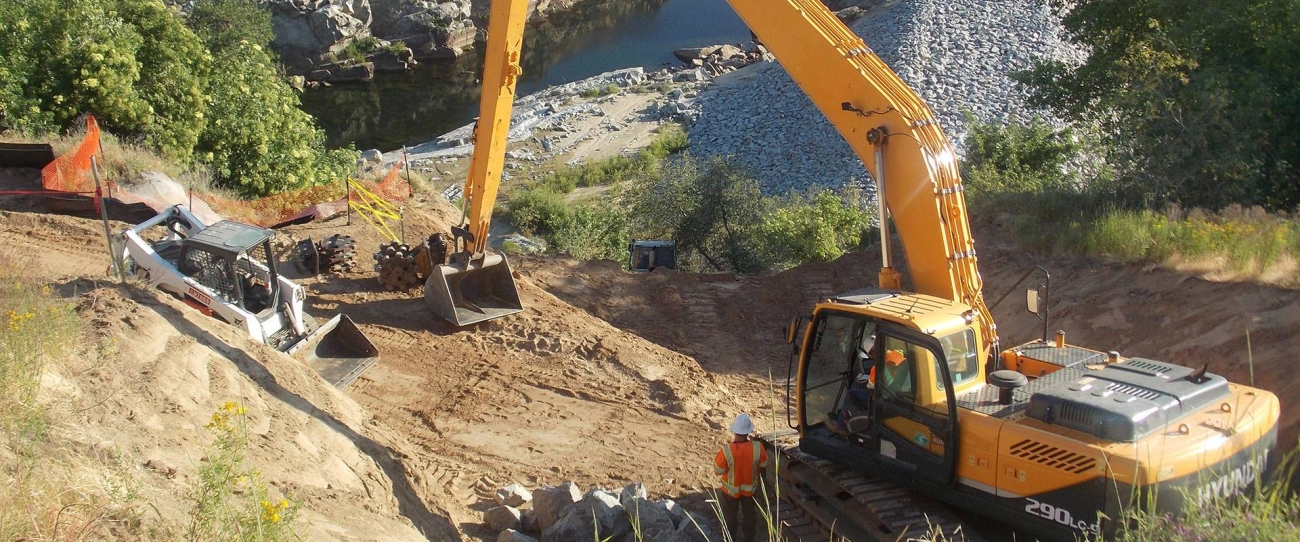
Ground improvement plays a crucial role in making construction projects safe and successful. Here’s why it’s so important:
Enhancing Load Bearing Capacity
Many soils lack the strength to support heavy structures. Ground improvement techniques boost this capacity, ensuring foundations can safely carry the building’s weight without shifting or sinking.
Controlling Settlement and Deformation
Uneven or excessive settlement can cause cracks and structural damage. By stabilizing the soil, we control how much ground compresses under load, preventing future costly repairs and keeping buildings level over time.
Mitigating Liquefaction and Seismic Risks
In areas prone to earthquakes, soft or saturated soils can lose strength and behave like a liquid—a process called liquefaction. Ground improvement helps reduce this risk, making buildings safer during seismic events.
Managing Water Flow and Permeability
Water movement in soil affects stability and durability. Proper ground treatment controls permeability to avoid issues like erosion, waterlogging, and weakening of the foundation base.
Ensuring Slope and Excavation Stability
Excavation and slope failures can halt projects and cause hazards. Techniques like soil stabilization and reinforcement maintain slope integrity, allowing safe digging and earthworks.
These core reasons highlight why investing in ground improvement is vital in the construction process to ensure longevity, safety, and efficiency. For more detailed insights on soil stabilization techniques and their applications, you can explore resources on ground improvement projects and the latest in geotechnical soil improvement.
Ground Improvement Techniques
When it comes to improving soil for construction, there are several effective methods used to make the ground stronger and more stable. Here’s a quick look at the common approaches:
Mechanical Methods
- Vibro compaction: Uses vibrating probes to rearrange loose sandy soils, increasing density and bearing capacity.
- Preloading consolidation: Involves placing extra weight on the ground to squeeze out water and compress soft soils before building.
- Aggregate pier installation: Inserts columns of compacted aggregate to support heavy loads and reduce settlement.
Hydraulic Chemical Methods
- Injection of grouts or chemicals like cement or lime into the soil helps bind particles together, improving strength and reducing permeability. This is a key soil stabilization technique, especially where soft soil layers exist.
Reinforcement Techniques
- Adding geosynthetics like geotextiles and geogrids reinforces soil structure, controls settlement, and enhances slope stability engineering. These materials distribute loads evenly and prevent soil movement.
Emerging Innovations
- New eco-friendly ground modification methods focus on sustainability and long-term durability. Examples include using recycled materials and bio-based binders that reduce environmental impact without sacrificing performance.
These ground improvement techniques help address different challenges faced on construction sites across the United States, ensuring safer, stronger foundations while adapting to local soil conditions and environmental concerns.
The Broader Benefits of Ground Improvement
Ground improvement isn\’t just about fixing soil problems—it brings solid advantages that save time and money, protect the environment, and boost the long-term safety of your construction project. Here’s how:
Cost and Time Savings
- Reducing foundation settlement lowers repair costs down the road.
- Faster construction happens when the ground is stable and ready to support heavy loads.
- Preventing issues early avoids expensive delays caused by soil-related failures.
Environmental and Sustainability Gains
- Using sustainable ground modification techniques cuts down on material waste.
- Methods like soil stabilization minimize the need for importing or exporting soil, reducing the carbon footprint.
- Improved drainage and water flow management protect local ecosystems from erosion and contamination.
Long Term Durability and Safety
- Enhancing bearing capacity and controlling settlement means your structure stays solid over time.
- Mitigating risks like liquefaction and slope failures keeps buildings safer during natural events.
- Proper ground improvement supports safer excavation and slope stability, protecting both workers and future occupants.
By investing in ground improvement, you’re making your project stronger, more efficient, and more environmentally responsible—an all-around win for construction in the US market.
 English (South Africa)
  English (United States)
  Vietnamese
  Malay
Malay  French
  Spanish
  Indonesian
  Russian
  Arabic
  Thai
Thai  Panjabi
  Portuguese
  Afrikaans
  Amharic