
If you’re involved in civil engineering or geotechnical projects, you’ve likely encountered the Proceedings of the Institution of Civil Engineers – Ground Improvement. This resource is a goldmine for cutting-edge techniques, practical case studies, and sustainable solutions shaping the future of ground engineering. Whether you’re looking to enhance soil stability, explore innovative materials, or stay ahead of industry trends, the insights packed into these peer-reviewed papers can transform your approach. Let’s unlock how these ground improvement proceedings can drive smarter, greener foundations for your next project.
Core Ground Improvement Techniques Spotlighted in Recent Proceedings
Recent proceedings of the Institution of Civil Engineers highlight several fundamental ground improvement techniques shaping modern geotechnical engineering. These methods address challenges from loose soil compaction to complex stabilization needs, ensuring safer, more durable foundations.
Mechanical Methods
Two key mechanical approaches stand out:
-
Vibro-compaction
This technique improves loose granular soils by densifying particles through vibration. It’s widely used under building pads, embankments, and storage tanks to reduce settlement risks.
-
Stone columns
Installing stone columns enhances drainage and reinforces weak soils. These columns transfer loads deeper and accelerate consolidation, making them ideal for soft clay or silt foundations.
Hydraulic and Chemical Stabilization
Hydraulic and chemical methods bring precision and innovation:
-
Grouting
Cement and chemical grouts fill voids to strengthen soil and reduce permeability. New permeation grouting techniques from recent papers show promise in improving weak, fractured soils without disturbing existing structures.
-
Permeation Innovations
Advances in grout materials and injection strategies allow deeper penetration and more uniform stabilization, crucial for urban projects with limited access.
Reinforcement Strategies
Reinforcement remains a cornerstone of ground improvement:
-
Geosynthetics
The use of geotextiles and geogrids provides soil reinforcement, enhances load distribution, and aids erosion control. Recent studies focus on sustainable geosynthetics with improved durability and environmental compatibility.
-
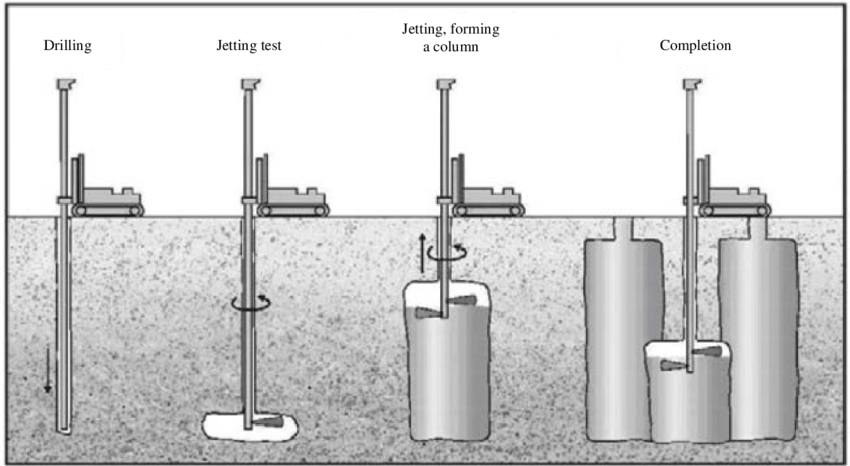
Deep Soil Mixing
Combining soil with binder agents, deep soil mixing forms strong, cemented columns in situ. Innovations reported in the proceedings point to optimized mixing patterns and binders that reduce carbon footprints while maintaining strength.
These core techniques represent a blend of proven practices and cutting-edge research. As you consider your project’s ground conditions, ask: which method aligns best with your soil type, load demands, and sustainability goals? The lessons shared in these proceedings offer valuable guidance for confident decision-making.
Case Studies from the Proceedings Lessons for High-Impact Projects
The proceedings of the institution of civil engineers ground improvement share valuable case studies that offer real-world insights for tough projects. These examples highlight proven methods and lessons learned, especially for large-scale jobs where stability and long-term performance matter.
Transport Infrastructure Wins Rail and Highway Stabilizations
Many successful projects focus on transport infrastructure. Vibro-compaction and stone columns stand out in these case studies, improving load-bearing capacity for rail lines and highways. Deep soil mixing is also commonly used to stabilize soft soils under heavy traffic. These methods help reduce settlement and increase durability, which keeps vital U.S. transportation corridors safe and functional.
Urban and Environmental Applications Waste Material Integration
Urban projects often require ground improvement in tight spaces with environmental constraints. The proceedings highlight the growing use of recycled materials, such as crushed concrete or industrial byproducts, as sustainable additives in soil stabilization. These waste material integration techniques minimize landfill use and reduce project carbon footprints—a priority in today’s building landscape.
Emerging Challenges Monitoring and Quality Control in Field Trials
New challenges come with on-site variability and stricter regulations. Several case studies emphasize using advanced monitoring tools during ground improvement work. Real-time quality control from sensors and inspections helps verify uniform soil treatment and ensures project standards. These practices are key to reducing risks and improving performance in critical ground improvement projects across the U.S.
Innovations and Future Trends Shaping Ground Improvement
Ground improvement is evolving fast, with a strong push toward sustainability and smarter technology. The latest proceedings of the institution of civil engineers ground improvement highlight how bio-engineering and low-carbon alternatives are stepping up as practical solutions to reduce environmental impact. Techniques like sustainable grouting and using natural materials help lower the carbon footprint without compromising strength or durability.
On the tech side, advances are moving beyond traditional testing. Digital twins and detailed model studies are now common, allowing engineers to simulate soil behavior and treatment effects before field application. This means better risk management and cost efficiency on projects.
Globally, these proceedings serve as benchmarks that influence policy and standards, helping set safer, greener, and more effective ground improvement practices adopted across the United States. Keeping an eye on these trends keeps your projects competitive and compliant with the latest regulations. For more on proven approaches, check our land soil improvement services.
Practical Takeaways Implementing Proceedings Insights with Sunzo Expertise
The proceedings of the institution of civil engineers ground improvement offer a wealth of peer-reviewed geotechnical papers that provide clear guidance for real-world projects. At Sunzo, we break down these insights into practical steps you can use in your next project.
Step-by-Step Guide to Selecting Ground Improvement Methods
- Assess Site Conditions: Look at soil type, water table, and project load requirements.
- Match Techniques to Goals: For example, use vibro-compaction for loose sandy soils or deep soil mixing where strength and durability matter.
- Consider Sustainability: Choose low-carbon grouting or geosynthetics with a focus on longevity and environmental impact.
- Plan Field Monitoring: Implement soil treatment monitoring early to avoid surprises during construction.
- Review Case Studies: Learn from prior transport infrastructure and urban project successes highlighted in recent proceedings.
Common Pitfalls and Mitigation Strategies
- Underestimating Soil Variability: Avoid by thorough site investigation and flexible design.
- Poor Quality Control During Installation: Use continuous field monitoring and proven techniques like stone columns or permeation grouting.
- Ignoring Environmental Impact: Integrate waste materials and bio-engineering approaches to reduce carbon footprint.
- Mismatched Techniques and Conditions: Let Sunzo’s experts tailor solutions that fit your project environment perfectly.
Call to Action Partner with Sunzo for Tailored Ground Solutions
If you’re ready to take advantage of the latest advances documented in the proceedings, Sunzo is here to help. We offer:
- Expert advice grounded in the latest peer-reviewed research.
- Customized ground improvement strategies for US-based projects.
- On-site support with monitoring and quality control.
- Commitment to sustainability and cost-effectiveness.
Partner with us to transform those proceedings insights into reliable, efficient ground solutions designed specifically for your project needs.
 English (South Africa)
  English (United States)
  Vietnamese
  Malay
Malay  French
  Spanish
  Indonesian
  Russian
  Arabic
  Thai
Thai  Panjabi
  Portuguese
  Afrikaans
  Amharic