
Why Instrumentation and Monitoring Matter in Ground Improvement
Ground improvement projects involve complex soil stabilization techniques that directly impact the safety and longevity of structures. Without proper instrumentation and monitoring, unseen risks like excessive soil settlement, lateral earth movement, or unexpected pore pressure changes can lead to costly failures or project delays.
Instrumentation tools such as piezometers, inclinometers, and settlement plates provide vital data that verifies ground conditions and construction performance in real time. This oversight helps detect problems early, reducing risks before they escalate.
Beyond risk management, effective monitoring offers clear benefits. It enables verification of design assumptions, supports informed decision-making, and optimizes construction methods for efficiency. In short, the right geotechnical instrumentation and consistent data collection transform ground improvement from guesswork into a precise, controlled process—saving time and money while ensuring project success.
Choosing reliable monitoring solutions makes all the difference in managing soil settlement monitoring, pore pressure measurement, and lateral earth movement detection across your projects.
Key Instruments for Effective Ground Monitoring

Using the right instruments is crucial to keep ground improvement projects on track. Here are the key tools we rely on to monitor soil behavior and ensure safety:
Piezometers
These devices track pore water pressure in the soil, which helps us understand drainage patterns and how quickly water is moving out of compressible soils. Pore pressure measurement is essential for verifying consolidation rates and avoiding unexpected soil instability.
Inclinometers and Tiltmeters
To catch any sideways or lateral earth movement early, we install inclinometers and tiltmeters. These instruments are great for slope stability assessment and detecting shifts that might cause future problems. Proper inclinometer installation ensures accurate readings of underground soil displacement.
Settlement Plates and Extensometers
Monitoring vertical deformation or soil settlement is key to avoiding structural damage. Settlement plates and extensometers give us direct data on how much the ground is sinking or moving vertically over time. This kind of soil settlement monitoring helps us adjust ground stabilization techniques as needed.
Advanced Sensors: Vibration Monitors and Earth Pressure Cells
For projects with significant mechanical activity or deep excavation, vibration monitors provide real-time vibration alerts, protecting nearby structures and utilities. Earth pressure cells measure changes in ground pressure to confirm the effectiveness of earthwork engineering projects.
By combining these geotechnical instrumentation tools, we gather comprehensive data that guides our decisions and keeps your project safe and on schedule. For an in-depth overview of ground improvement methods, you might also want to check out our ground improvement contractor services.
Best Practices for Implementing Monitoring Programs

When it comes to instrumentation and monitoring in ground improvement projects, doing it right from the start is key. Here’s how we make monitoring programs work smoothly and deliver the reliable data you need.
Planning and Design Tailoring to Project Needs
Every site is different. That’s why we tailor our monitoring plans to match the specific ground conditions and project goals. We focus on:
- Identifying critical risks like soil settlement or lateral earth movement
- Choosing the right geotechnical instrumentation tools—like piezometers or inclinometers—that fit the ground stabilization techniques being used
- Setting clear data requirements to support decision-making and meet regulatory standards
Installation and Data Collection Ensuring Reliability
Proper installation affects everything. Bad setup means bad data, which risks project delays or safety issues. Here’s what we prioritize:
- Installing sensors carefully to avoid damage or inaccurate readings
- Using automated data acquisition systems for consistent, frequent measurements
- Regular maintenance checks to catch and fix issues early
Real-Time Analysis and Alerts Turning Data into Action
Getting data is one thing—acting on it is what really counts. That’s why:
- We use real-time monitoring platforms to watch changes closely, like pore pressure measurement or slope stability assessment
- Alerts are set up to notify project managers instantly if something looks off, such as unexpected soil settlement or vibration
- Continuous data review helps optimize ground improvement steps, making adjustments as needed to improve safety and performance
By following these best practices, we help you stay ahead of risks, boost project efficiency, and ensure your ground improvement work stands up to set expectations in the U.S. market.
Case Studies Real World Wins with Sunzo Monitoring Solutions
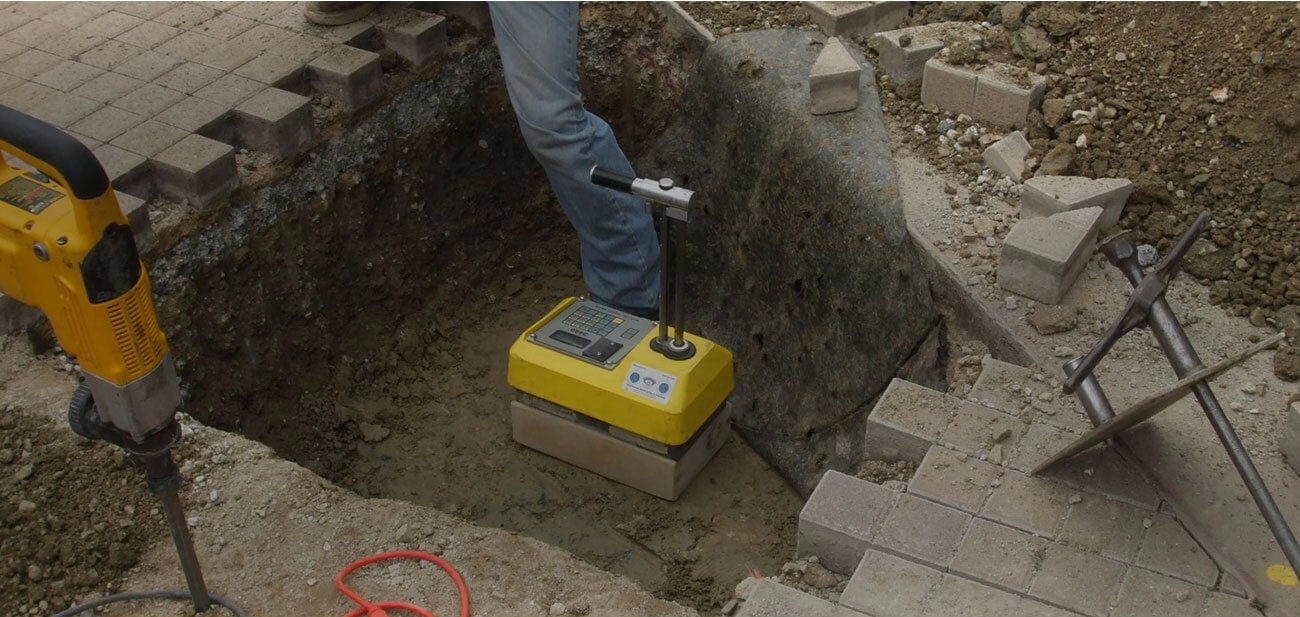
At Sunzo, we’ve seen how solid instrumentation and monitoring can make or break ground improvement projects. Two examples stand out, showing real-world results where our ground monitoring systems helped control risks and deliver success.
Urban Deep Excavation Mitigating Settlement in Soft Clays
In a downtown construction site, soft clay posed serious risks of settlement that could affect nearby buildings. Using piezometers, inclinometers, and settlement plates, we tracked pore water pressure, lateral movement, and vertical deformation in real time. Our monitoring allowed the project team to adjust dewatering and support methods promptly, minimizing ground movement and protecting structures around the excavation.
Highway Embankment on Compressible Soils Achieving 95 Percent Consolidation
For a highway embankment project on highly compressible soils, ensuring proper consolidation was critical for long-term stability. Through the use of prefabricated vertical drains paired with piezometer pore pressure monitoring and settlement measurement tools, the team achieved 95% consolidation within the expected timeframe. This result shortened the construction schedule and prevented costly post-construction settlement issues.
Both of these projects benefited from tailored instrumentation programs and reliable data analysis, showing how expert ground monitoring drives both safety and efficiency. For more on successful ground improvement, check our ground improvement project services.
Emerging Trends and Future Proofing Your Projects
Staying ahead in ground improvement means embracing new tech and sustainable practices. The latest innovations are reshaping how we monitor soil and ground behavior, making projects safer and more efficient.
Innovations Remote Sensing and IoT Integration
Remote sensing tools and IoT (Internet of Things) sensors are game changers. They let us gather real-time data on soil settlement, lateral earth movement, and pore pressure without needing constant onsite checks. Automated data acquisition systems now link these sensors to cloud platforms, so we get instant updates and alerts. This means quicker responses to issues like slope stability problems or unexpected vibrations, ultimately reducing risk and cost.
Sustainability Angle Eco Friendly Monitoring for Green Infrastructure
Green infrastructure demands eco-friendly monitoring solutions. More contractors in the U.S. are turning to low-impact, durable instruments that minimize environmental disturbance. Using solar-powered sensors and reusable equipment supports sustainable ground stabilization techniques. Plus, precise monitoring helps optimize the use of resources—like verifying prefabricated vertical drains work effectively—lowering the overall carbon footprint of your project.
Adopting these trends not only future proofs your projects but also aligns with growing local policies emphasizing sustainability and smarter construction practices.
FAQs Quick Answers on Ground Improvement Instrumentation
What is the role of instrumentation in ground improvement projects
Instrumentation helps us track how the soil and structures behave during and after ground improvement. It reduces risks by providing real data on settlement, pore pressure, and lateral movement.
Which instruments are most common for monitoring soil settlement
Settlement plates and extensometers are widely used for vertical deformation. Piezometers track pore water pressure, which affects how quickly soil settles.
How do inclinometers help in ground stabilization
Inclinometers detect lateral earth movement beneath the surface. This helps us spot slope instability or soil shifting before it becomes a problem.
Can we get real-time alerts for issues during construction
Yes. Automated data acquisition systems combined with vibration monitors and earth pressure cells let us monitor conditions live and send alerts if things stray from safe limits.
What’s the best way to plan a monitoring program
It starts with understanding your project\’s specific risks and soil conditions. From there, we select the right sensors, plan their placement carefully, and set up reliable data collection methods.
Are there eco-friendly monitoring options available
Definitely. Remote sensing and IoT tools reduce the need for heavy equipment and frequent site visits, cutting down on carbon footprint while still delivering precise data.
How accurate is pore pressure measurement with piezometers
Modern piezometers provide very reliable data on pore water pressures, essential for verifying drainage efficiency, especially with prefabricated vertical drains.
What should I do if monitoring shows unexpected ground movement
Immediate action includes analyzing the data, consulting geotechnical experts, and adjusting ground improvement techniques. Early detection helps prevent costly issues.
Is instrumentation useful for highway embankment projects on soft soils
Yes, monitoring ensures consolidation is progressing as planned and helps achieve targeted strength while avoiding settlements that threaten pavement performance.
How often should instrumentation data be reviewed
Data should be checked regularly—daily or weekly depending on project risk level. Using real-time dashboards makes this process easier and more effective.
 English (South Africa)
  English (United States)
  Vietnamese
  Malay
Malay  French
  Spanish
  Indonesian
  Russian
  Arabic
  Thai
Thai  Panjabi
  Portuguese
  Afrikaans
  Amharic