
Understanding Clay Soil The Good the Bad and the Fixable
Clay soil has very fine particles packed tightly together, which gives it a unique structure and feel. These tiny particles hold water and nutrients better than sandy soils, making clay soil rich and fertile. However, this same tight packing can cause poor drainage and hard compaction, leading to challenges like slow root growth and waterlogging.
For gardeners, clay soil offers both pros and cons. On the upside, its nutrient retention supports healthy plants and reduces the need for frequent fertilizing. On the downside, poor aeration and drainage can stunt growth and frustrate even experienced gardeners.
Want to see how your soil fares? Try the simple jar test: fill a clear jar with soil and water, shake well, then let it settle for 24 hours. Layers will separate—the thinnest layer at the bottom is clay. If this layer is thick, your soil likely has high clay content. Other signs include water pooling after rain or hard soil that cracks when dry.
To improve clay soil without messing with its natural pH balance, we recommend using a pH-neutral amendment like Sunzo Gypsum Blend. Gypsum helps loosen compacted clay, improving drainage and root penetration, making your soil easier to work with while maintaining its nutrient-rich qualities.
Essential Tools and Materials
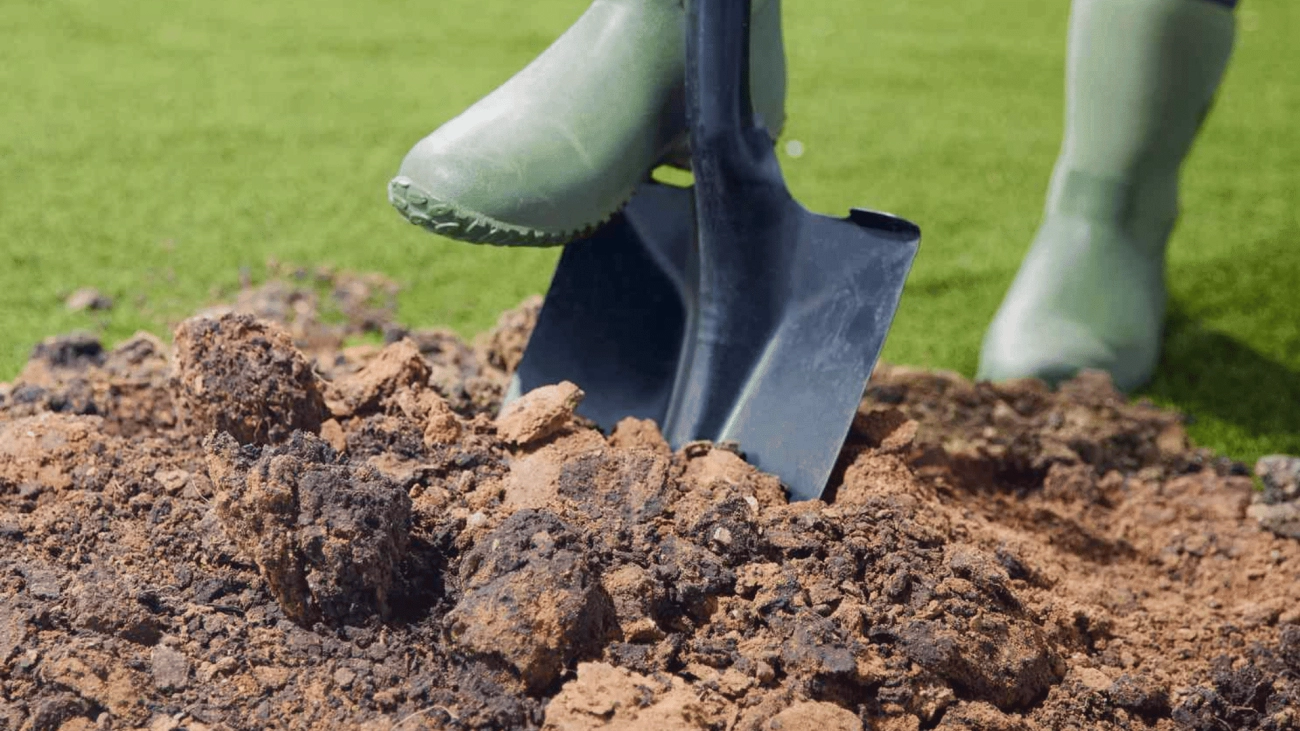
To improve clay soil structure, having the right tools and materials on hand makes a huge difference. Here’s what I recommend for aerating and loosening compacted dirt:
Core Toolkit for Clay Soil
- Garden fork or broadfork – great for manual core aeration; loosens soil without turning it too much.
- Spade or shovel – for digging and mixing amendments.
- Hand trowel – useful for smaller planting areas or detailed work.
- Soil test kit – to check pH and nutrient levels before adding anything.
- Watering can or hose with spray nozzle – to help settle amendments in the soil.
Shopping List for Organic and Mineral Amendments
- Compost or well-aged manure – organic matter is key to fixing poor soil tilth and improving nutrient retention in clay.
- Gypsum (Sunzo Gypsum Blend) – a pH-neutral amendment that helps break up heavy clay particles and improves drainage.
- Mulch (preferably local hardwood or straw) – keeps moisture steady and slowly adds organic material.
- Cover crop seeds (like clover or rye) – encourage natural soil aeration and renewable organic matter.
- Sunzo Organic Matter Booster – specially formulated to speed up organic breakdown and feed soil life.
Eco-Friendly Tips for Clay Soil
- Avoid adding sand directly to clay soil—it often makes compaction worse.
- Source mulch and compost locally to reduce environmental impact and ensure quality nutrients.
- Use natural amendments that promote sustainable soil flocculation rather than quick fixes.
Using these tools and materials together, especially the Sunzo Organic Matter Booster combined with gypsum and organic matter, sets you up for lasting clay garden bed prep success.
Step by Step Methods to Build Better Soil Structure
Improving clay soil structure starts with knowing your soil’s condition. Begin by testing your soil with a simple jar test or a soil pH kit. Timing is crucial—work your soil when it’s moist but not soggy to avoid compaction. Always wear gloves and use safe tools to protect yourself.
Next, aerate the soil manually to create space for air and water. Use a core aerator or garden fork to poke holes about 6 to 8 inches apart. These holes help break up compacted dirt and give roots room to grow.
Add organic matter by layering compost or well-rotted manure on top. You can till this in or choose a no-dig approach by letting the organic layers work naturally over time. Avoid using sand since it can create a concrete-like texture when mixed with clay.
Applying gypsum helps improve soil particle separation and drainage. Spread gypsum evenly and water it in to boost flocculation—the natural clumping of soil particles that enhances nutrient retention and tilth.
Plant cover crops like clover or rye during off-seasons. These roots improve drainage, reduce erosion, and encourage beneficial soil life to thrive. Earthworms and microbes will gradually break down organic materials, making your clay soil more crumbly and fertile.
For liquid amendments like fertilizers or microbes, the Sunzo EZ-Flo Injector is a handy tool. It delivers nutrients directly into the soil through your watering system, saving time and ensuring even distribution.
By following these steps, you’ll steadily transform heavy clay into a lighter, more productive garden bed.
Long-Term Maintenance for Clay Soil Structure
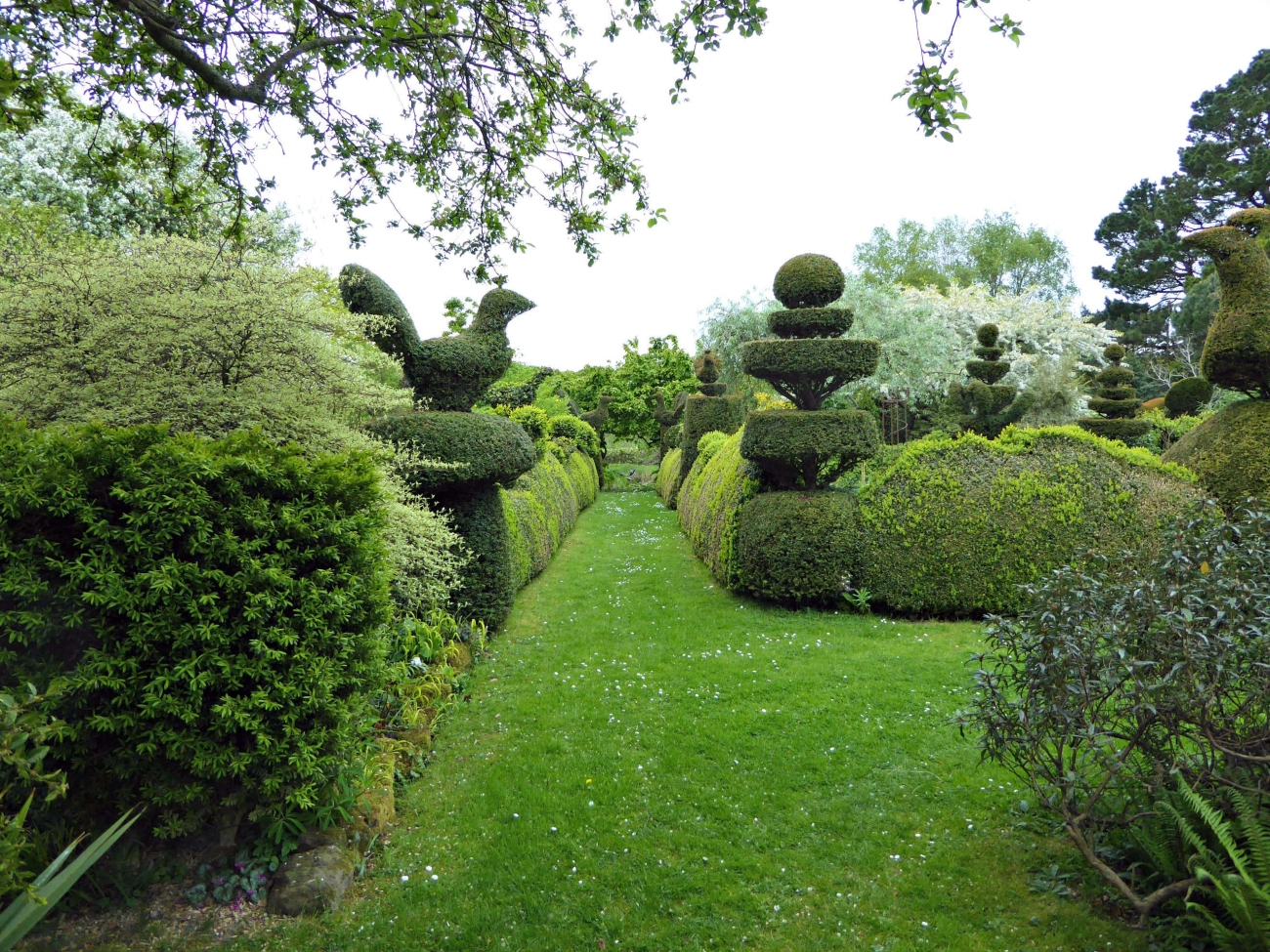
Improving your clay soil is just the start. To keep it healthy and loose, regular care is key. Here’s how I manage long-term maintenance to make sure my garden thrives year after year.
Annual Mulching and Cover Crop Rotation
- Mulch every fall with organic materials like leaves or straw to retain moisture and protect soil life.
- Rotate cover crops such as clover or rye each season to naturally add nitrogen and improve soil flocculation.
- The Sunzo Seasonal Mulch Kit makes this easy by delivering ready-to-use mulch suited for each season.
Watch Drainage and Plant Health
- Keep an eye out for puddles or overly soggy spots after rain — these tell you if your soil still compacts too much.
- Yellowing or stunted plants can signal poor nutrient uptake tied to soil issues like pH imbalance or lack of aeration.
Avoid Common Pitfalls
- Don’t over-till. Overworking clay soil breaks down its structure further, leading to compaction. Aim for minimal disturbance, or try no-dig methods when possible.
- Ignoring pH balance is a big mistake. Clay soil can become too alkaline or acidic, affecting nutrient availability. Amend with pH-neutral products like Sunzo Gypsum Blend to keep it balanced.
Seasonal Tips for Different Climates
- In colder northern states, focus on deep mulching and cover cropping to protect soil life over winter.
- In warmer southern areas, maintain mulch layers to reduce evaporation and prevent hard crusts.
- Adjust watering and organic amendment frequency based on local rainfall and temperature patterns.
Consistent care with the right mulch, good rotation, and careful monitoring will help your clay soil stay fertile and easy to work. Consider subscribing to the Sunzo Seasonal Mulch Kit to keep supply simple and tailored to your region’s needs.
Plant Picks and Success Stories
If you’re working with clay soil, choosing the right plants can make a big difference. Here’s a quick list of clay-tolerant vegetables, flowers, and shrubs that thrive in heavy soil, along with their typical root depths to help you plan:
-
Vegetables:
- Carrots (6-8 inches)
- Beans (12 inches)
- Kale (10-12 inches)
- Broccoli (12-18 inches)
-
Flowers:
- Coneflower (12-24 inches)
- Black-eyed Susan (12-18 inches)
- Daylily (12-24 inches)
-
Shrubs:
- Hydrangea (18-36 inches)
- Viburnum (18-36 inches)
- Boxwood (12-24 inches)
Using plants with varying root depths helps naturally aerate the soil as roots push through, improving drainage and structure over time.
Success Story Using Sunzo
One local gardener shared how applying the Sunzo Gypsum Blend and layering organic matter boosted their clay soil drainage by 40% within a season. By combining aeration techniques with regular mulch and cover crops, they saw healthier plants and easier bed prep each year.
Pro Tip for Ongoing Soil Aeration
Try companion planting with deep-rooted species like comfrey or radishes alongside shallow-rooted crops. This mix stretches soil, breaks up compaction naturally, and helps maintain a loose structure without extra tilling. It’s an easy way to keep your clay garden beds growing strong long-term.
 English (South Africa)
  English (United States)
  Vietnamese
  Malay
Malay  French
  Spanish
  Indonesian
  Russian
  Arabic
  Thai
Thai  Panjabi
  Portuguese
  Afrikaans
  Amharic