Current Market Landscape Size Growth and Key Metrics
The global ground improvement service market is experiencing steady growth, driven by the rising demand for resilient infrastructure development and urban soil improvement trends. Valued at over $10 billion in 2025, the market is projected to expand at a healthy CAGR of around 7% through 2030. This growth is supported by increasing investments in infrastructure ground enhancement and construction site remediation, especially across urban centers in the United States.
Key metrics highlight a surge in adoption of soil stabilization techniques such as deep soil mixing applications and vibro compaction, which are becoming essential for sustainable foundation engineering. The expanding scope of global geotechnical services reinforces the need for effective ground improvement solutions on both small-scale projects and mega infrastructure developments.
In short, the market reflects a dynamic balance between technological advancements and the rising complexity of soil and site conditions. As demand for stronger, safer foundations grows, the global ground improvement service market remains a critical pillar of modern construction.
Driving Forces and Emerging Trends Shaping the Industry

The ground improvement service market is growing fast because the demand for resilient infrastructure and sustainable foundation engineering keeps rising. In the U.S., rapid urban expansion and the need for safer, stronger construction sites are pushing soil stabilization techniques like vibro compaction and deep soil mixing into the spotlight.
Here are the main drivers shaping the industry:
- Infrastructure ground enhancement: Aging bridges, roads, and railways need upgrades, which require advanced geotechnical services to improve soil strength and stability.
- Urban soil improvement trends: Cities expanding into tricky soil areas call for innovative ground improvement to support buildings and minimize settlement risks.
- Environmental concerns: Sustainable methods such as geosynthetic reinforcement and eco-friendly soil treatment are becoming essential for site remediation and reducing environmental impact.
- Mega projects demand: Large-scale construction projects and energy developments need customized solutions, from foundations to layered soil mixing.
These trends push providers to innovate and offer diverse techniques that meet safety standards, reduce downtime, and support long-term infrastructure health. In short, the market’s momentum is fueled by both growing infrastructure needs and a shift toward smarter, greener ground improvement practices.
Regional Breakdown Opportunities Across the Globe
The global ground improvement service market is growing unevenly across regions, with distinct opportunities shaped by local infrastructure needs, soil conditions, and economic growth. In North America, especially the United States, urban soil improvement trends are driving demand as cities look to support new developments with resilient infrastructure. The focus here is on sustainable foundation engineering and advanced soil stabilization techniques to tackle complex urban sites.
In Asia-Pacific, rapid industrialization and mega construction projects are fueling demand for deep soil mixing applications and geosynthetic reinforcement. Countries like China and India lead with large-scale infrastructure ground enhancement programs, offering huge growth potential for service providers.
Europe emphasizes eco-friendly ground improvement solutions, aligning with strict environmental regulations. The region invests heavily in construction site remediation and sustainable foundation methods, opening opportunities for innovative ground improvement technologies.
Latin America and the Middle East show growing interest in infrastructure upgrade projects, especially for transportation and energy sectors, presenting emerging markets for global geotechnical services focused on soil stabilization and consolidation grouting.
For more on regional projects and ground improvement techniques, check out our detailed global projects overview that highlights key developments worldwide.
Techniques and Applications From Foundations to Mega Projects
When it comes to ground improvement, the methods used vary widely depending on the project size and soil conditions. In the U.S., techniques like soil stabilization and deep soil mixing are common for both small foundations and massive infrastructure projects. Vibro compaction is often chosen to densify loose soils, making them stronger and more stable for construction needs.
Geosynthetic reinforcement is another technique gaining traction. It’s especially helpful in urban soil improvement where space is tight but strong, resilient foundations are a must. These methods help ensure safer, longer-lasting structures—from residential buildings to highways and bridges.
Construction site remediation is also key when working on old or contaminated land. It prepares the soil to handle new loads properly, which is essential in sustainable foundation engineering and growing resilient infrastructure development efforts.
Bottom line, whether it’s a local commercial build or a huge transportation project, ground enhancement techniques are tailored for durability, safety, and efficiency to fit the unique challenges here in the U.S.
Competitive Arena Key Players and Market Dynamics
The global ground improvement service market is shaped by strong competition among key players focusing on innovation and service quality. Major companies are investing in advanced soil stabilization techniques and sustainable foundation engineering to meet growing demands for infrastructure ground enhancement in the U.S. and beyond. Leaders in this space include firms specializing in deep soil mixing applications, vibro compaction market services, and geosynthetic reinforcement solutions.
Market dynamics are influenced by companies expanding their offerings to cover urban soil improvement trends, construction site remediation, and resilient infrastructure development. These players capitalize on strategic partnerships and regional expertise to serve both small-scale projects and mega infrastructure developments. Staying ahead means constantly adapting to evolving customer needs while managing costs and efficiency.
In short, if you’re looking for reliable ground improvement services, it’s crucial to consider providers with proven track records in innovation, safety, and sustainability. This competitive landscape drives better service options, helping U.S. clients improve site conditions faster and more effectively.
Challenges and Risk Mitigation in Ground Improvement
In the ground improvement service market, several challenges can impact project success. One of the biggest hurdles is dealing with unpredictable soil conditions. Even with advanced soil stabilization techniques, unexpected issues like weak layers or groundwater variations can cause delays or increased costs. On top of that, construction site remediation can be tough when contamination or environmental regulations come into play, especially in urban soil improvement projects.
Risk management starts with thorough site investigation and testing before any work begins. Using proven methods like deep soil mixing and geosynthetic reinforcement helps reduce uncertainty and build resilient infrastructure. It’s also important to choose the right technique suited for each unique site and project scale – whether it’s a small foundation job or a large highway upgrade.
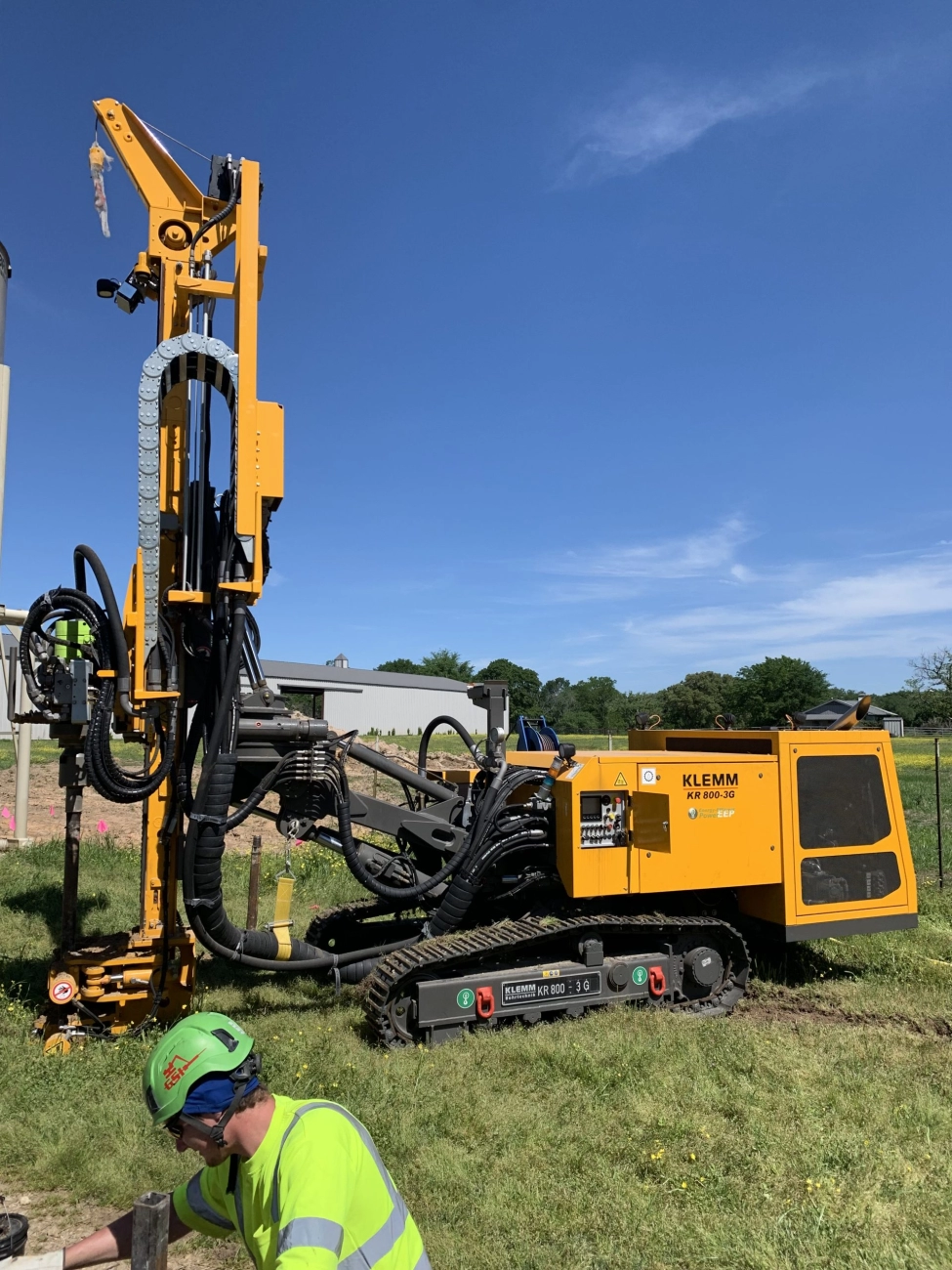
Another key risk is equipment reliability and operator expertise, especially for methods like vibro compaction and other mechanized ground improvement services. Partnering with experienced providers who follow industry standards lowers the chances of downtime or uneven soil enhancement.
By focusing on these points, we can better control risks and keep projects on schedule and within budget, ensuring safer, more sustainable foundations for whatever lies ahead.
Future Outlook Projections and Strategic Recommendations
The future of the global ground improvement service market looks strong, driven by ongoing urban soil improvement trends and the growing need for resilient infrastructure development across the United States. As construction projects increase in scale—from highways to mega foundations—the demand for advanced soil stabilization techniques and sustainable foundation engineering will continue to rise.
Key projections include:
- Steady market growth fueled by infrastructure upgrades and new residential and commercial developments.
- Wider adoption of deep soil mixing applications and geosynthetic reinforcement for faster, more cost-effective ground enhancement.
- Greater focus on environmentally friendly and sustainable solutions to meet stricter US regulations and community expectations.
To stay ahead, businesses should:
- Invest in innovative technologies like vibro compaction and consolidation grouting that improve efficiency.
- Expand service offerings to cover diverse geotechnical challenges and construction site remediation needs.
- Build strategic partnerships with local contractors and government initiatives to tap into regional opportunities.
- Prioritize risk mitigation by monitoring soil conditions and adapting techniques promptly.
For those involved in foundation construction and ground improvement contracting, optimizing these strategies can secure a strong foothold in the evolving market. You can learn more about effective approaches at ground improvement contractor and stay updated with relevant projects on ground improvement project.
Focusing on a blend of innovation, sustainability, and regional responsiveness will be key to capturing emerging opportunities in the US and beyond.
 English (South Africa)
  English (United States)
  Vietnamese
  Malay
Malay  French
  Spanish
  Indonesian
  Russian
  Arabic
  Thai
Thai  Panjabi
  Portuguese
  Afrikaans
  Amharic