 跳至内容
跳至内容 
Are you worried about costly delays or unexpected risks on your construction site? You’re not alone—geotechnical investigations and improvement of ground conditions are the hidden backbone of every successful project. Skipping these crucial steps can lead to structural failures, budget overruns, and even regulatory headaches. In this guide, you’ll discover exactly how expert soil assessment and targeted ground improvement strategies turn unstable sites into safe, reliable foundations—saving time, money, and stress. Ready to future-proof your next build? Let’s get started.
Understanding Geotechnical Investigations The Foundation of Informed Decision Making
Why Geotechnical Investigations Matter in Construction
As a ground improvement contractor, I know that every successful project starts with understanding the ground beneath our feet. Geotechnical investigations are the backbone of smart, safe construction. They help us identify risks, choose the right foundation solutions, and avoid costly surprises down the road.
Key objectives of geotechnical investigations:
- Assess soil and rock properties: We need to know if the ground can support the planned structure.
- Identify potential hazards: This includes groundwater, weak soils, or seismic risks.
- Guide foundation design: The data shapes decisions on foundation type, depth, and ground improvement needs.
- Ensure regulatory compliance: Meeting federal, state, and local standards is critical for project approval.
Essential Site Investigation Methods and Tools
We use a range of site investigation methods to get a clear picture of subsurface conditions. Here are the main tools and techniques:
| Method | What It Does | Typical Use Cases |
|---|---|---|
| Borehole Drilling | Extracts soil/rock samples | Deep soil profiling, lab testing |
| Standard Penetration Test (SPT) | Measures soil resistance | Soil strength, compaction checks |
| Cone Penetration Test (CPT) | Continuous soil profiling | Detecting soft layers, liquefaction |
| Geophysical Surveys | Maps subsurface features non-invasively | Large areas, bridge sites |
| Groundwater Monitoring | Tracks water table changes | Flood risk, dewatering planning |
Making Sense of the Data and Avoiding Pitfalls
Interpreting geotechnical data is both an art and a science. Here’s how we ensure accuracy and avoid common mistakes:
- Cross-check multiple data sources: We never rely on just one method.
- Watch for anomalies: Unexpected readings often signal hidden issues.
- Consult local experience: Regional knowledge helps avoid misinterpretation.
- Document everything: Detailed records support future forensic geotechnical assessment if needed.
Adapting to Regional Soil and Seismic Conditions
Every region in the US has unique ground challenges. We adapt our investigations to address these:
- Seismic zones: In earthquake-prone areas, we focus on seismic soil liquefaction mitigation and dynamic soil testing.
- Expansive or collapsible soils: We tailor soil stabilization techniques to local geology.
- Urban fill and legacy sites: For city projects, our site investigation methods include careful analysis of old fill material and buried debris.
Bottom line: Geotechnical investigations are the starting point for every safe, efficient, and cost-effective construction project. By knowing the ground, we build with confidence and deliver lasting results. If you have questions about your site or want to discuss the best approach for your project, reach out to our team.
Common Ground Condition Challenges and When Improvement Is Essential
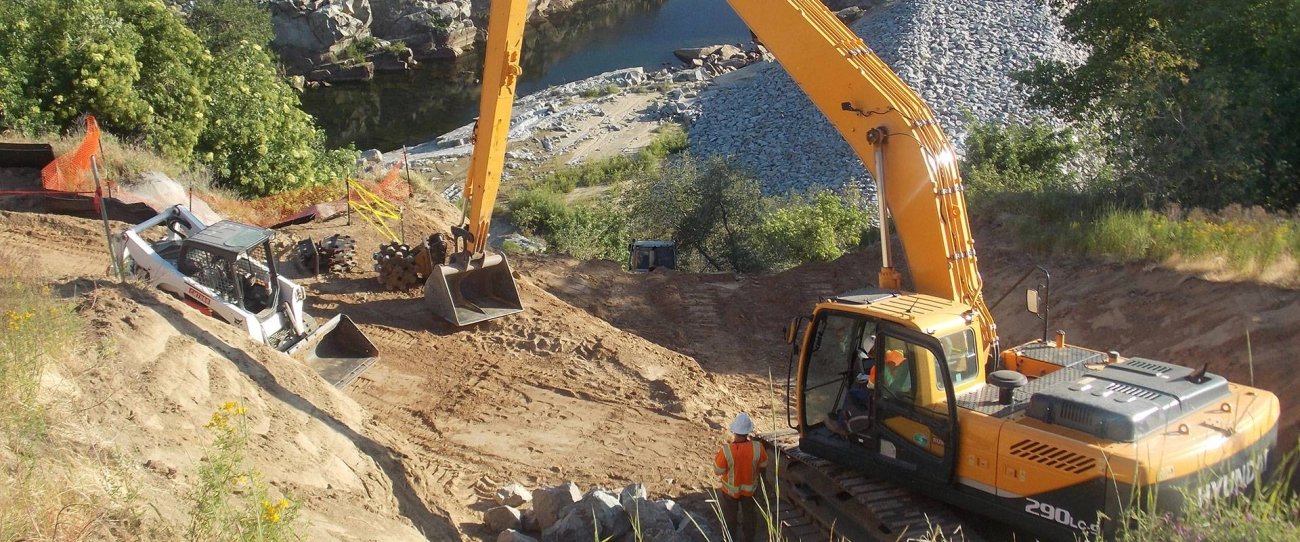
When you’re tackling any construction project, understanding ground conditions is critical. Not all soils are created equal, and some can seriously threaten your project’s stability if not addressed early.
Spotting Problematic Soils
Certain soils—like expansive clays, loose sands, and organic fills—can shift, settle, or even liquefy during an earthquake. These issues can lead to uneven foundations, cracks, or even structural failure. That’s why subsurface soil testing and thorough site investigation methods are a must before breaking ground.
Key Risks to Watch
- Groundwater Issues: High water tables can weaken soils, cause flooding, or complicate excavation. It’s vital to assess groundwater levels to prevent surprises.
- Seismic Activity: In earthquake-prone regions, soils may liquefy, especially if they\’re loose or saturated. Seismic soil liquefaction mitigation strategies are essential for safety.
- Urban Fill: Old landfills or reclaimed sites often hide debris or unstable layers. Forensic geotechnical assessment helps uncover these risks before construction starts.
Why Invest in Ground Improvement
- Cost Savings: Fixing a problem before you build is always cheaper than repairing damage later. Investing in ground improvement strategies—like vibro compaction or stone columns—can prevent costly delays and repairs.
- Project Longevity: Proper soil stabilization techniques extend the life of your structures and reduce long-term maintenance.
- Compliance: U.S. construction codes and standards require thorough geotechnical investigations and proven improvement methods. Meeting these standards keeps your project on track and avoids regulatory headaches.
If you want to see how professional ground improvement can make a difference, check out our ground improvement contractor services or review some of our global projects for real-world examples.
Getting the ground right is the foundation of every successful build.
Proven Ground Improvement Techniques From Assessment to Action
When it comes to ground improvement, we focus on methods that match the real needs of your site, based on solid geotechnical investigations. Here’s how we approach it:
Mechanical Methods
- Soil Compaction: We use vibro compaction and heavy rollers to densify loose soils, reducing settlement and boosting load support. This is a go-to for foundations in sandy areas.
- Stone Columns: These are installed to reinforce soft soils, improve drainage, and fight seismic soil liquefaction. Stone columns are common in urban fill zones and near water tables.
Hydraulic and Chemical Stabilization
- Drainage Solutions: Installing drains or using wick drains helps lower groundwater levels, which keeps your foundation dry and stable.
- Grouting: We inject grout to fill voids and bind loose soils. This method is ideal for controlling groundwater and stabilizing old urban fill.
- Chemical Treatments: Lime or cement mixing turns weak clay into a strong base. It’s a reliable way to stabilize soils for highways and industrial sites.
Reinforcement Approaches
- Lime Cement Mixing: This technique is used to stiffen and reinforce clay-rich soils, making them suitable for heavy loads.
- Geotextiles: We lay down fabric layers to separate, reinforce, and stabilize soils. Geotextiles are perfect for slopes, roadbeds, and landfill projects.
Matching Techniques to Investigation Results
We never guess. Our selection process is based on thorough subsurface soil testing, borehole drilling analysis, and site investigation methods. Here’s how we pick the right solution:
- Soil Type: Sandy, clay, or urban fill? Each needs a different approach.
- Water Table: High groundwater calls for drainage and grouting.
- Load Requirements: Heavier structures need robust reinforcement.
- Seismic Risk: Areas prone to earthquakes get special treatment like stone columns or soil stabilization.
By combining proven ground improvement strategies with forensic geotechnical assessment, we make sure your project stands on solid ground. This approach saves you money, keeps you compliant, and reduces foundation engineering risks.
Integrating Geotechnical Investigations and Ground Improvement Step by Step
When it comes to geotechnical investigations and improvement of ground conditions, a clear workflow keeps projects on track and results reliable. Here’s how we do it for clients across the United States.
Pre Project Planning and Preliminary Site Assessment
- Start with a clear plan. We work closely with owners and engineers to understand site history, local soil types, and project needs. This helps us pick the right site investigation methods, whether it’s borehole drilling analysis, subsurface soil testing, or geophysical surveys.
- Review risks early. Foundation engineering risks like groundwater, seismic soil liquefaction, and urban fill issues are flagged upfront so we can plan proper ground improvement strategies.
Execution and Monitoring During Ground Improvement
- Choose the right techniques. Based on our site investigation, we match ground improvement methods—like vibro compaction, stone columns, or chemical stabilization—to the soil’s needs. For example, in areas with soft clay, we might use lime cement mixing or geotextiles.
- Monitor progress. We use real-time data and forensic geotechnical assessment to track soil stabilization and make adjustments as needed. Our team stays on-site to ensure quality and compliance with all regulatory standards.
Post Improvement Validation and Efficacy Checks
- Test and verify. After ground improvement, we run subsurface tests to confirm the soil’s strength and stability. This step is crucial for passing inspections and meeting project specs.
- Document everything. We provide detailed reports for clients, covering all ground improvement activities and site investigation results.
Holistic Workflow Examples from Successful Projects
- Urban high-rise foundations: Deep soil mixing and thorough subsurface testing helped stabilize soft ground at the Hong Kong University of Science and Technology Guangzhou Campus. See our project details.
- Bridge retrofits: For rural bridge upgrades, we used geophysical surveys and consolidation grouting to mitigate seismic risks and improve load-bearing capacity. More about our water foundation treatment projects.
A step-by-step approach means fewer surprises and better results. By integrating investigations with ground improvement, we deliver safe, stable sites ready for whatever you build next.
Real World Case Studies Lessons from Ground Improvement Projects
Urban High Rise Challenges and Deep Soil Mixing Solutions
Building high rises in cities like New York or Chicago means facing tough ground conditions—think soft clays, fill, or groundwater. We’ve tackled these challenges with deep soil mixing, a proven ground improvement strategy. On a recent downtown project, our team used deep soil mixing to stabilize weak, compressible soils before construction even started. The process improved load-bearing capacity and cut down settlement risks, making the foundation safer and more reliable. This approach also helped us stay on schedule and avoid costly delays, which is critical in urban construction.
Rural Bridge Retrofits Using Geophysical Surveys and Grouting
Rural bridge projects often come with their own set of ground issues, especially with aging infrastructure and unknown subsurface conditions. For a bridge retrofit in the Midwest, we started with thorough site investigation methods, including geophysical surveys and borehole drilling analysis. These subsurface soil testing techniques helped us spot loose soils and groundwater pockets. We then used pressure grouting to fill voids and stabilize the ground, boosting the bridge’s safety and lifespan without major traffic disruptions.
Key Lessons Learned and Strategies for Avoiding Common Errors
From years of geotechnical investigations and improvement of ground conditions, we’ve learned a few things:
- Never skip subsurface testing: A detailed site investigation saves time and money by revealing hidden risks early.
- Match the solution to the soil: Whether it’s vibro compaction, stone columns, or chemical stabilization, the right method depends on accurate data.
- Monitor as you go: Real-time monitoring during ground improvement keeps projects on track and prevents surprises.
- Plan for the unexpected: Foundation engineering risks like seismic soil liquefaction or urban fill can pop up—always have a backup plan.
- Stay up to code: Following US regulations and standards ensures safety and smooth approvals.
These case studies show how practical, data-driven ground improvement strategies lead to safer, more durable infrastructure—no matter the site.
The Future of Geotechnical Investigations and Improvement of Ground Conditions
Innovations Changing How We Work
The geotechnical field is taking big steps forward, and it’s all about making projects safer, faster, and more reliable. Here’s how we’re staying ahead:
-
AI Data Analysis
We use artificial intelligence to crunch huge amounts of site and subsurface soil testing data. This helps us spot risks early, choose the right soil stabilization techniques, and predict how ground conditions might change over time.
-
Drone Mapping
Drone technology lets us survey large areas quickly and accurately. We get high-res images and real-time updates, which make borehole drilling analysis and site investigation methods much more efficient.
Sustainability and Eco Friendly Solutions
Customers in the U.S. want safe, strong foundations—but also care about the environment. We’re focused on:
- Using bio-based soil stabilization techniques to cut down on chemicals
- Installing low-impact drainage systems and geotextiles for erosion control
- Choosing ground improvement strategies that reduce waste and energy use
Commitment to Research and Development
We’re always testing new methods and materials to make sure our solutions stand up to tough site conditions—from seismic soil liquefaction mitigation to urban fill risks. Here’s what we’re doing:
- Partnering with local universities for forensic geotechnical assessment research
- Investing in smart monitoring tools for post-improvement validation
- Training our teams on the latest foundation engineering risks and solutions
We know U.S. customers expect results that last. By combining proven ground improvement strategies with cutting-edge technology and a focus on sustainability, we deliver safer, smarter, and more resilient foundations for every project.
 English (South Africa)
  English (United States)
  Vietnamese
  Malay
Malay  French
  Spanish
  Indonesian
  Russian
  Arabic
  Thai
Thai  Panjabi
  Portuguese
  Amharic