
Why Ground Improvement Matters Enhancing Soil for Lasting Project Success
Ever worry your project might run into trouble because the soil just isn’t up to the job? You’re not alone. Weak or unpredictable ground is one of the biggest headaches in construction—whether it’s a new warehouse, a highway, or a wind farm. That’s where ground improvement steps in.
Ground improvement means changing the soil right where it sits—no need to dig it all out or rely on expensive deep foundations. We use smart techniques to make the ground stronger, safer, and ready for whatever you’re building.
Why does this matter? Here’s what you get:
- Higher load-bearing capacity: Your structures stand firm, even on tricky soil.
- Reduced settlement and liquefaction risks: Less chance of uneven sinking or shifting during earthquakes or storms.
- Cost savings: Avoid pricey foundation systems and massive soil replacement.
- Environmental sustainability: Fewer trucks hauling soil, less disruption, and smarter use of local resources.
At Sunzo, we specialize in ground improvement solutions that fit your site’s unique needs. Our team handles everything from initial soil surveys to choosing the right technique and delivering results. If you’re facing soil challenges, let’s talk—schedule a site evaluation and see what’s possible.
Curious about how it all works? There’s more than one way to strengthen the ground. You’ll hear about mechanical methods (think vibration and compaction), chemical techniques (like soil mixing and grouting), and reinforcement systems (using geosynthetics and other innovations). Each method has its place, and we’ll walk you through how to choose the best fit for your project.
Mechanical Ground Improvement Techniques Densifying Soil Through Energy and Vibration
Vibro Compaction and Vibro Replacement Stone Columns
Vibro compaction uses powerful depth vibrators to shake and pack loose, granular soils. This boosts density and load-bearing capacity, making it perfect for sandy sites. Vibro replacement, also called stone columns, goes a step further—installing columns of crushed stone into weak soils. These stone columns reinforce the ground, helping control settlement and reduce liquefaction risks.
Pros
- Fast installation
- Works well for large areas
- Cuts down on settlement
Cons
- Not ideal for clay-rich soils
- Needs specialized equipment
Best Uses
- Building pads for warehouses, factories, and parking lots
- Stabilizing land for roads and railways
Dynamic Compaction
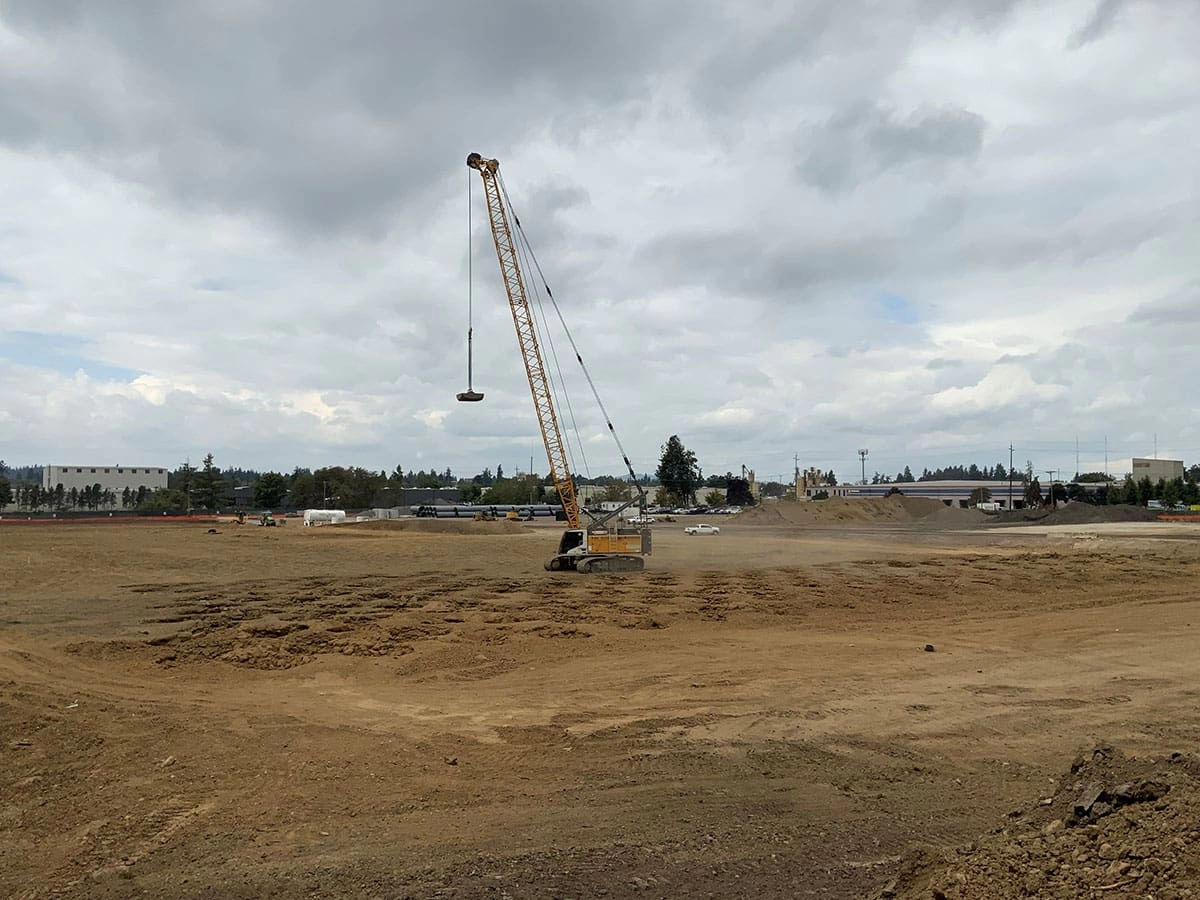
Dynamic compaction means dropping heavy weights (sometimes over 20 tons) from a height to compact soil layers. This method is great for densifying deep, loose fill or old industrial land.
Pros
- Reaches deep layers
- Handles mixed soils and debris
Cons
- Can cause vibrations—watch out near sensitive structures
- Not suited for soft clays
Best Uses
- Redeveloping brownfield sites
- Preparing land for highways and airports
Comparison Table: Vibro Methods vs Dynamic Compaction
| Method | Best Soil Type | Depth Range | Speed | Vibration Risk | Cost Indicator |
|---|---|---|---|---|---|
| Vibro Compaction | Clean sands | Up to 65 ft | Fast | Low | $$ |
| Stone Columns | Soft/loose soils | Up to 50 ft | Medium | Low | $$$ |
| Dynamic Compaction | Fill/mixed soils | Up to 40 ft | Fast | High | $ |
Prefabricated Vertical Drains and Preloading
For soft clays, prefabricated vertical drains (PVDs) and preloading speed up consolidation. PVDs are thin, synthetic strips pushed into the ground, letting water escape as the soil is loaded. This method helps settle the ground faster, preventing long-term issues.
Pros
- Reduces waiting time for consolidation
- Minimizes future settlement
Cons
- Only for clay and silt
- Needs careful monitoring during preload
Best Uses
- Highway embankments
- Port and airport expansions
Mechanical ground improvement techniques like these are reliable, cost-effective, and proven across the United States. If you’re looking for solid ground solutions, Sunzo can help you pick the best method for your site.
Chemical Ground Improvement Techniques Stabilizing Soil at the Molecular Level

Chemical ground improvement goes deeper than just packing soil tight—it changes the soil itself. By blending additives or injecting grout, we boost strength, cut down on settlement, and make sites safer for building. Here’s how it works:
Deep Soil Mixing and Jet Grouting
We mix cement, lime, or other binders right into the soil using special tools. This locks soil particles together, raising shear strength and lowering compressibility.
Pros:
- Works well in soft, loose soils
- Quick results and strong improvement
- Cuts down on settlement and liquefaction risk
Cons:
- Needs specialized equipment
- Can be pricier than simple compaction
- Not ideal for gravelly or very dry soils
Applications:
- Foundation support for buildings, tanks, and embankments
- Stabilizing slopes and retaining walls
- Remediation of contaminated sites
Grouting Methods Permeation Compaction and Chemical
Grouting means pumping material—like cement, chemicals, or resins—directly into soil to fill gaps, bind grains, or make soil denser.
Types of Grouting:
- Permeation Grouting: Fills pores without shifting soil
- Compaction Grouting: Pushes soil aside, making it denser
- Chemical Grouting: Uses chemicals for binding or waterproofing
Pros:
- Targets problem zones with precision
- Works under existing structures
- Controls groundwater flow
Cons:
- Needs expert design and control
- Limited reach in very tight soils
Applications:
- Underpinning buildings
- Sealing tunnels and shafts
- Improving dam and levee foundations
Quick Grouting
- Fast fix for local weak spots
- Great for liquefaction mitigation methods
- Customizable for tricky sites
For more on our grout solutions, check out our consolidation grouting page.
Lime and Cement Stabilization
We mix lime or cement into the soil to lower plasticity and boost strength. This is a go-to for clay-heavy soils in the U.S.
Pros:
- Simple and cost-effective
- Improves workability and load capacity
- Reduces shrink/swell issues
Cons:
- Best for clays and silts, less effect on sands
- Needs careful mixing for even results
Applications:
- Road bases and airfields
- Building pads and parking lots
- Slope stabilization
Chemical soil stabilization is a smart choice for U.S. customers needing reliable, long-term soil improvement. If you’re facing tough ground conditions, our team at Sunzo can help you pick the best method for your project. Reach out for a site evaluation or see more about our ground improvement contractor services.
Reinforcement and Innovative Ground Improvement Techniques
Geosynthetics Geotextiles Geogrids
Geosynthetics are synthetic materials like geotextiles and geogrids used to reinforce soil. We install these layers to add strength, control erosion, and improve stability. Geotextiles separate and filter, while geogrids lock soil particles together for better load-bearing.
Pros:
Quick installation
Cost-effective for large areas
Reduces maintenance
Works for slopes, roads, and retaining walls
Cons:
Not ideal for very soft or organic soils
Needs good design to avoid failures
Applications:
Roadbeds and highways
Landfills and embankments
Slope stabilization
Erosion control
Ground Freezing and Electro Osmosis
Ground freezing is a method where we freeze soil using pipes and refrigerants, turning water in the soil to ice. This creates a solid, temporary barrier for tunneling or excavation. Electro osmosis uses electric fields to move water out of clay soils, helping with dewatering and stabilization.
Pros:
Ground freezing gives instant strength and water cutoff
Electro osmosis is great for tight spaces and deep clay
Cons:
Both methods can be expensive
Ground freezing needs lots of energy
Electro osmosis works best in fine-grained soils
Applications:
Tunnel construction
Deep excavations near water
Emergency repairs in urban areas
Innovation Spotlight:
These techniques are gaining ground for tricky jobs where traditional soil compaction and chemical soil stabilization don’t cut it. They’re especially useful when you need a quick fix or have strict environmental rules.
Looking for the right reinforcement method?
We’ll help you choose what fits your site and budget. Reach out for a local site evaluation and see how our ground improvement contractor team can boost your project’s strength and safety.
Selecting the Right Ground Improvement Technique
Choosing the right ground improvement technique isn’t one-size-fits-all. Here’s how we help you make the best call for your project.
Key Factors to Consider
- Soil Type: Sandy, clay, silt, or mixed soils all need different approaches.
- Project Scale: Large commercial builds vs. small residential jobs.
- Budget: Some methods cost more upfront, but save money over time.
- Timeline: Fast-track projects may need quicker solutions.
- Environmental Regulations: Local rules can affect what’s possible.
Quick Selection Table
| Technique | Best Soil Type | Depth Range | Cost Indicator | Sunzo Success Rate |
|---|---|---|---|---|
| Vibro Compaction | Clean sands | 10-30 ft | $$ | High |
| Stone Columns | Soft clays/silt | 10-50 ft | $$$ | High |
| Dynamic Compaction | Granular soils | 10-20 ft | $ | Moderate |
| Deep Soil Mixing | Soft clays/silt | 10-60 ft | $$$$ | High |
| Jet Grouting | All soils | 10-60 ft | $$$$ | High |
| Prefabricated Vertical Drains | Soft clays | 10-100 ft | $$ | High |
| Geosynthetics | All soils | Surface/near | $ | High |
Real World Results Sunzo Case Studies
- Warehouse in Houston, TX: Vibro stone columns cut settlement risk by 80%.
- Highway Expansion in Florida: Prefabricated vertical drains sped up construction by months.
- Residential Build in California: Deep soil mixing stabilized soft clay, saving on deep foundations.
Expert Tips for US Projects
- Always start with a geotechnical survey—know your soil before you dig.
- Hybrid methods (like combining stone columns and geosynthetics) can solve tricky site problems.
- Work with a contractor who knows local soils and regulations—Sunzo’s team brings decades of US experience.
Ready for a site evaluation or want to see more of our success stories? Reach out to Sunzo and let’s talk about your next project.
The Future of Ground Improvement Sustainable Innovations with Sunzo
Ground improvement is changing fast, thanks to new tech and a push for greener solutions. Here’s what’s coming up in the field—and how Sunzo is leading the way.
Trends Shaping Ground Improvement
- Bio-based stabilizers: We’re seeing more use of natural materials to stabilize soil. These eco-friendly additives cut down on carbon footprint and make projects safer for the environment.
- AI-driven site analysis: Artificial intelligence helps us predict soil behavior and choose the best ground improvement techniques. This means faster, more accurate site evaluations and fewer surprises during construction.
- Climate-resilient designs: With extreme weather on the rise, there’s more focus on methods that protect against flooding, liquefaction, and erosion. Sustainable ground engineering is now a must for long-term success.
Our Commitment to Net Zero Projects
At Sunzo, we’re serious about sustainability. We use soil compaction techniques, geosynthetic reinforcement, and chemical soil stabilization methods that meet strict environmental standards. Our goal is to deliver safe, strong, and climate-smart foundations for every project.
Free Consultation Offer
Want to know which ground improvement method fits your site? Reach out to our team for a free site evaluation. We’ll help you pick the right solution—whether it’s deep soil mixing, jet grouting, or innovative methods like bio-based stabilizers. Sunzo is here to guide you toward a greener, stronger build.
FAQs Common Questions on Ground Improvement Techniques
Here are answers to the most common questions we get about different types of ground improvement techniques, costs, and Sunzo’s commitment to sustainable ground engineering.
1. How do I know which ground improvement technique is right for my site?
We look at your soil type, project size, budget, and timeline. Our team runs a site evaluation to recommend the best fit, whether it’s soil compaction techniques like vibro stone columns or chemical soil stabilization.
2. What’s the cost range for ground improvement methods?
Costs depend on the method, site conditions, and project scale. Mechanical techniques like dynamic compaction are often more budget-friendly, while deep soil mixing and jet grouting applications can run higher. We always offer clear pricing up front.
3. How long does ground improvement take?
Most jobs wrap up in a few weeks, but it depends on the method and site access. Prefabricated vertical drains and preloading may take longer for full consolidation. We’ll give you a clear timeline before starting.
4. Is ground improvement safe for the environment?
Sunzo uses eco-friendly options whenever possible, like bio-based stabilizers and geosynthetic reinforcement. We follow all local and federal environmental regulations—our goal is sustainable ground engineering.
5. Can ground improvement help with liquefaction mitigation?
Yes, methods like vibro stone columns and chemical soil stabilization can reduce liquefaction risks, especially in earthquake-prone areas.
6. Does Sunzo offer site evaluations and consultation?
Absolutely. We provide free site evaluations and walk you through the best ground improvement techniques for your project.
7. How does Sunzo ensure quality and compliance?
We use advanced soil testing, AI-driven site analysis, and keep up with the latest in sustainable ground engineering. Our work meets all US standards and eco-compliance rules.
Got more questions? Reach out to Sunzo for expert advice on ground improvement for your next project.
 English (South Africa)
  English (United States)
  Vietnamese
  Malay
Malay  French
  Spanish
  Indonesian
  Russian
  Arabic
  Thai
Thai  Panjabi
  Portuguese
  Afrikaans
  Amharic