
Understanding Clay Soil and Its Risks in Construction
Clay soil is common across many US construction sites, but it comes with hidden challenges that can threaten your project’s success. Its fine particles hold water tightly, which causes the soil to expand when wet and shrink when dry. This constant movement puts pressure on foundations, often leading to cracking, uneven settling, and costly repairs.
Key characteristics of clay soil that affect construction include:
- High plasticity: Clay changes shape easily with moisture variations.
- Low permeability: Water drains slowly, increasing saturation risks.
- Expansive nature: Swelling and shrinking cause soil instability.
Ignoring these traits can lead to foundation failure, drainage problems, and structural damage. That’s why a thorough site assessment is crucial before breaking ground. Testing soil bearing capacity and drainage conditions helps identify risk areas and informs proper soil improvement strategies.
When should you act? If your soil tests reveal high clay content or expansive properties, it’s time to implement stabilization techniques. Early intervention saves money and ensures a solid foundation for your build. Understanding these essentials prepares your site for long-term stability and success.
Proven Clay Soil Improvement Techniques for Construction
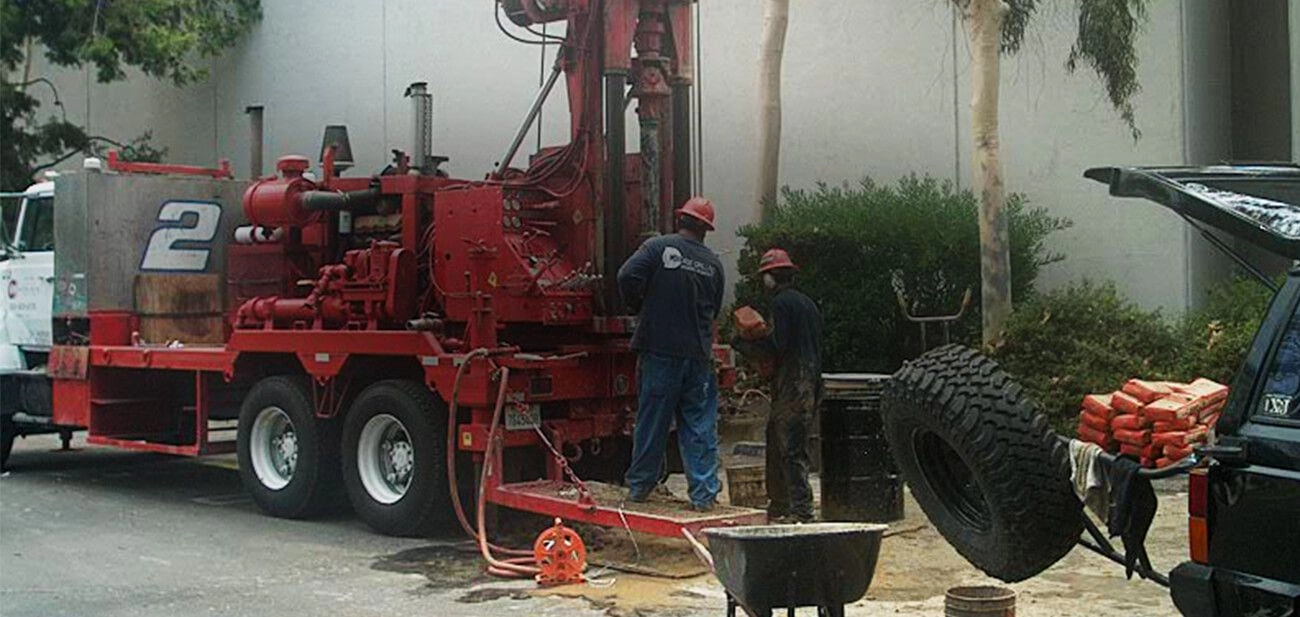
When it comes to clay soil improvement for construction, there are several trusted methods that boost soil bearing capacity and prevent costly foundation issues.
Chemical Stabilization Quick Fixes with Lasting Strength
Chemical treatments like lime soil treatment are popular for rapid stabilization. Adding lime changes the clay’s structure, reducing its tendency to expand and shrink with moisture changes. This method enhances soil bearing capacity and improves durability, making it ideal for foundation repair on clay soil areas. It\’s a cost-effective way to create a stable subgrade faster, especially when time is tight.
Mechanical Methods Building Stability Layer by Layer
Mechanical solutions focus on physically improving the soil through compaction techniques for clay. Layers of clay are compacted to increase density and reduce voids, which limits water absorption and swelling. This process strengthens the soil foundation step-by-step, providing a stable base for heavy construction loads. Mechanical stabilization often pairs well with grading and drainage solutions for expansive soils, ensuring long-term stability.
Sustainable Innovations Waste Materials and Green Amendments
Green technologies are gaining ground in clay soil subgrade improvement. Using construction waste soil recycling and sustainable clay soil amendments like fly ash or biochar not only boosts soil properties but also reduces environmental impact. These innovations improve soil structure naturally, support drainage, and lower construction waste. Combining sustainability with geotechnical soil modification helps future-proof your site with eco-friendly and effective solutions.
For more insight into advanced soil techniques, check out our detailed land soil improvement solutions that combine these proven methods for lasting results.
Step-by-Step Guide Implementing Clay Soil Fixes on Your Site
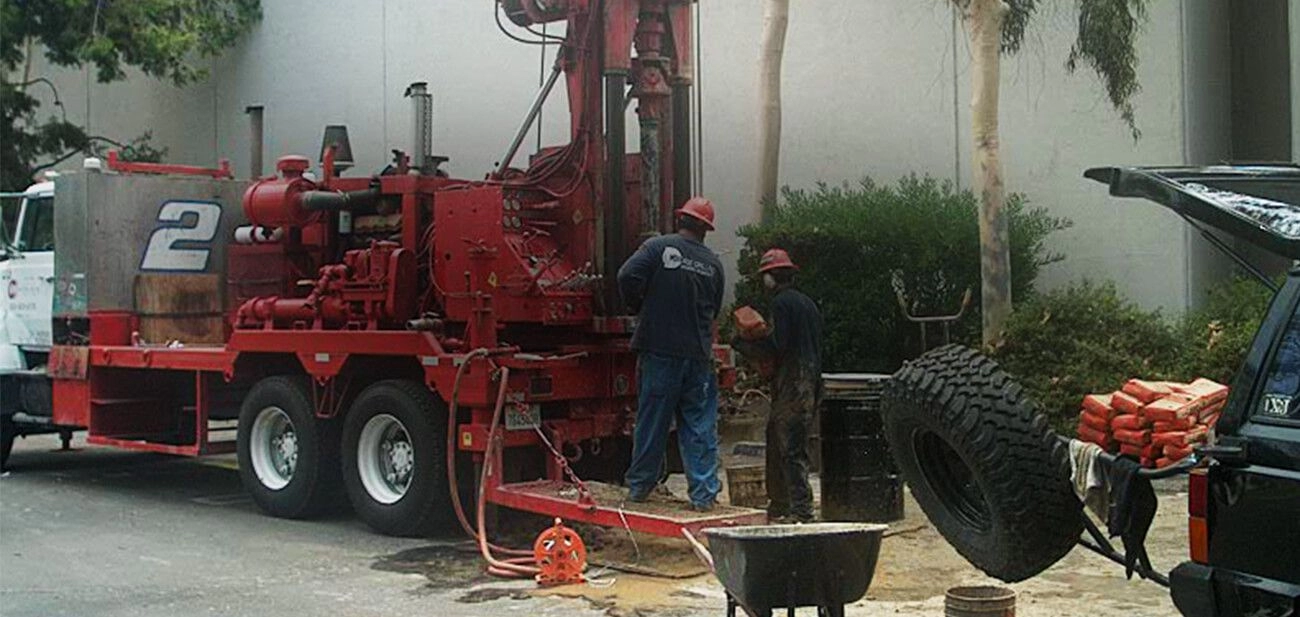
Pre-Construction Prep Grading and Drainage Mastery
Before putting any work into stabilizing clay soil, proper site prep is crucial. Start with grading to ensure the land slopes away from the foundation. This helps prevent water from pooling, which can worsen soil expansion. Next, focus on drainage solutions for expansive soils—installing French drains or surface swales can redirect water and reduce moisture buildup in clay subgrade. Proper drainage is your first defense against foundation problems.
Application Best Practices for Maximum Durability
When applying fixes like lime soil treatment for foundations or chemical stabilization, timing and technique matter.
- Apply soil amendments evenly and mix thoroughly to improve soil bearing capacity efficiently.
- Use compaction techniques for clay to get a dense, stable subgrade layer.
- Moisture control during application ensures the stable layer won’t shrink or swell later.
These steps extend the life of your soil improvement work and limit future repairs.
Foundation Design Tweaks for Clay-Heavy Zones
Building on clay soil means adapting your foundation design to handle soil movement. Some practical tweaks include:
- Using deeper footings to reach more stable soil layers.
- Installing pier and beam foundations instead of slab-on-grade to allow movement without cracking.
- Incorporating moisture barriers to keep water away from the soil near your foundation.
These foundation design changes reduce the risk of costly foundation repair on clay soil and protect your investment long-term.
By following these focused steps on grading, drainage, soil treatment, and foundation tweaks, you can tackle clay soil challenges confidently and build on a stable base.
Sunzo’s Role Your Local Partner for Clay Soil Mastery
When it comes to improving clay soil for construction projects, having a trusted local partner makes all the difference. That’s where Sunzo steps in. We specialize in clay soil improvement tailored to the unique challenges faced in various U.S. regions. From expansive clay stabilization to soil bearing capacity enhancement, Sunzo offers dependable solutions built on experience and cutting-edge methods.
Why Choose Sunzo for Construction-Ready Soil Solutions
- Proven Expertise: We have hands-on experience in geotechnical soil modification and clay subgrade improvement, ensuring your foundation rests on solid ground.
- Customized Approaches: No two sites are the same. Sunzo evaluates each project carefully, delivering chemical stabilization, mechanical methods, or sustainable clay soil amendments depending on what works best.
- Local Knowledge: Understanding regional soil behavior and drainage challenges allows us to implement effective solutions like lime soil treatment for foundations and compaction techniques for clay.
- Comprehensive Support: From site assessment to final foundation design tweaks, we’re with you every step, helping prevent costly foundation repair on clay soil downtime later.
Cost Breakdown Budgeting for Long-Term Savings
Investing in clay soil improvement upfront saves you thousands down the line:
- Reduced Repair Costs: Proper stabilization minimizes cracking and other damages that lead to expensive foundation repairs.
- Improved Soil Bearing Capacity: Enhancing soil strength means lighter foundation designs, reducing materials and labor costs.
- Sustainable Methods: Using construction waste soil recycling and green amendments lowers material expenses and supports eco-friendly construction.
- Efficient Project Timelines: Mechanical and chemical treatments speed up site readiness, cutting overall project time and costs.
At Sunzo, we’re committed to delivering high-quality soil improvement services that make your construction safer, more durable, and budget-friendly. Check out our expertise at Sunzo Ground Improvement Projects and explore how we can help with your next build.
 English (South Africa)
  English (United States)
  Vietnamese
  Malay
Malay  French
  Spanish
  Indonesian
  Russian
  Arabic
  Thai
Thai  Panjabi
  Portuguese
  Afrikaans
  Amharic