
Why Ground Improvement is Essential for Modern Construction Projects
The Real Challenge of Weak Soils
Every construction project starts with the ground beneath it. But what if the soil is too soft, loose, or unstable? Weak soils can lead to:
- Foundation settlement and cracking
- Poor load-bearing capacity
- Increased risk of liquefaction during earthquakes
- Delays and unexpected costs
These issues aren’t rare—they’re common across the United States, from coastal cities with marine clays to inland areas with expansive soils. Without effective soil stabilization techniques, structures face long-term risks.
How Ground Improvement Boosts Performance and Sustainability
Ground improvement isn’t just about making soil stronger. It’s about creating a stable, reliable base that supports safe, sustainable construction. Here’s how:
- Improved bearing capacity: Techniques like aggregate piers installation and vibro stone columns increase soil strength, allowing taller and heavier structures.
- Reduced settlement: Methods such as deep soil mixing and dynamic compaction minimize uneven settling, protecting foundations and pavements.
- Liquefaction mitigation: Jet grouting and prefabricated vertical drains help stabilize soils in seismic zones, reducing earthquake risks.
- Environmental benefits: Sustainable ground reinforcement methods, like using recycled materials or bio-based solutions, lower the project’s carbon footprint.
Economic Advantages Backed by Real Projects
Investing in ground improvement pays off. Here’s why:
- Faster project timelines: Stabilized soils mean quicker foundation work and fewer delays.
- Lower maintenance costs: Enhanced soil durability reduces repairs and extends the lifespan of structures.
- Higher property value: Projects built on improved ground command better market prices due to safety and longevity.
Sunzo Case Example:
On a recent high-rise project in Houston, our team used aggregate piers to transform soft clay into a stable foundation. The result? A 25% reduction in projected settlement, faster construction, and significant savings on foundation repairs.
The Bottom Line
Ground improvement techniques are a must for today’s construction challenges. They deliver safer, more sustainable, and cost-effective results—making weak soils strong enough to support America’s future. Ready to learn how these methods work? Let’s dive deeper.
Core Categories of Ground Improvement Techniques
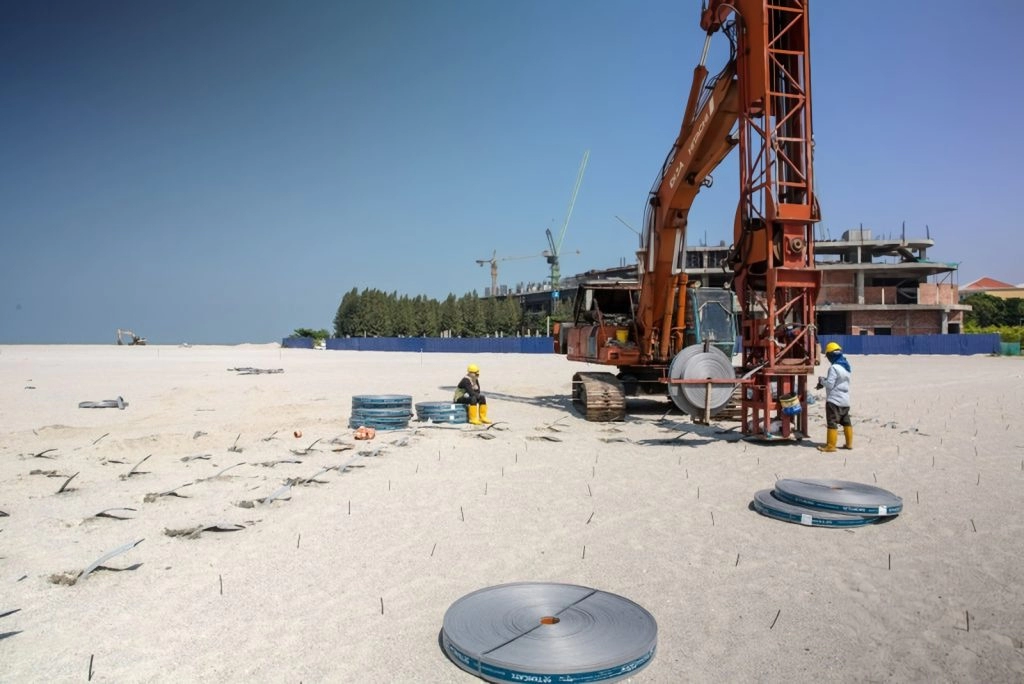
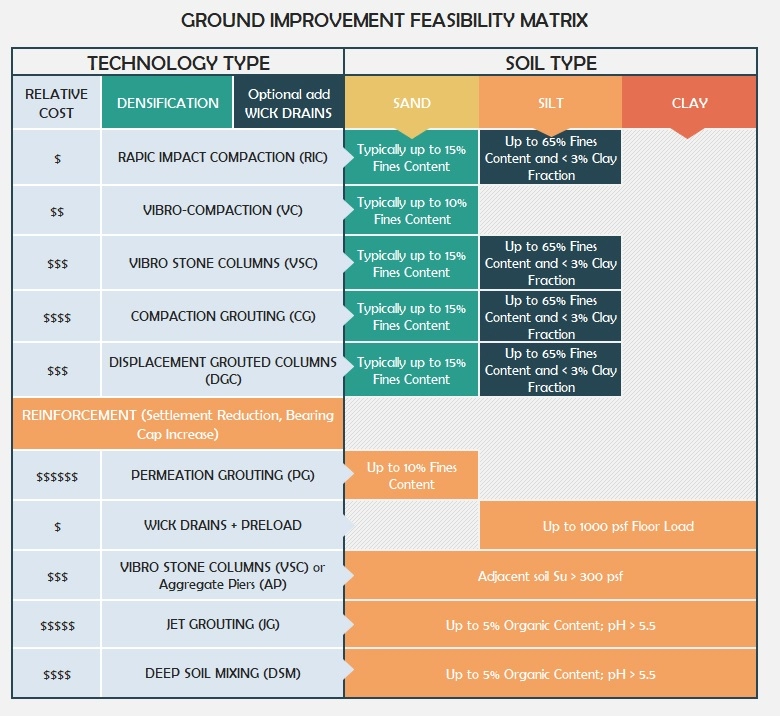
Ground improvement techniques fall into a few main groups. Each one tackles soil problems in a different way, and picking the right method depends on your site and project needs.
Mechanical Methods
Mechanical ground improvement means physically changing the soil to make it stronger or less likely to shift. The most common approaches are:
- Densification: We use tools like vibro compaction, dynamic compaction, or rollers to pack soils tighter, reducing settlement and boosting bearing capacity.
- Reinforcement: Adding materials such as aggregate piers, stone columns, or geosynthetics improves load support and controls liquefaction risk.
These are go-to solutions for loose sands, silts, and fill soils—especially on commercial building sites and highways.
Chemical Methods
Chemical ground improvement uses additives to stabilize soils or change their properties:
- Stabilization: Lime, cement, or fly ash are mixed into the soil to cut down on swelling, shrinkage, and overall instability.
- Admixtures: Other chemicals can be blended in to lower permeability and boost soil strength.
This is a solid choice for expansive clays, soft silts, and sites where durability matters—like industrial floors or bridge approaches.
Hydraulic Methods
Hydraulic techniques help manage water in the ground, speeding up consolidation and settlement:
- Drainage: Prefabricated vertical drains and sand drains move groundwater out, helping soils settle faster.
- Consolidation: We combine drains with preloading to squeeze water out, making the ground stronger for big loads.
These methods shine on wet sites, marine clays, and anywhere groundwater slows down construction.
Hybrid and Advanced Approaches
New hybrid methods mix mechanical, chemical, and hydraulic techniques for better results:
- Example: Combining deep soil mixing with prefabricated drains for tough, waterlogged soils.
- Emerging Trends: Bio-cementation and AI-driven design are starting to change how we tackle complex ground conditions.
Each category has strengths, and the best ground improvement technique depends on your local soil, project size, budget, and timeline. We help you pick the right fit for your job, using proven soil stabilization techniques and the latest innovations.
Mechanical Ground Improvement Methods Densifying and Reinforcing Soils

Mechanical ground improvement methods are all about making weak soils stronger and more stable for construction. Here’s a quick look at the top techniques we use across the United States.
Vibro Compaction and Stone Columns
How They Work
Vibro compaction uses a vibrating probe to shake loose, granular soils (like sand), packing them tighter and boosting their density.
Stone columns are made by vibrating the ground and filling vertical holes with gravel or crushed stone. This reinforces soft soils and helps water drain.
Where They Work Best
Vibro compaction: Works great in loose, clean sands—think coastal projects, warehouse pads, or reclaimed land.
Stone columns: Ideal for soft clays, silts, or mixed soils under roads, buildings, and embankments.
Pros and Cons
Vibro compaction:
Pros: Fast, cost-effective, can increase bearing capacity by 50%+
Cons: Needs granular soils, not for silts or clays
Stone columns:
Pros: Handles weak soils, reduces settlement, improves drainage
Cons: Not for very soft or organic soils, needs access for heavy equipment
Local Example
We used stone columns on a logistics warehouse project in Houston, cutting expected settlement by 60% and speeding up the construction timeline. For more on our local projects, check out our ground improvement project portfolio.
Dynamic Compaction and Rapid Impact Compaction
How It Works
Dynamic compaction: Drops heavy weights (up to 20 tons) from a height to compact deep soils.
Rapid impact compaction: Uses a hydraulic hammer to deliver quick blows—great for shallow improvements.
Where It Fits
Dynamic compaction: Works best for large open sites, landfills, or industrial pads with loose fills.
Rapid impact compaction: Used for roads, airport runways, or smaller sites needing quick settlement reduction.
Pros and Cons
Dynamic compaction:
Pros: Deep treatment (up to 30 feet), cost-effective for big areas
Cons: Vibration can affect nearby structures, not for tight spaces
Rapid impact compaction:
Pros: Fast, less vibration, good for urban jobs
Cons: Limited depth (up to 10 feet), not for very soft soils
Local Example
We applied dynamic compaction for a retail site in Florida, reducing post-construction settlement by over 80%. Our earthwork engineering project team can handle similar projects nationwide.
Aggregate Piers and Rigid Inclusions
How They Work
Aggregate piers: Drill holes, fill with stone, and compact—creating stiff columns that transfer building loads.
Rigid inclusions: Use concrete columns (not piles) to reinforce very soft soils.
Where They’re Used
Aggregate piers: Great for supporting homes, warehouses, and schools on soft clays or silts.
Rigid inclusions: Used under heavy structures or in seismic zones for liquefaction mitigation.
Pros and Cons
Aggregate piers:
Pros: Fast install, reduces settlement, cost-effective
Cons: Not for peat or very soft organic soils
Rigid inclusions:
Pros: Handles heavy loads, excellent for seismic performance
Cons: Higher cost, needs specialized design
Local Example
We used aggregate piers for a high-rise in New Orleans, improving bearing capacity and cutting settlement by half. Want to learn more about aggregate piers installation? We’ve got you covered.
Mechanical ground improvement is at the heart of what we do as a ground improvement contractor. These methods deliver fast, reliable results for all kinds of projects across the U.S.—from highways to high-rises.
Chemical and Stabilization Techniques Binding Soils for Enhanced Durability
Deep Soil Mixing and Jet Grouting
Deep soil mixing and jet grouting are go-to soil stabilization techniques when you’re dealing with soft soils or need to build underground barriers. Both methods involve blending cement or other binders right into the ground.
-
How it works:
- Deep soil mixing uses big augers to churn up the soil and mix it with cement slurry, creating solid columns in weak ground.
- Jet grouting uses high-pressure jets to inject grout into the soil, forming strong, water-resistant columns.
-
Best uses:
- Soft clays under buildings or roads
- Cut-off walls to block groundwater movement
- Seismic liquefaction mitigation
-
Pros:
- Major boost in bearing capacity
- Cuts down settlement
- Works in tight spaces
-
Cons:
- Can be pricey
- Needs specialized equipment
-
Local example:
- In Houston, deep soil mixing was used for a highway expansion over soft clay, cutting settlement by over 60%.
Permeation and Compaction Grouting
Permeation and compaction grouting are solid choices for filling voids or underpinning existing foundations.
-
How it works:
- Permeation grouting injects thin grout into soil pores without moving the soil, locking everything in place.
- Compaction grouting uses thick grout to physically push soil aside and compact it, increasing density and strength.
-
Best uses:
- Stabilizing old building foundations
- Filling sinkholes or underground voids
- Reducing water flow through soils
-
Pros:
- Lower permeability, better control over groundwater
- Can be targeted to problem areas
-
Cons:
- Limited to certain soil types (sand and gravel for permeation, looser soils for compaction)
- May need multiple injections
-
Local example:
- Downtown Dallas used compaction grouting to stabilize historic brick buildings, reducing settlement and water seepage.
Lime and Fly Ash Stabilization
Lime and fly ash stabilization is a straightforward way to deal with expansive or clay-heavy soils.
-
How it works:
- Lime or fly ash is mixed into the soil, triggering chemical reactions that reduce swelling and boost strength.
-
Best uses:
- Road bases in Texas blackland clays
- Industrial yards with expansive soils
-
Pros:
- Fast curing times
- Eco-friendly—fly ash recycles a waste product
-
Cons:
- Needs careful moisture control
- Not ideal for organic-rich soils
-
Local example:
- In suburban Austin, lime stabilization cut pavement cracking on new subdivisions by half and used recycled fly ash from local power plants.
Bottom line: Chemical ground improvement methods like deep soil mixing, jet grouting, permeation grouting, and lime/fly ash stabilization are proven ways to boost soil durability, cut settlement, and keep water under control. We use these soil stabilization techniques across the US to solve tough ground challenges—quickly, reliably, and with sustainability in mind.
Hydraulic and Advanced Methods Accelerating Consolidation and Thermal Control
Prefabricated Vertical Drains and Preloading
How It Works and Installation:
Prefabricated vertical drains (PVDs), also called wick drains, are thin, synthetic strips installed deep into soft, saturated soils. They create a shortcut for water to escape when soil is loaded or preloaded. Preloading means adding temporary weight—usually soil or fill—on top to squeeze water out faster and speed up settlement.
Where We Use It:
Marine clay sites (coastal areas, ports)
Highway and airport construction
Large commercial pads on soft soils
Pros and Cons:
Pros:
Speeds up consolidation up to 10x faster than natural settlement
Reduces post-construction settlement risks
Cost-effective for large, soft soil sites
Cons:
Needs time for full effect (months to a year)
Not great for soils with low permeability
Local Example:
On a recent highway expansion in the Gulf Coast, we used vertical drains and preloading to stabilize deep marine clays. Settlement finished in just 8 months—saving the project nearly a year compared to traditional fill methods.
Ground Freezing and Emerging Innovations
How It Works:
Ground freezing uses pipes to circulate chilled fluids underground, turning water in the soil to ice. This temporary “ice wall” strengthens the ground and blocks water. Newer methods, like bio-cementation, use microbes to bind soil particles and improve strength.
Where We Use It:
Excavations near existing buildings
Tunnel construction under roads or rail
Sites with contamination needing isolation
Pros and Cons:
Pros:
Creates a strong, watertight barrier
Works in tricky spots where other methods fail
Bio-cementation is eco-friendly and reduces carbon footprint
Cons:
High energy use for freezing
Temporary—needs to be maintained until construction is done
Bio-cementation is still new and not always available
Local Example:
We used ground freezing for a subway tunnel in downtown Boston, keeping groundwater out and protecting nearby foundations. For a brownfield redevelopment in California, bio-cementation helped lock in contaminants and improve soil bearing capacity without heavy chemicals.
Key Takeaways:
- Hydraulic ground improvement speeds up settlement and makes soft soils safe for building.
- Advanced methods like ground freezing and bio-cementation solve tough site challenges, especially in urban or contaminated areas.
- Our team picks the right solution based on local soil, project needs, and long-term performance.
Selecting the Optimal Ground Improvement Method Step by Step Guide
Finding the right ground improvement technique is all about matching the solution to the site. Here’s our process at Sunzo for getting it right, every time.
Key Factors in Choosing a Ground Improvement Technique
We always start with a deep dive into the site. Here’s what matters most:
- Soil type: Is it clay, sand, silt, or something else? Weak soils like soft clay need different fixes than loose sand.
- Groundwater conditions: High water tables call for drainage methods, while dry sites may suit compaction.
- Load requirements: What’s being built? Heavy buildings or bridge abutments need stronger support.
- Budget and timeline: Some methods—like deep soil mixing—cost more but speed things up. Others, like preloading, take longer but save cash.
Decision Matrix Comparing Ground Improvement Techniques
We use a decision matrix to compare options. Here’s a simplified version:
| Method | Best For | Cost | Speed | Soil Type | Sustainability |
|---|---|---|---|---|---|
| Vibro Compaction | Loose sands | $$ | Fast | Sand | Good |
| Stone Columns | Soft clays | $$$ | Medium | Clay/Silt | Good |
| Deep Soil Mixing | Very soft soils | $$$$ | Fast | Clay/Silt | Excellent |
| Dynamic Compaction | Large open areas | $ | Fast | Sand/Fill | Fair |
| Prefab Vertical Drains | Wet marine clays | $$ | Slow | Clay | Good |
| Jet Grouting | Barriers/voids | $$$ | Fast | Most soils | Excellent |
Sunzo’s Process for Geotechnical Evaluation and Modeling
Our step-by-step approach:
- Site investigation: We run soil borings, lab tests, and groundwater checks.
- Modeling: We use advanced software to simulate loads and settlement.
- Technique selection: We match the right ground improvement method to your project, balancing cost, speed, and sustainability.
- Design and execution: We plan, install, and monitor every step, keeping you in the loop.
Common Risks to Avoid When Selecting Ground Improvement Techniques
- Ignoring soil variability: U.S. soils change fast—even across one site. We always check multiple spots.
- Underestimating groundwater: Missed water issues can stall work or cause failures.
- Choosing based on cost alone: Cheaper isn’t always better. Poor soil stabilization can mean costly repairs later.
- Skipping the modeling: Real data beats guesswork. We always run the numbers.
At Sunzo, we make ground improvement simple, reliable, and tailored for local U.S. conditions. Our team helps you pick the best method for your site, so your project gets a solid start.
Real World Case Studies Sunzo’s Ground Improvement Success Stories
High Rise Project Aggregate Piers in Soft Clays
We worked on a high-rise project in Houston where soft clay was a real concern for bearing capacity. Our team installed aggregate piers—quick to put in, cost-effective, and perfect for boosting soil strength. The piers cut down settlement by over 60% compared to untreated soils. Construction stayed on schedule, and the developer saw major savings on foundation costs. With this soil stabilization technique, we delivered reliable support for a heavy building, even in tough ground.
Bridge Abutment Deep Soil Mixing
For a bridge abutment in Florida, deep soil mixing was the answer. The site had waterlogged, loose soils—bad news for stability. We used deep soil mixing to blend cement into the ground, creating a strong base for the structure. This method improved the bearing capacity and cut down lateral movement risks. The project finished ahead of time, and DOT inspectors saw a 75% increase in soil strength. Our approach kept the bridge safe and durable, even with unpredictable soil conditions.
Lessons Learned and Best ROI Practices
Here’s what we’ve learned from these projects:
- Pick the right method for the soil—aggregate piers work great in soft clays; deep soil mixing is best for loose or wet soils.
- Speed matters—mechanical methods like aggregate piers are fast, while chemical stabilization like deep soil mixing offers long-term durability.
- ROI comes from matching technique to project needs—no wasted budget, no over-engineering.
- Regular testing and monitoring ensures the ground improvement works as planned.
- Local expertise pays off—knowing regional soil types and regulations helps us deliver better results for US customers.
If you’re looking for reliable ground improvement techniques that fit your soil and your budget, Sunzo’s got the experience and the know-how to get it done right.
Future Trends in Ground Improvement Sustainability and Innovation
The ground improvement industry is changing fast, and we’re seeing some exciting trends that are shaping how projects get done across the US. Here’s a look at what’s coming next for ground improvement techniques.
Bio-Based Solutions Are Gaining Ground
- Bio-cementation is a new method that uses natural bacteria to help bind soil particles. It’s a low-carbon alternative to traditional chemical stabilization.
- These bio-based soil stabilization techniques can reduce the need for cement and lime, cutting down on emissions and making projects more sustainable.
- Great for sensitive sites, like wetlands or areas near water, where traditional chemicals might not be the best fit.
AI and Data Are Optimizing Projects
- Artificial intelligence is making a big impact in soil improvement. AI-powered modeling helps us choose the best method for each site, saving time and money.
- Machine learning tools can predict soil behavior, track settlement, and flag risks early—helping us deliver better results for clients.
- Drones and sensors now collect real-time data, so we can adjust ground reinforcement strategies on the fly.
Adapting to Climate and Environmental Changes
- With more extreme weather and higher water tables, ground improvement methods must be flexible.
- Sustainable ground reinforcement, like permeable aggregate piers and prefabricated vertical drains, helps manage stormwater and reduce flooding risks.
- New regulations are pushing for low-impact, eco-friendly solutions. We’re always looking for ways to improve bearing capacity and liquefaction mitigation without harming the environment.
Bottom line: The future of ground improvement in the US is about smarter, greener, and more adaptive solutions. Whether you’re planning a high-rise, a bridge, or a highway, these innovations mean better performance, lower costs, and a smaller footprint. We’re ready to help you take advantage of these new methods for your next project.
 English (South Africa)
  English (United States)
  Vietnamese
  Malay
Malay  French
  Spanish
  Indonesian
  Russian
  Arabic
  Thai
Thai  Panjabi
  Portuguese
  Afrikaans
  Amharic