
The Purpose of Ground Improvement Solving Soil Weaknesses
When you’re building on less-than-perfect ground, real worries pop up fast. Will the soil hold the weight? Will the foundation settle and crack? Can the site handle earthquakes or floods? These are the questions every project owner, engineer, and contractor faces. That’s where ground improvement steps in—solving the hidden weaknesses of soil before they become costly problems.
Why Ground Improvement Matters
Ground improvement is all about making weak soils stronger, safer, and more reliable for construction. Here’s what it does:
- Increases bearing capacity so the ground can support heavier loads—no more worrying about sinking buildings.
- Reduces settlement and compressibility to keep floors level and structures crack-free.
- Controls permeability to prevent water from seeping up or washing soil away.
- Mitigates liquefaction risk in earthquakes, keeping your project stable when it counts.
- Boosts overall stability under heavy or dynamic loads like traffic, cranes, or wind.
Tackling the Real Soil Problems
Not all soils are created equal. Here’s where trouble usually starts:
- Soft clays can’t support weight and compress easily, leading to uneven settlement.
- Loose sands shift and settle, especially under vibration or water.
- Contaminated fills are unpredictable and can break down over time.
Ignore these issues, and you risk structural failures—cracks, tilting, or even collapse, especially during seismic events.
Ground Improvement vs. Traditional Methods
Why not just dig out the bad stuff or drive piles everywhere? Here’s why ground improvement is often the smarter choice:
- Cost savings: No need for full soil replacement or expensive deep foundations.
- Minimal disruption: Work happens on-site, faster, with less hauling and noise.
- Sustainable: Reuse what’s already there, cutting down on waste and transport.
Bottom line: Ground improvement tackles the root causes of soil weakness, delivering safer, more efficient, and more sustainable projects—often at a fraction of the cost and time of traditional methods.
Key Benefits of Ground Improvement for Project Success and Sustainability
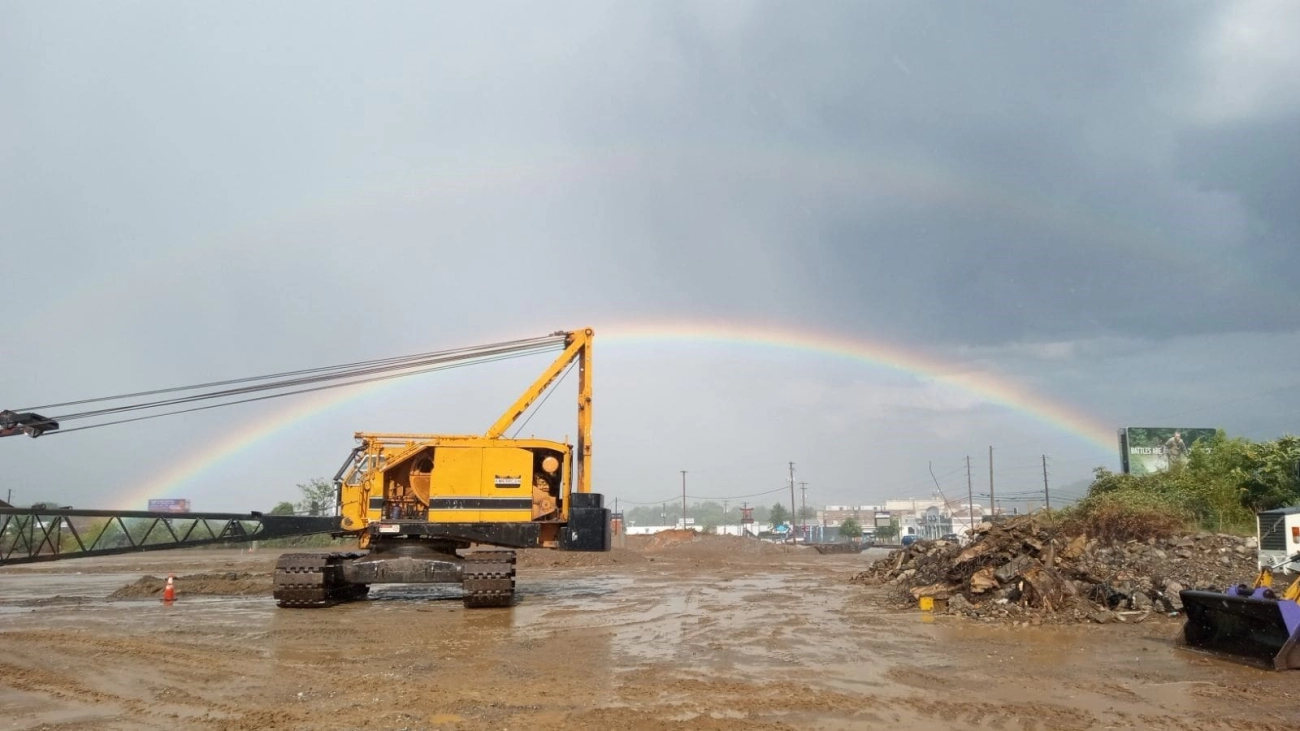
Ground improvement isn’t just about fixing weak soil—it’s a smart move for your project’s bottom line and long-term reliability. Here’s how it makes a difference:
Economic Advantages
- Lower upfront costs: You save money by improving the soil you already have, instead of hauling it away or bringing in new fill.
- Faster timelines: Most ground improvement methods work quickly, so your project stays on schedule.
- Reduced long-term maintenance: Stronger soil means fewer repairs and less downtime for your building or infrastructure.
Engineering Gains
- Better load distribution: Improved soils handle heavy loads more evenly, supporting foundations and structures.
- Improved drainage: Many techniques help water move away from your site, reducing flooding and water damage.
- Resilience to environmental loads: Enhanced ground stands up to earthquakes, floods, and other tough conditions, cutting down on risks.
Environmental Edge
- Reuse on-site materials: We work with what’s already there, which means less trucking and less waste.
- Minimize excavation waste: Less digging means less material sent to landfills.
- Support green building certifications: Sustainable ground improvement helps meet LEED and other green standards.
Quantified Benefits
- Cuts settlement by up to 80 percent (per ASCE standards)
- Boosts bearing capacity for heavier structures
- Reduces liquefaction risk in seismic zones
Sunzo’s Approach
At Sunzo, we tailor ground improvement solutions to match your project needs and environmental goals. Our methods deliver all these benefits—without sacrificing sustainability or performance. If you want your site to be stable, eco-friendly, and cost-effective, our team knows how to make it happen.
Common Ground Improvement Techniques Matching Methods to Site Needs
When it comes to ground improvement, picking the right method is all about matching the technique to your site’s soil type, project size, and budget. Here’s a quick guide to the most effective ground improvement solutions we use in the United States.
Densification
- Vibro Compaction and Stone Columns
We use vibro compaction to densify loose, granular soils—think sand or gravel. Stone columns are added for extra support. This is a go-to for warehouse floors, industrial sites, and anywhere you need to boost bearing capacity and cut settlement risks.
Reinforcement
- Deep Soil Mixing and Jet Grouting
For soft clays or fill material, deep soil mixing and jet grouting chemically stabilize the soil. This keeps buildings like high rises from shifting or settling over time.
Impact-Based Methods
- Dynamic Compaction
If you’re dealing with large sites or prepping for heavy infrastructure, dynamic compaction uses heavy weights to compact soil layers. It’s especially useful for controlling liquefaction in seismic zones.
Drainage Solutions
- Prefabricated Vertical Drains
These drains speed up consolidation in soft soils, making them perfect for highway embankments or landfill sites where you need to move fast and keep settlement in check.
Temporary Stabilization
- Ground Freezing
For tunneling or underground work in wet conditions, ground freezing gives temporary stability. It’s a smart solution for tricky jobs where water is a challenge.
Selection Criteria at a Glance
| Soil Type | Project Scale | Budget | Recommended Technique |
|---|---|---|---|
| Granular (sand) | Medium-Large | $$ | Vibro Compaction, Stone Columns |
| Soft Clay | Small-Large | $$-$$$ | Deep Soil Mixing, Jet Grouting |
| Mixed Fill | Large | $$ | Dynamic Compaction |
| Saturated soils | Medium-Large | $-$$ | Vertical Drains |
| Wet tunneling | Small-Medium | $$$ | Ground Freezing |
Sunzo Integration
At Sunzo, we specialize in hybrid ground improvement techniques. By blending vibro compaction with deep mixing, we tackle tough soil problems and deliver stable, cost-effective foundations. Our approach ensures you get the best results for your site without compromising on sustainability or speed.
Curious about how these methods work in real projects? Check out our ground improvement project portfolio for more details.
When and Where Ground Improvement Shines Real World Applications
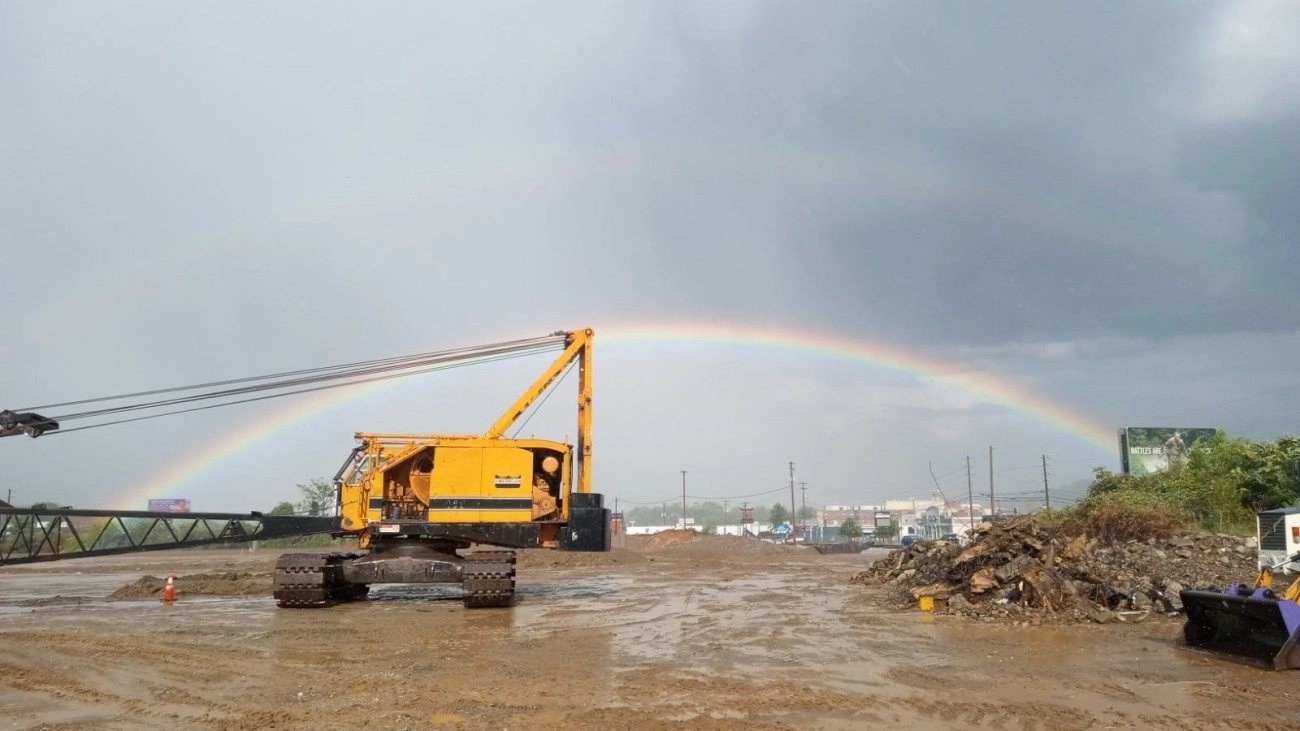
Ground improvement really shows its value in tough spots. We see it used all over the United States, especially when the soil isn’t up to the job for new builds or upgrades. Here’s where ground improvement makes the biggest impact:
Core Scenarios
- Urban infill – Tight city lots with questionable soils
- Marginal brownfields – Land with old contamination or fill
- Infrastructure – Bridges, highways, rail, and airports
- Industrial ports – Heavy loads, soft ground, water nearby
- Landfills – Settlement control for waste sites
Sunzo Case Studies
We’ve worked on projects like stabilizing a coastal site for a mixed-use tower. The ground was soft and tidal, but our tailored soil stabilization techniques reduced settlement risks and gave the foundation support it needed. Our approach cut settlement by over 70%, keeping the building safe and level.
Emerging Trends
- Climate resilient designs – Handling flood zones, hurricanes, and changing groundwater
- AI optimized site assessments – Faster, smarter soil data for better decisions
Risks of Skipping Ground Improvement
If you skip ground improvement, you’re rolling the dice. Here’s what can go wrong:
- Leaning structures
- Cracked foundations
- Pavement failure on roads and runways
- Historical cases of bridges tilting or sinking
At Sunzo, we know how to match the right ground improvement method to your site. We keep your project on track, avoid costly surprises, and help you build with confidence.
Choosing the Right Partner for Ground Improvement
When it comes to ground improvement, the partner you choose makes all the difference. At Sunzo, we take a purpose-driven approach to every project, making sure your site gets exactly what it needs—nothing more, nothing less.
How We Evaluate Your Site
- Site Investigation: We start with a thorough site investigation using the latest geotechnical soil modification tools. This gives us a clear picture of your soil’s strengths and weaknesses.
- Feasibility Analysis: Next, we look at your project goals, budget, and timeline to see what ground improvement techniques will work best—whether that’s vibro compaction, deep soil mixing, or a hybrid method.
- Design and Build: We design a custom solution that enhances bearing capacity, reduces settlement risks, and supports your foundation needs. Then, our team handles the build, keeping your project moving smoothly from start to finish.
Why Choose Sunzo
- Proven Experience: We’ve helped clients across the United States, from urban infill to industrial ports, using soil stabilization techniques that stand up to real-world demands.
- Proprietary Technology: Our in-house tech means faster results, better quality control, and cost savings for you.
- Nationwide Reach: No matter where you’re building, we have teams ready to respond quickly with local know-how.
- Post-Install Monitoring: We don’t just walk away when the job’s done. Sunzo offers post-install monitoring to make sure your ground improvement solution keeps performing over time.
Let’s Talk About Your Project
Ready to boost your site’s stability and cut down on risks? Contact Sunzo for a free consultation. We’ll help you find the right ground improvement solution for your project—no guesswork, no hassle.
 English (South Africa)
  English (United States)
  Vietnamese
  Malay
Malay  French
  Spanish
  Indonesian
  Russian
  Arabic
  Thai
Thai  Panjabi
  Portuguese
  Afrikaans
  Amharic