
The Fundamentals What Ground Improvement Really Means for Your Projects
Wondering what ground improvement really means for your construction projects? Simply put, it’s about making the soil stronger, more stable, and better suited to carry your building’s weight. As a general contractor, knowing when to consider ground improvement can save you time, money, and future headaches.
Core Benefits of Ground Improvement
- Foundation settlement control: Prevent costly uneven settling that can damage your structures.
- Improved soil bearing capacity: Stronger ground means safer, more durable foundations.
- Reduced construction delays: Address weak or loose soil early to keep your schedule on track.
- Cost efficiency: Sometimes ground improvement costs less than expensive foundation redesigns or repairs.
When to Trigger Ground Improvement
Keep an eye out for these red flags during your geotechnical site assessment:
- Soft, loose, or highly compressible soil layers
- High water table or risk of liquefaction (especially in earthquake-prone zones)
- Previous history of foundation settlement in nearby sites
- Local regulations requiring soil stabilization techniques for certain soil types
For example, a recent project involved soil with instability issues near a river. Early ground improvement with aggregate piers installation corrected the soil density and prevented foundation problems later on.
Understanding these fundamental points helps you decide when to call in ground improvement pros. Getting this right from the start protects your project and your bottom line.
Site Assessment Essentials Spotting When and Where Ground Improvement Is Needed
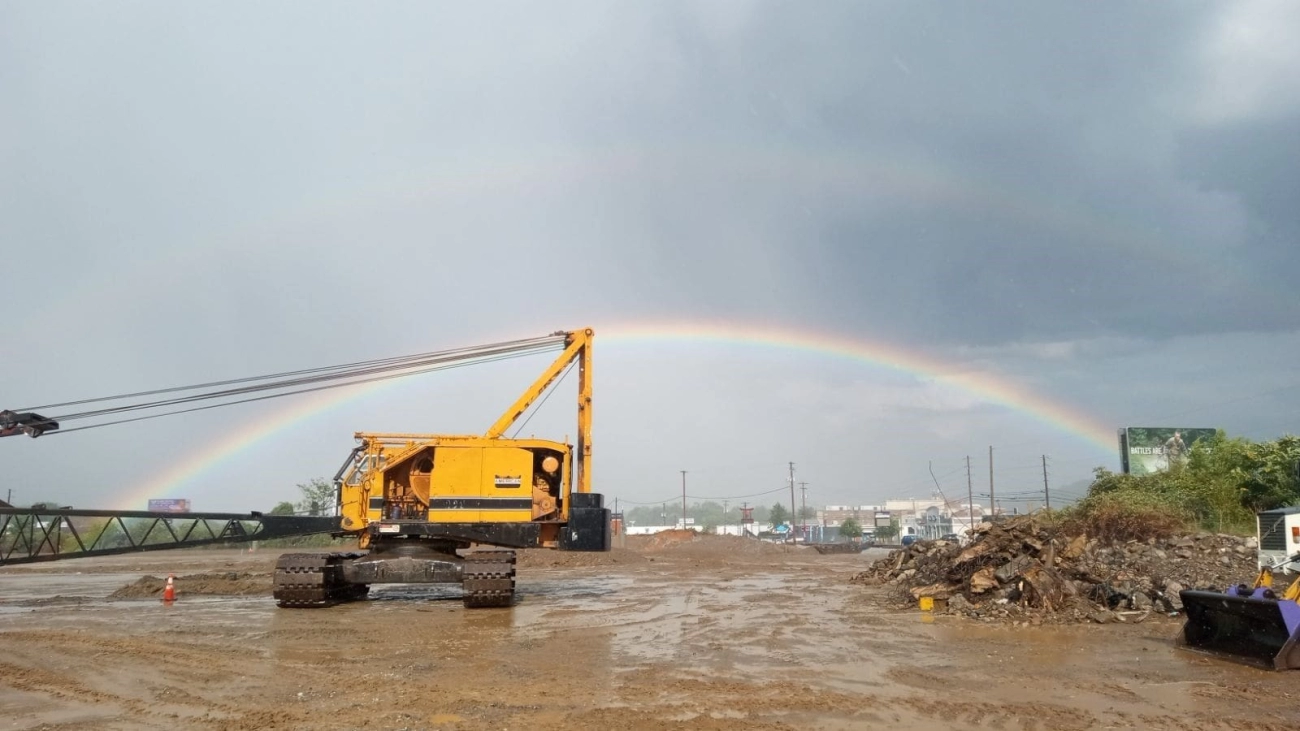
Before any ground improvement work starts, a solid geotechnical site assessment is a must. This helps you figure out if soil stabilization techniques or construction ground densification are necessary. Local soil conditions vary a lot across the U.S., so understanding local soil improvement regulations and habits is key.
Here’s what we focus on during site assessment:
- Identifying soft spots or loose soil that might cause foundation settlement
- Checking for potential liquefaction risks, especially in seismic areas, and if wick drains or deep soil mixing methods are needed
- Estimating the cost impact early, based on local material availability and equipment needs, like aggregate piers installation or vibro compaction
For example, on a recent project in the Midwest, loose sandy soil triggered the need for vibro compaction contractors to stabilize the site. Early assessment saved weeks of costly delays and helped keep the bid within budget.
Knowing when and where to apply ground improvement protects your investment and keeps the project moving on schedule.
Key Methods Demystified Matching Techniques to Your Job Site
When it comes to ground improvement, picking the right method can make or break your project. It’s not one-size-fits-all — the local soil type, site conditions, and project goals all play a part. Here’s a quick rundown of the common techniques we see on US job sites and what equipment they use:
-
Aggregate Piers Installation
Great for stabilizing soft soils, aggregate piers are columns of compacted gravel that help support foundations and control settlement. The equipment is pretty straightforward – vibratory rammers and specialized pier installation rigs. This method fits well in areas with loose, compressible soils.
-
Deep Soil Mixing Methods
This technique blends cement or other binders deep into the soil to create stronger, more stable ground. Large mixing rigs with rotating blades do the job. It’s ideal in urban sites where you want minimal vibration and noise but need solid foundation settlement control.
-
Vibro Compaction and Construction Ground Densification
Vibro compaction uses a vibrating probe to densify sandy soils and reduce liquefaction risks. Contractors rely on vibroflotation rigs here. It’s popular around the coasts and flood-prone areas where loose, granular soils are common.
-
Wick Drains for Liquefaction Mitigation
Wick drains speed up water drainage from soft soils, helping the ground settle faster and stronger. Installation involves inserting prefabricated vertical strips using specialized equipment. This method is especially useful in wetlands and reclaimed land sites.
-
Soil Stabilization Techniques
This is more of a catch-all approach, from chemical additives to mechanical mixing, to improve soil properties. Equipment varies widely depending on the chosen method but can include spreaders, mixers, and rollers. It’s a flexible option when dealing with various soil challenges.
Every job site needs a method tailored to its soil makeup and project demands. Matching the right technique with your site conditions and desired outcomes ensures a safer, smoother foundation. We make sure to assess local soil reports and recommend equipment that fits the job, saving you time and avoiding costly surprises.
Seamless Project Integration Bidding Timelines and Risk Management
When it comes to ground improvement, timing and risk management are key. As a general contractor, understanding how ground improvement fits into your project schedule can save you headaches and delays.
Here’s what you need to keep in mind:
-
Bidding Timelines: Ground improvement work like aggregate piers installation or deep soil mixing methods can add extra steps to your timeline. Make sure your bid allows enough time for geotechnical site assessment and construction ground densification. Don’t rush these early stages—they’re crucial for avoiding costly fixes later.
-
Risk Hotspots: Watch out for common risk zones such as soft soils prone to foundation settlement or areas needing liquefaction mitigation with wick drains. Identifying these early helps minimize surprises during construction.
-
Local Regulations: Every state and county has its own soil improvement regulations. Staying up-to-date ensures that your project passes inspections without a hitch. Check with local agencies about permits required for soil stabilization techniques and vibro compaction contractors.
-
Coordination: Ground improvement work is often specialized. Coordinate closely with your geotech subcontractors during the bid evaluation to understand their process and equipment needs. This helps align ground improvement timelines with your overall schedule smoothly.
By keeping these points in focus, you can integrate ground improvement into your projects without unnecessary delays or risks. It’s all about smart planning and clear communication.
Partnering for Success Why Expertise Matters and How to Choose a Ground Improvement Pro
Choosing the right ground improvement contractor can make or break your project. Expertise matters because ground improvement involves complex soil stabilization techniques like deep soil mixing methods or aggregate piers installation that directly affect foundation settlement control. Here’s what every general contractor should keep in mind:
General Contractor Checklist for Picking the Right Pro
- Experience with Local Soil Improvement Regulations: Make sure the pro understands your area\’s specific rules and standards.
- Proven Track Record: Look for past projects similar to yours, especially those involving construction ground densification or wick drains liquefaction mitigation.
- Equipment and Techniques Match Your Project: They should offer solutions like vibro compaction contractors or consolidation grouting tailored to your site.
- Clear Bid Evaluation: Check their bids thoroughly for transparency and alignment with your budget and timeline.
- Safety and Risk Management: Verify their compliance with safety protocols and risk mitigation plans.
Red Flags to Watch Out For
- Vagueness about methods or equipment used
- Unrealistically low bids that might hide corner-cutting
- Lack of references or poor communication
- No knowledge of geotechnical site assessment
Sunzo Spotlight
At Sunzo, we combine deep industry knowledge with advanced ground improvement solutions, helping you navigate local soil challenges smoothly. Whether it\’s aggregate piers installation or deep soil mixing, we’re focused on making your foundation stable and your schedule predictable. Check out our ground improvement projects for real-world results and see why partnering with the right experts matters.
Partner with a pro who understands the soil beneath your project and can bring the right tools and experience to the table. It saves time, money, and headaches in the long run.
 English (South Africa)
  English (United States)
  Vietnamese
  Malay
Malay  French
  Spanish
  Indonesian
  Russian
  Arabic
  Thai
Thai  Panjabi
  Portuguese
  Afrikaans
  Amharic