
If you’re dealing with weak soils or planning a major construction project, understanding the classification of ground improvement techniques isn’t just useful — it’s essential. Choosing the right method can mean the difference between a solid foundation and costly delays or failures. From mechanical compaction to chemical stabilization and innovative inclusion methods, the options are vast but knowing how they’re categorized helps you make smarter, faster decisions. In this guide, we’ll break down these techniques clearly, so you get the insight you need to build safer, stronger, and more efficiently. Ready to unlock the full potential of your site? Let’s get started.
Understanding the Need When and Why Classify Ground Improvement Techniques
Soils vary widely in their composition and behavior, posing different challenges for construction projects. Common soil challenges include weak cohesion, high compressibility, excessive moisture, and susceptibility to settlement or liquefaction. These risks can lead to foundation failures, uneven settlements, or instability, making it essential to identify the right ground improvement method.
Classifying ground improvement techniques helps engineers and contractors systematically address these issues. It allows for a clear understanding of soil types—such as clay, silt, sand, or peat—and their failure modes. This classification streamlines the selection of effective, project-specific solutions, balancing performance, cost, and environmental concerns.
At Sunzo, our geotechnical assessment approach begins with a detailed evaluation of subsurface conditions, identifying soil parameters that influence our choice of ground improvement methods. For example, comparing untreated soil samples to enhanced ones demonstrates significant improvements in strength, stiffness, and permeability after treatment. This visual evidence ensures the right technique is matched to the soil and project demands, reducing risk and improving long-term stability.
For more on our assessment methodology and project-specific solutions, visit our ground improvement contractor page.
Core Classifications of Ground Improvement Techniques
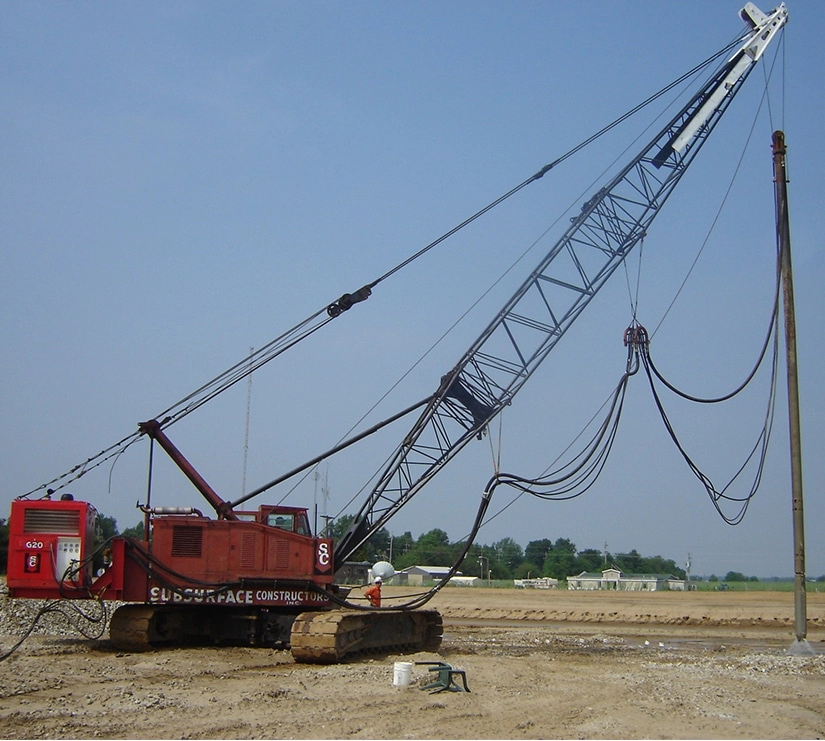
One of the main ways we classify ground improvement techniques is through mechanical modification, which focuses on physically densifying soil using force. This approach is all about improving soil strength, reducing settlement, and enhancing stability by rearranging soil particles.
Mechanical Modification Description and Key Methods
Mechanical modification works by applying dynamic loads or vibrations to compact loose soils. The goal is to increase soil density and eliminate voids without changing the soil’s chemistry. Common methods include:
- Vibro-compaction: Using a vibrating probe to rearrange granular soils like sands and gravels.
- Dynamic compaction: Dropping heavy weights to densify loose fills or fill soils.
- Rolling and tamping: Usually for shallow soils in small projects.
- Rammed aggregate piers: Creating stiff columns inside soft soils by compacting stone.
Applications
This technique is ideal for:
- Loose sandy soils in highway embankments
- Airport runways on granular materials
- Sites needing quick settlement reduction and higher load-bearing capacity
Pros and Cons
Pros:
- Cost-effective for sandy soils
- Fast implementation with minimal disturbance
- Proven success in road and airport projects
Cons:
- Less effective on clay or silt soils
- Depth of improvement is limited compared to other methods
- Requires careful control to avoid nearby structure damage
Sunzo Highway Embankment Case
At Sunzo, we recently used vibro-compaction on a highway embankment project in the Midwest. The soil was mostly loose sand with a history of settlement issues. By applying vibro-compaction, we increased soil density by over 30%, reducing settlement risks and supporting heavier traffic loads safely.
Visual diagram of vibro-compaction (Here we show how the vibrating probe compacts soil, improving strength beneath the embankment.)
Understanding mechanical modification helps us pick the right ground improvement for projects where soil densification is key, especially in our U.S. roads and infrastructure.
Hydraulic Modification Managing Water for Soil Stability
Hydraulic modification focuses on controlling water within the soil to boost stability and speed up consolidation. This approach is key when dealing with soft or saturated soils that could weaken under heavy loads. By managing pore water pressure and drainage, hydraulic methods make the ground stronger and more reliable.
Key Methods
- Prefabricated Vertical Drains (PVDs): These drains are inserted vertically into soft soils to accelerate water removal, speeding up soil consolidation and settlement.
- Drainage Wells and Sand Drains: Used to channel water away from weak soil layers and improve strength.
- Surcharging and Vacuum Consolidation: Techniques that apply pressure or vacuum to squeeze out excess water.
Applications
- Runway and highway extensions where soft soil layers risk long-term settlement
- Reclamation projects where rapid ground improvement is needed
- Areas with high water tables needing faster drainage and soil strengthening
Pros and Cons
Pros:
- Speeds up soil consolidation and shortens construction timelines
- Cost-effective for large soft soil sites
- Improves long-term soil stability
Cons:
- Requires proper design to avoid uneven settlement
- Effectiveness depends on soil permeability
- May need temporary surcharge loading, adding to project complexity
Sunzo Runway Extension Case
For a recent runway extension, Sunzo used PVDs installed deep into soft subsoil layers. This method helped drain excess water quickly, ensuring the new runway settled uniformly and met safety standards faster than traditional waiting times.
Check out our water foundation treatment projects for more details
Here’s a simple visual of PVD installation showing vertical drains speeding up water removal:
![Visual of PVD installation cross-section]
Implementing hydraulic modification effectively helps keep your project on track by managing soil moisture and stability smartly.
Physical and Chemical Modification Altering Soil Chemistry
Physical and chemical modification techniques change the soil’s makeup to improve strength and stability. These methods often involve adding materials like lime, cement, or chemicals to alter soil properties, reduce moisture, and increase load-bearing capacity.
Key Methods
- Lime Stabilization: Ideal for clay soils, it reduces plasticity and improves stiffness.
- Cement Mixing: Involves blending cement with soil to create a stronger, more durable mass.
- Jet Grouting: Injects grout at high pressure to solidify weak soils.
- Chemical Additives: Various chemicals can improve soil structure and reduce permeability.
Applications
- Road bases and embankments on soft soils
- Urban redevelopment on contaminated or weak soils
- Foundations requiring increased bearing capacity
- Managing shrink-swell behavior in expansive clays
Pros
- Significant strength improvement
- Durable and long-lasting
- Effective for a variety of soil types
- Reduces settlement and swelling risks
Cons
- Can be expensive depending on materials used
- Requires specialized equipment
- Some chemicals may have environmental concerns
- Not always suitable for very granular soils
Sunzo Urban Brownfield Remediation Case
In an urban brownfield project, we applied lime stabilization combined with targeted jet grouting to transform poor-quality soil into a reliable foundation. This method improved shear strength by over 40%, helping us meet strict site requirements efficiently.
| Test Parameter | Untreated Soil | Improved Soil |
|---|---|---|
| Shear Strength (kPa) | 50 | 70 |
| Plasticity Index (%) | 35 | 15 |
| Moisture Content (%) | 28 | 18 |
This before-and-after comparison highlights how physical and chemical modification can rewrite the soil’s behavior, ensuring long-term performance for projects in challenging urban settings.
Check out more on land soil improvement for detailed insights into these techniques and their benefits.
Modification by Inclusion and Confinement Reinforcing with Elements
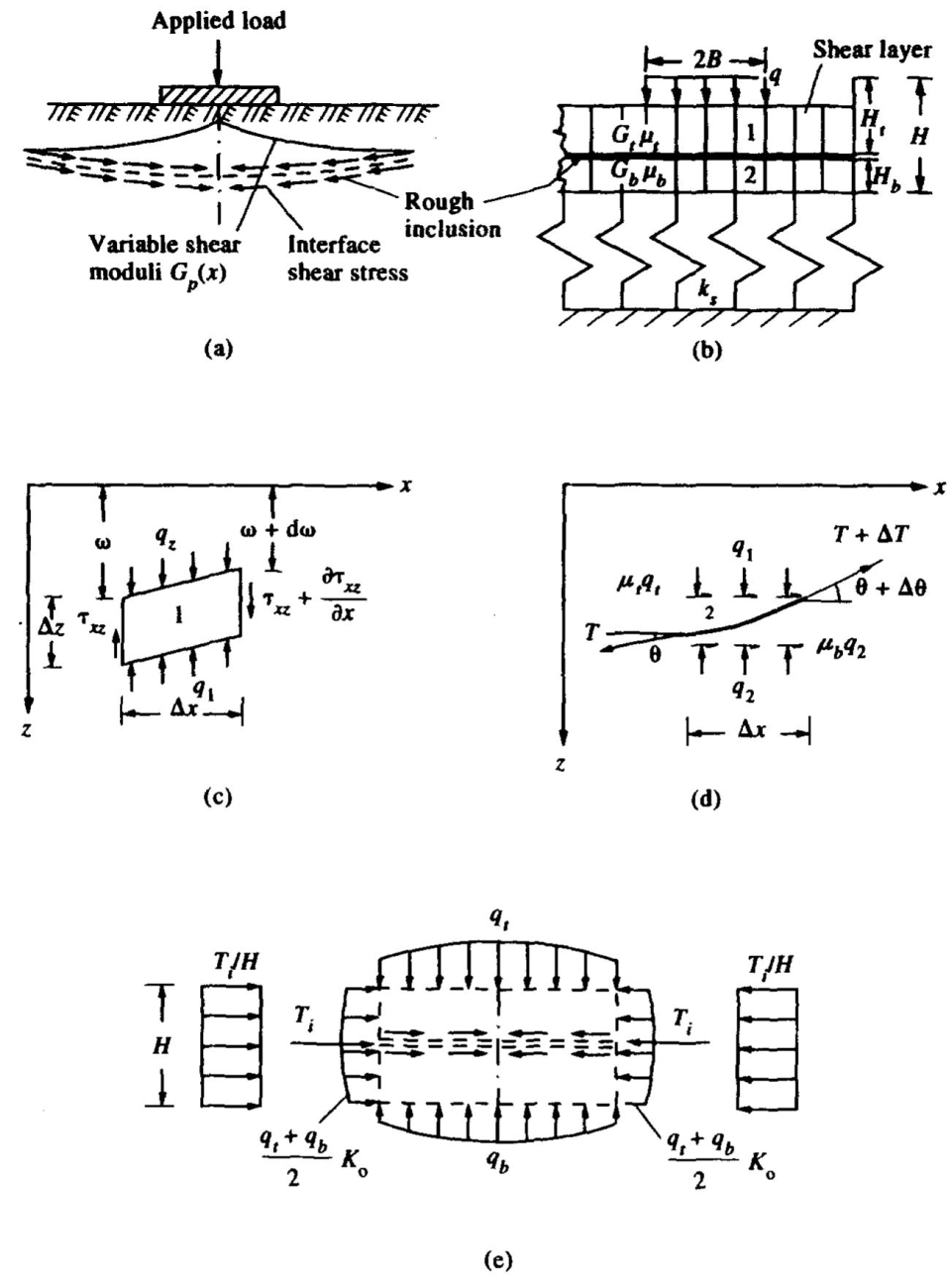
This method strengthens soil by adding solid elements that improve its load-bearing ability. Common key methods include stone column installation, geosynthetic reinforcement, and soil nailing. These elements either replace weak soil or confine it to prevent movement, boosting stability and reducing settlement.
Key Methods
- Stone Columns: Cylindrical columns of compacted gravel or crushed stone inserted into soft soil to provide reinforcement and drainage.
- Geosynthetics: Synthetic materials like geogrids or geomembranes laid within soil layers to strengthen and confine soil.
- Soil Nailing: Installing steel bars into slopes or excavations to hold soil in place.
Applications
- Ideal for soft clay and loose sandy soils.
- Widely used for bridge foundations, embankments, and slope stabilization.
- Great for urban projects requiring minimal disruption.
Pros
- Increases bearing capacity and reduces settlement.
- Can be installed quickly with minimal noise.
- Helps control and drain excess water when combined with stone columns.
Cons
- Not suitable for very hard soils.
- Installation can be equipment-intensive.
- Cost may be higher than simpler ground improvement methods.
Sunzo Bridge Foundation Case
At one of our bridge foundation projects, we used stone column installation to reinforce soft soils under the piers. This method improved load support while speeding up construction and reducing settlement risks. The result was a safer foundation with long-lasting performance.
Visual infographic: Stone columns arranged beneath a bridge pier, showing improved soil strength and drainage paths.
This technique is a strong choice when you need reliable reinforcement paired with drainage benefits, especially in the varied soil conditions common across the U.S. infrastructure projects.
Selecting the Right Technique Factors and Best Practices
Choosing the right ground improvement technique is key to a successful project. At Sunzo, we start by understanding the soil profile and project constraints. Things like soil type, depth, groundwater conditions, and load requirements all influence which method works best.
Here’s our simple decision framework:
- Soil type: Sandy soils respond well to mechanical densification like vibro compaction. Clays may need chemical modification like lime stabilization.
- Project constraints: Time, budget, and space limit options. For tight urban sites, methods like deep soil mixing or jet grouting are often ideal.
- Cost vs effectiveness: We weigh upfront costs and long-term benefits to find the best value.
- Environmental impact: Sustainability matters more today. We prioritize techniques with a smaller carbon footprint and less disturbance.
- Hybrid methods: Sometimes combining approaches, like stone columns with prefabricated vertical drains, gives better results.
We also use the latest tech like BIM modeling to visualize and plan ground improvement. This helps catch issues early and optimize construction phases.
At Sunzo, our approach is about picking the right, cost-effective solution based on site data and project goals—no one-size-fits-all answers here.
Real World Applications and Sunzo Success Stories
At Sunzo, our ground improvement techniques have played a key role in shaping safe and durable infrastructure across the U.S. From highways to urban developments, we’ve helped tackle challenging soil issues with proven results.
Infrastructure and Urban Development Examples
- Highway Embankments: Using vibro compaction, we stabilized loose sandy soils for smoother, longer-lasting roads.
- Airport Runways: Our use of prefabricated vertical drains sped up the consolidation of soft clays, enabling faster runway expansions.
- Urban Brownfields: We applied chemical stabilization methods like lime treatment to clean up contaminated sites and prepare them for new construction.
- Bridge Foundations: Stone column installations reinforced weak soils, improving load capacity and reducing settlement risks.
Sunzo Project Highlights
- Reduced ground settlement by up to 60% on major highways using mechanical modification.
- Shortened airport runway extension timelines by 30% with hydraulic modification techniques.
- Enhanced urban soil strength by 50% after chemical treatments in redevelopment projects.
- Improved foundation stability on key bridges, ensuring safety and longevity.
Performance Metrics
We track success with real data: settlement rates, strength improvements, and project completion times all show that the right ground improvement technique leads to safer, faster, and more cost-effective projects.
Get in Touch
Looking for ground stabilization methods that fit your project needs? Contact Sunzo today. We’re ready to help you turn tough soil challenges into solid success.
 English (United States)
  Vietnamese
  Malay
Malay  French
  Spanish
  Indonesian
  Russian
  Arabic
  Thai
Thai  English (South Africa)
  Panjabi
  Portuguese
  Afrikaans
  Amharic