 跳至内容
跳至内容 
Did you know that poor soil conditions account for nearly 20% of foundation failures in construction? If you’re a structural engineer, mastering the essentials of ground improvement techniques isn’t just a technical advantage—it’s a game-changer for project stability, cost savings, and risk reduction. Whether you’re facing settlement issues, liquefaction risks, or just want to optimize your foundation design, understanding how to leverage soil stabilization and bearing capacity enhancement can help you turn challenging sites into buildable opportunities. In this guide, you’ll discover exactly what structural engineers should know about ground improvement—from interpreting geotechnical reports to choosing the right methods for your next project. Ready to transform your approach and deliver more resilient, cost-effective structures? Let’s get started.
Understanding the Need When and Why Ground Improvement Matters for Structural Design
Why Ground Improvement Is Critical for Structural Engineers
As a structural engineer, knowing when and why ground improvement is necessary can make or break a project. Marginal soils—like loose sands, soft clays, or fill—can threaten the safety, serviceability, and lifespan of your structure. If left untreated, these soils can lead to:
- Excessive settlement causing uneven floors or cracked walls
- Low bearing capacity risking foundation failure
- Liquefaction in seismic zones, putting buildings at risk during earthquakes
- Poor drainage or high permeability leading to water infiltration and instability
Common Soil Issues and Their Structural Impact
Here’s a quick rundown of soil problems that can impact your design:
| Soil Issue | Structural Impact | Typical Solution |
|---|---|---|
| Loose granular soils | Settlement, vibration issues | Densification, stone columns |
| Soft clays and silts | Bearing failure, excessive movement | Aggregate piers, grouting |
| Fill or uncontrolled backfill | Unpredictable performance | Soil replacement, reinforcement |
| High water table | Instability, corrosion | Permeability reduction, drainage |
Reading the Geotechnical Report Key Parameters to Watch
The geotechnical report is your roadmap for site soils. Look for:
- Standard Penetration Test (SPT) N-values: Low numbers signal weak soils
- Atterberg limits and plasticity index: High values mean compressible clays
- Moisture content and density: High moisture, low density = potential settlement
- Shear strength and bearing capacity: Directly affects foundation type selection
Tip: If you see “marginal” or “problematic” soils flagged, ground improvement should be on your radar.
Ground Improvement Versus Alternatives Cost, Time, and Environmental Impact
When faced with poor soils, you generally have three choices:
- Excavate and replace: High cost, long timeline, major environmental footprint
- Deep foundations (piles): Reliable but expensive, deeper construction
- Ground improvement: Fast, cost-effective, minimal disruption
Ground improvement stands out for:
- Lower costs (up to 30% savings over deep foundations)
- Shorter schedules (weeks instead of months)
- Smaller carbon footprint (less material hauled and disposed)
For more on deep foundation alternatives, check out our overview on pile foundation engineering projects.
Case Study Teaser Aggregate Piers for Smaller Footings
Imagine a commercial building with soft clay soils. Instead of switching to costly piles, we installed aggregate piers—quickly improving bearing capacity and enabling spread footings. This cut costs and simplified the design. Stay tuned for a full case study in our next section.
Key takeaway: Ground improvement isn’t just a technical fix—it’s a strategic choice that can save money, time, and headaches for structural engineers.
Core Ground Improvement Techniques A Structural Engineer Toolkit
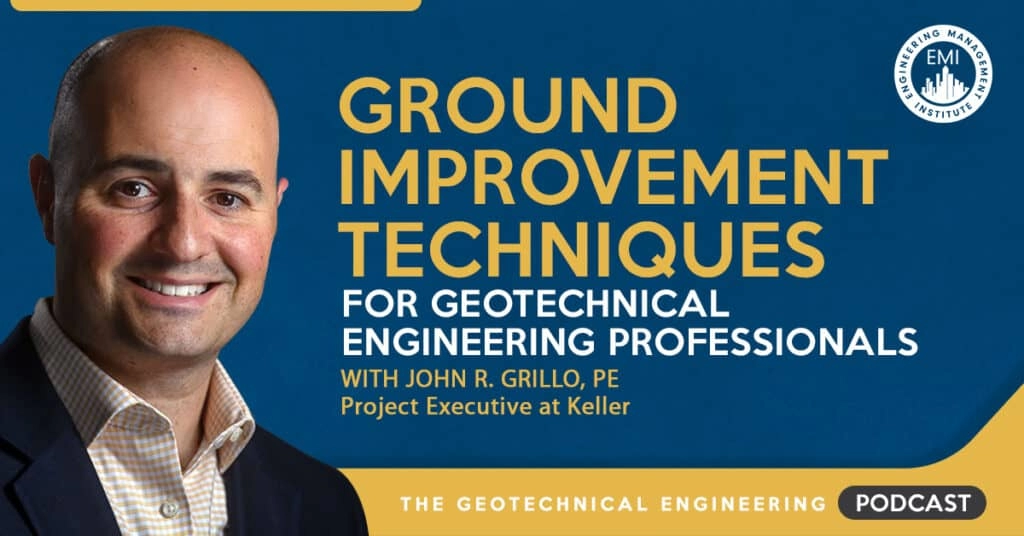
When you’re dealing with tough soils, knowing your ground improvement options is key. Here’s what every structural engineer should know about ground improvement methods that actually work in the US market.
Mechanical Densification for Granular Soils and Seismic Mitigation
- Vibro compaction: Best for loose, sandy soils. We use powerful vibrators to shake the soil, making it denser and less likely to settle or liquefy during earthquakes.
- Dynamic compaction: Dropping heavy weights from height. Works well on larger sites and helps with shallow foundation optimization.
- Rapid impact compaction: Fast, efficient, and often used for parking lots or slabs on grade.
These soil stabilization techniques are go-tos for improving bearing capacity and handling liquefaction risk, especially in areas like California or the Gulf Coast.
Reinforcement Techniques Aggregate Piers, Stone Columns, and Rigid Inclusions
- Aggregate piers: We install compacted stone columns to reinforce weak soils. Great for supporting foundations without going deep. Aggregate piers for foundations are a game-changer for small to mid-sized buildings.
- Vibro stone columns: These are similar but use vibrating probes to install gravel or crushed stone. They improve drainage and settlement control engineering. Our proprietary Sunzo system is a leading choice for this.
- Rigid inclusions: Think of these as stiff columns (often concrete) that transfer loads through soft soils to firmer layers below. Perfect for heavy structures or where deep foundation alternatives are needed.
Chemical and Grouting Methods for Permeability and Strength
- Cement grouting: Injecting cement into the ground to fill voids and bind soils. Used for bearing capacity enhancement and to limit water flow.
- Permeation and chemical grouts: These flow into fine soils to reduce permeability and add strength—helpful for controlling groundwater and stabilizing tricky sites.
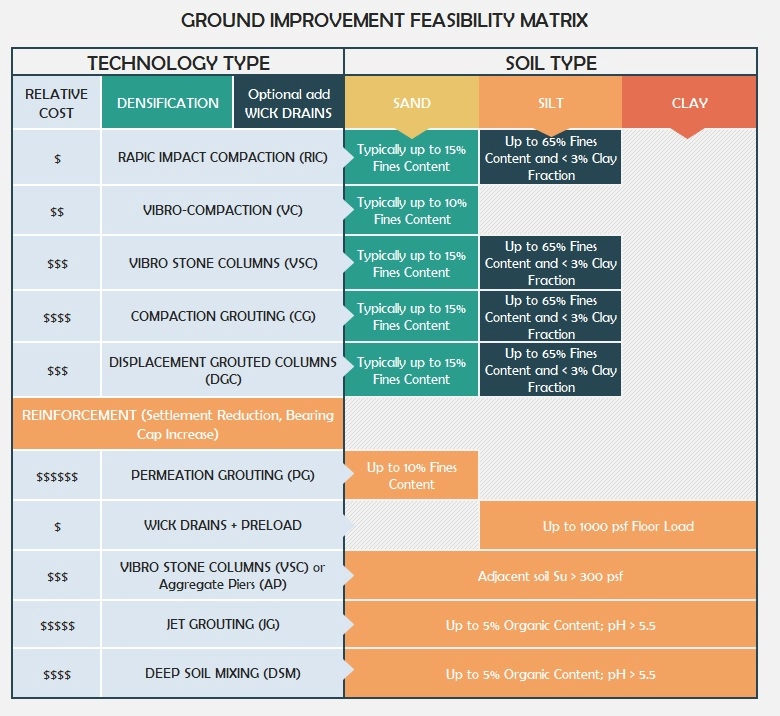
Choosing the Right Ground Modification Method
Picking the best ground improvement method depends on:
| Soil Type | Load Requirements | Settlement Limits | Best Technique |
|---|---|---|---|
| Loose sand | Light to medium | Moderate | Vibro compaction, stone columns |
| Soft clay | Medium to heavy | Tight | Aggregate piers, rigid inclusions |
| Silty soils | Light | Moderate | Chemical grouting |
| Fill/urban soils | Variable | Variable | Dynamic compaction, deep piers |
Pro tip: Always check the geotechnical report for soil conditions and use it as your guide for ground modification method selection.
In short, knowing these ground improvement techniques gives you more options to design safer, more cost-effective foundations. With the right approach, you can often avoid deep foundations, cut costs, and keep your project on schedule.
Integrating Ground Improvement into Structural Design and Specifications
When you’re planning a project, ground improvement isn’t just an add-on—it’s a chance to get more value and better performance from your foundation design. Here’s what structural engineers should know about ground improvement when it comes to design and specs:
Teamwork with Geotechnical and Specialty Contractors
- Early collaboration pays off. Work with geotechnical engineers and ground improvement contractors from the start.
- Get clear performance specs—like target bearing capacity, allowable settlement, and liquefaction mitigation. This keeps everyone on the same page and avoids surprises.
- Use value engineering to find the best soil stabilization technique for your site. Sometimes aggregate piers or vibro stone columns can cut costs and time compared to deep foundations.
Design Calculations and Software Tools
- Update your design calculations to reflect the improved soil properties. This is key for shallow foundation optimization.
- Use modern software tools (like PLAXIS, Settle3, or Slope/W) to model settlement control, bearing capacity enhancement, and ground modification methods.
- Always check the geotechnical report interpretation against your design assumptions.
Foundation Optimization
- With better soils, you can often switch from deep foundations to spread footings—saving on materials and labor.
- Ground improvement lets you reduce concrete and steel usage while meeting code requirements.
- Compare costs, time, and environmental impact of ground improvement versus alternatives.
Pro Tip Load Testing
- Always validate your design with load testing on the improved ground. This confirms you hit the performance specs and helps you sleep at night.
- Load tests are also a selling point for owners and inspectors—they show your design is solid.
By bringing ground improvement into your specs and calculations, you make smarter choices that save money, speed up construction, and deliver a more reliable foundation.
Construction Monitoring and Risk Management in Ground Improvement
When it comes to ground improvement, how you monitor construction and manage risks makes all the difference. Here’s what every structural engineer should know about ground improvement during this phase:
Design Build Process Essentials
- Phased Approach: Break the work into clear phases—design, pre-construction, installation, and verification. This keeps everyone on the same page and helps spot issues early.
- Submittal Reviews: Don’t skip the paperwork. Review and approve submittals from your ground improvement contractor. This includes plans, material specs, and installation methods for things like aggregate piers or vibro stone columns.
Monitoring Techniques That Matter
- In Situ Testing: Use real-time field tests (like CPT, SPT, or plate load tests) to check soil stabilization and verify that ground modification methods are working as planned.
- Daily Logs: Keep track of installation depth, spacing, and materials for each ground improvement element. This is key for quality control and future reference.
- Third-Party Verification: Bring in an independent inspector if needed to confirm compliance with project specs.
Risk Mitigation Strategies
- Seismic Considerations: For areas prone to earthquakes, use ground improvement techniques aimed at liquefaction mitigation and settlement control. Make sure to check local codes and best practices.
- Environmental and Regulatory Compliance: Always follow state and federal regulations for soil stabilization techniques. This includes managing spoils, groundwater, and emissions.
- Contingency Plans: Plan for the unexpected—like encountering unsuitable soils or groundwater—by having backup ground modification methods ready.
Quick Checklist for Structural Engineers
- Confirm all ground improvement specs are in the contract documents.
- Set up a monitoring plan with your contractor.
- Require regular progress updates and testing results.
- Review all reports before moving to the next phase.
Solid construction monitoring and risk management keep your project on track and help avoid surprises down the road. This is where a reliable ground improvement contractor can be a real asset.
Real World Applications and Sunzo Success Stories
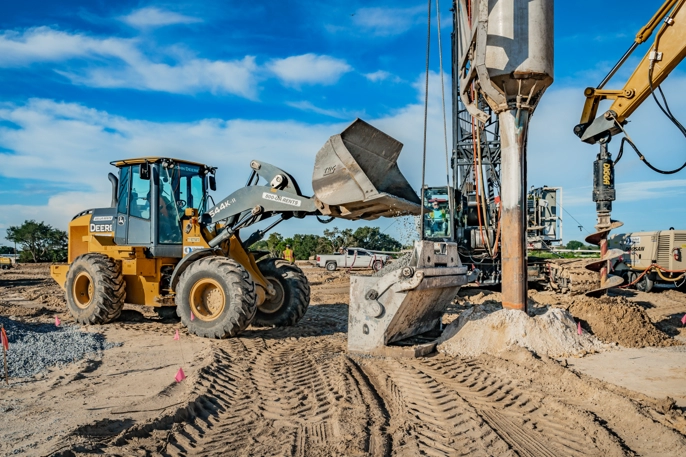
Ground Improvement in Action
Here’s how ground improvement makes a real difference for structural engineers and project owners across the U.S.
Commercial Projects
- We’ve helped retail sites and warehouses use aggregate piers for foundations, cutting down on deep foundation costs.
- Shallow foundation optimization lets owners use spread footings on marginal soils, saving concrete and steel.
Infrastructure Upgrades
- Our soil stabilization techniques have supported highway expansions and bridge approaches, controlling settlement and boosting bearing capacity.
- Vibro stone columns design is a game changer for embankments and retaining walls, especially in areas with poor fill.
Seismic Retrofit Projects
- Liquefaction mitigation strategies are key for older buildings in seismic zones. Our ground modification methods—like stone columns and grouting—reduce risk and improve safety.
Cost Benefit Analysis
We always focus on value. Here are some numbers from recent jobs:
- Warehouse in Texas: Aggregate piers cut foundation costs by 35% versus deep foundations.
- Bridge approach in California: Vibro stone columns trimmed construction time by 25%, keeping the project on schedule.
- Seismic retrofit in Oregon: Chemical grouting improved soil strength, avoiding $500,000 in excavation and replacement.
Sunzo Proprietary Vibro Stone Column System
Our vibro stone column system stands out for speed, reliability, and environmental benefits:
- Fast installation—typically done in days, not weeks.
- Settlement control engineering—keeps movement below limits, even on tough sites.
- Eco-friendly—uses clean stone, no chemical additives.
Why engineers choose Sunzo:
- Proven results in bearing capacity enhancement.
- Deep foundations alternatives for tight budgets.
- Reliable geotechnical report interpretation and project support.
If you’re looking for ground improvement methods that save money, time, and headaches, Sunzo delivers. Reach out to see how our team can help you solve soil challenges and keep your project moving.
Future Trends and Best Practices for Structural Engineers
When it comes to ground improvement, the field is evolving fast. As a contractor, here’s what I think structural engineers should keep on their radar to stay ahead.
Emerging Innovations in Ground Improvement
- Bio grouting is picking up steam. This uses natural processes to bind soils and can be a game changer for environmentally sensitive jobs.
- AI-optimized designs are helping us model soil behavior and plan ground modification methods with more accuracy. This means fewer surprises and tighter budgets.
- Smart monitoring tools are coming online, letting us track settlement and performance in real-time, not just after the fact.
Best Practices for Structural Engineers
- Stay close to the geotech report. Make sure you’re pulling all the right soil stabilization techniques and bearing capacity data before you lock in your design.
- Use a coordination checklist. It helps keep everyone—from engineers to specialty contractors—on the same page. Missed steps here can mean big delays.
- Get specific in your RFPs. Include clear specs for aggregate piers, vibro stone columns, or whatever ground improvement technique you’re after. It saves time in the bidding process and cuts down on change orders.
- Lean on performance specs. Focus on what you need (settlement limits, load capacity, etc.), not just how to get there. This gives contractors room to bring the best ground modification methods to the table.
- Plan for load testing. Always budget for it. It’s the best way to verify your design and make sure the improved ground will hold up.
Actionable Takeaways
- Review geotechnical report parameters early.
- Select ground improvement methods based on soil type and project needs.
- Include clear, measurable specs in your RFPs.
- Coordinate closely with ground improvement contractors.
- Budget for monitoring and load testing.
Staying on top of these trends and best practices will help you get the most out of ground improvement, keep projects on track, and deliver strong, reliable foundations for your clients.
 English (United States)
  Vietnamese
  Malay
Malay  French
  Spanish
  Indonesian
  Russian
  Arabic
  Thai
Thai  English (South Africa)
  Panjabi
  Portuguese
  Amharic