 跳至内容
跳至内容 
Why Ground Improvement Matters Solving Common Soil Challenges
If you’ve ever faced delays or budget overruns on a construction project because of unstable soil, you know how critical ground improvement is. Across the United States, many sites have soft, loose, or contaminated soils that simply can’t support heavy structures or infrastructure without intervention. That’s where ground improvement comes in—it’s all about making weak ground strong enough to support the demands of modern construction.
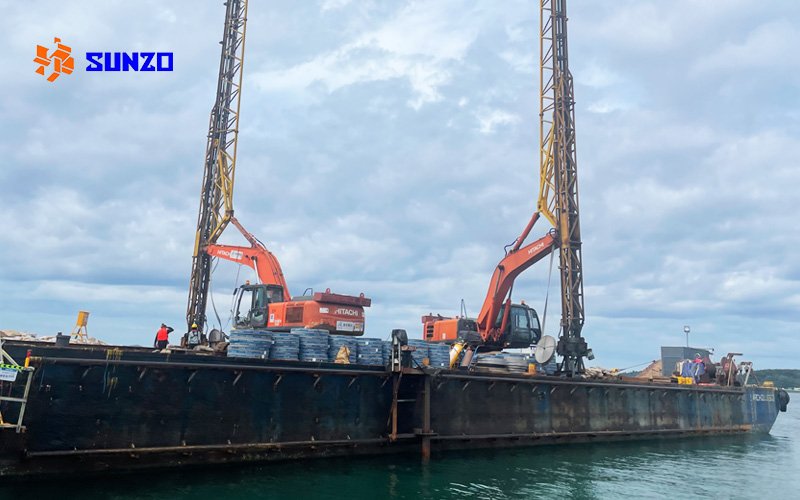
The Problems Ground Improvement Solves
Unstable soil isn’t just a headache. It can lead to foundation settlement, uneven floors, cracked walls, and even structural failure. Common challenges include:
- Low bearing capacity: Soil that can’t safely hold up buildings, bridges, or roads.
- High settlement potential: Risk of the ground sinking over time, causing structural damage.
- Liquefaction risk: In earthquake-prone areas, loose soils can behave like liquid, threatening stability.
- Poor drainage and water retention: Saturated soils can weaken foundations and lead to flooding.
- Environmental contamination: Some sites need remediation before construction can begin.
These issues affect everything from residential homes to large infrastructure projects. Ground improvement tackles them head-on, ensuring safety, longevity, and peace of mind.
Benefits Over Traditional Methods
Traditional solutions often mean deep foundations or massive excavation—both costly and time-consuming. Ground improvement offers smarter, more efficient alternatives:
- Cost savings: Targeted soil stabilization techniques reduce the need for expensive deep piles or extensive earthwork.
- Faster timelines: Many ground improvement methods are quicker to install, keeping projects on schedule.
- Flexibility: Solutions can be tailored to fit site-specific soil conditions, from aggregate piers installation to vibro compaction methods.
- Sustainability: Many techniques minimize environmental impact, like deep soil mixing and jet grouting applications that reduce waste.
- Performance: Improved bearing capacity and settlement control mean stronger, safer structures.
Curious how these methods work in practice? Check out our ground improvement contractor services for real-world solutions that transform challenging soils into reliable foundations.
What’s next? In the following section, we’ll break down the core principles of ground improvement and explain how these techniques deliver such impressive results. Are you ready to dig deeper into the science behind stable ground?
Core Principles of Ground Improvement How It Works
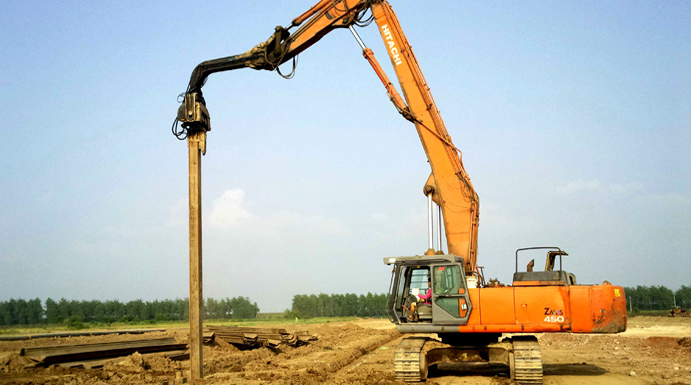
Ground improvement is all about making weak soil stronger and more reliable for building. Here’s how it works at the core:
Key Mechanisms
- Soil Stabilization Techniques: We use different methods to boost the strength and stability of the soil. This can mean adding materials, compacting, or using special treatments.
- Bearing Capacity Improvement: The main goal is to help the ground hold more weight, so your structures don’t settle or shift.
- Foundation Settlement Control: By improving the soil, we cut down on uneven settling, which is a big risk for homes, commercial buildings, and infrastructure.
- Liquefaction Mitigation Strategies: In areas prone to earthquakes, we use ground improvement to prevent soil from turning to liquid during shaking.
Site Assessment Basics
Before we start any ground improvement project, we look at a few key things:
- Soil Testing: We sample and test the soil to see what we’re working with—clay, sand, silt, or a mix.
- Site Conditions: We check for groundwater, load requirements, and any environmental concerns.
- Custom Solutions: Every site is different. We pick the right method, whether it’s aggregate piers installation, vibro compaction methods, or deep soil mixing process, based on your site’s needs.
If you want to see how we assess and plan real projects, check out our ground improvement project case studies.
Ground improvement is about smart, science-backed steps to make your soil work for you—safe, stable, and ready to build.
Top Ground Improvement Techniques A Breakdown
When it comes to ground improvement, there’s no one-size-fits-all method. Here’s a quick look at the main techniques we use to make weak soil stronger and safer for building.
Mechanical Methods
These are tried-and-true ways to physically change the soil’s structure:
- Dynamic compaction: Dropping heavy weights on the ground to densify loose soils. Great for big areas, and it helps with liquefaction mitigation.
- Vibro compaction: Using vibrating probes to compact granular soils. This boosts bearing capacity and controls settlement.
- Aggregate piers installation: Driving columns of stone into the soil to reinforce weak zones. This is a solid choice for supporting foundations and reducing settlement.
Reinforcement Techniques
Here, we add materials to the ground to make it stronger:
- Geosynthetics: Laying down geotextiles or geogrids to stabilize slopes or reinforce roadbeds.
- Soil nails and anchors: Inserting steel bars into slopes or excavations for extra support.
Chemical and Grouting Methods
These techniques change soil properties using chemical reactions or grout:
- Deep soil mixing process: Blending cement or other binders into the soil to increase strength and reduce compressibility.
- Jet grouting applications: Injecting high-pressure grout to form columns in the ground. Works well for underpinning and groundwater control.
Advanced Options
For tough sites or special needs, we use advanced ground improvement technologies:
- Permeation grouting: Filling soil pores with grout to stop water and firm up the ground.
- Micro-piles: Small-diameter piles drilled and grouted for extra support in tight spaces.
Every project is different, so we pick the method—or mix of methods—that fits your soil and your goals. This way, you get a stable site, better performance, and peace of mind for your build.
Real World Applications Where Ground Improvement Shines
Residential and Commercial Builds
Ground improvement is a game-changer for homes, offices, and retail spaces. If you’re building on weak or unstable soil, methods like soil stabilization and aggregate piers installation keep your foundation solid. This means better bearing capacity, less risk of foundation settlement, and fewer headaches down the road. For new builds or renovations, ground improvement helps you avoid costly surprises and keeps your project on track.
Infrastructure Projects
Big projects like highways, bridges, airports, and railways demand reliable ground. Vibro compaction methods, deep soil mixing, and dynamic compaction benefits make sure the soil can handle heavy loads and traffic. These techniques also help with liquefaction mitigation strategies, keeping infrastructure safe during earthquakes or floods. We work with contractors and engineers to deliver solutions that meet strict specs and timelines.
Environmental and Remediation Uses
Ground improvement isn’t just about construction—it’s vital for environmental cleanup and land reuse. Jet grouting applications and chemical stabilization help control contamination, improve drainage, and restore sites for new uses. Whether it’s brownfield redevelopment or landfill capping, these methods support safer, cleaner communities.
Key Takeaways:
- Stronger, safer foundations for homes and businesses
- Reliable support for major infrastructure
- Effective solutions for environmental challenges
Whatever the project, ground improvement gives you confidence that your site is ready for what’s next.
Choosing and Implementing Ground Improvement Step by Step Guide
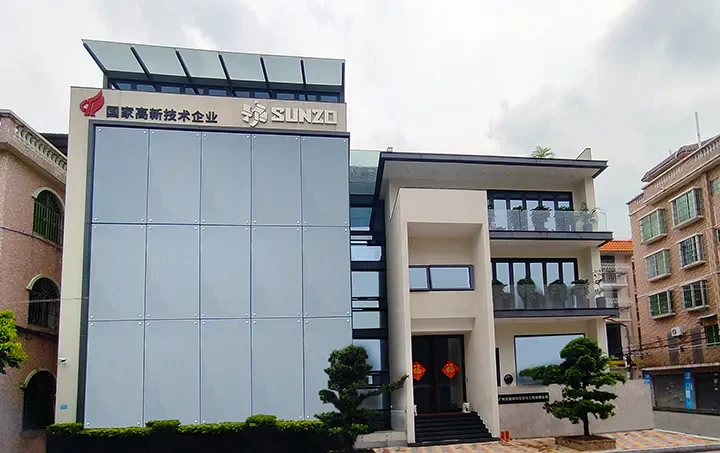
When it comes to ground improvement, picking the right method and making sure it’s done right is key. Here’s how we handle it, step by step, for our customers across the U.S.
Selection Factors
We look at several things before deciding on a soil stabilization technique:
- Soil Type: Sandy, clay, or mixed soils all need different solutions, like aggregate piers installation or deep soil mixing.
- Project Size: Residential, commercial, or big infrastructure jobs each call for specific ground improvement methods.
- Load Requirements: We check how much weight the ground needs to support, which helps us choose between vibro compaction methods, reinforcement techniques, or others.
- Site Conditions: Is the area prone to liquefaction or settlement? We use bearing capacity improvement and foundation settlement control strategies.
- Budget and Timeline: We find the most cost-effective and efficient solution, whether that’s dynamic compaction or jet grouting applications.
The Design Build Process
Our design-build process keeps your project on track from start to finish:
- Site Assessment: We run geotechnical site preparation tests to understand the soil and what it needs.
- Custom Solution Design: Based on the data, we pick the best ground improvement technique, like deep soil mixing or chemical grouting.
- Planning and Permitting: We handle the paperwork and make sure everything meets local codes and environmental guidelines.
- Installation: Our team gets to work, using the latest equipment and methods for safe, reliable results.
- Quality Control: We monitor every step, using testing and inspection to make sure the ground is stable and ready for construction.
- Project Handover: We wrap up with a final check and hand over a site that’s ready for your next phase.
With Sunzo, you get a partner who knows the ins and outs of ground improvement in the U.S.—from selection to installation. We make sure your project is built on solid ground, every time.
Sunzo Your Partner in Ground Improvement Excellence
At Sunzo, we know ground improvement inside and out. As a trusted ground improvement contractor across the United States, we focus on practical soil stabilization techniques that deliver real results—whether you’re prepping for a new commercial building, tackling foundation settlement, or upgrading infrastructure.
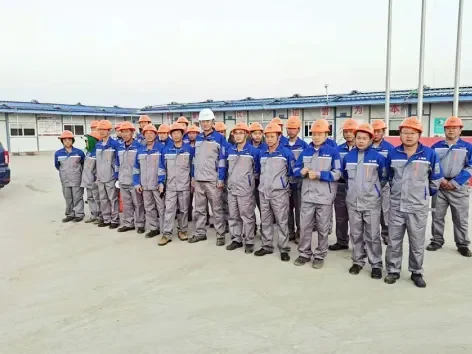
Here’s what sets us apart:
- Local Experience: We understand the soil challenges unique to different regions in the U.S. From sandy coasts to clay-heavy inland sites, we’ve seen it all.
- Full-Service Solutions: Our team handles everything—from site assessment, design, and permitting to the installation of aggregate piers, vibro compaction, deep soil mixing, and jet grouting.
- Advanced Methods: We use proven methods like dynamic compaction and chemical grouting to improve bearing capacity and control liquefaction risks.
- Reliable Results: We focus on getting your project built on solid ground, minimizing delays and future settlement issues.
- Customer-First Approach: We keep you in the loop at every stage, making sure our solutions fit your budget, timeline, and site needs.
If you’re looking for a partner who gets the job done right the first time, Sunzo is ready to help. Let’s make your next project a success—starting from the ground up.
 English (United States)
  Vietnamese
  Malay
Malay  French
  Spanish
  Indonesian
  Russian
  Arabic
  Thai
Thai  English (South Africa)
  Panjabi
  Portuguese
  Amharic