 跳至内容
跳至内容 
The Fundamentals When and Why Use Ground Improvement Techniques
Ground improvement techniques are essential when natural soil conditions don’t meet the requirements for a strong, stable foundation. Common challenges like low bearing capacity, excessive settlement, high groundwater levels, or weak fills in soils such as clays, sands, or peats can threaten the safety and longevity of any construction project. When these issues arise, relying solely on traditional deep foundations or excavation methods might not be the best choice.
Compared to deep foundation installation or extensive excavation, ground improvement methods often offer significant cost savings and lower environmental impact. They help avoid large-scale soil removal and reduce the carbon footprint associated with heavy machinery and material transport. Plus, improved ground conditions can speed up construction timelines, saving time and money.
Before selecting a ground improvement technique, a thorough site assessment is crucial. Geotechnical soil testing helps identify soil types, moisture content, density, and groundwater conditions—key factors that influence which methods will work best. Understanding local soil behavior and constraints ensures that the chosen ground densification process or stabilization method suits the project’s needs.
Here’s a quick tip from Sunzo: integrating ground improvement planning early in your design-build phase boosts efficiency and prevents costly redesigns down the line. This proactive approach makes all the difference in delivering safe, cost-effective projects that stand the test of time.
For more on how we approach site evaluation and project planning, check out our ground improvement projects.
Core Ground Improvement Techniques A Breakdown of Proven Methods
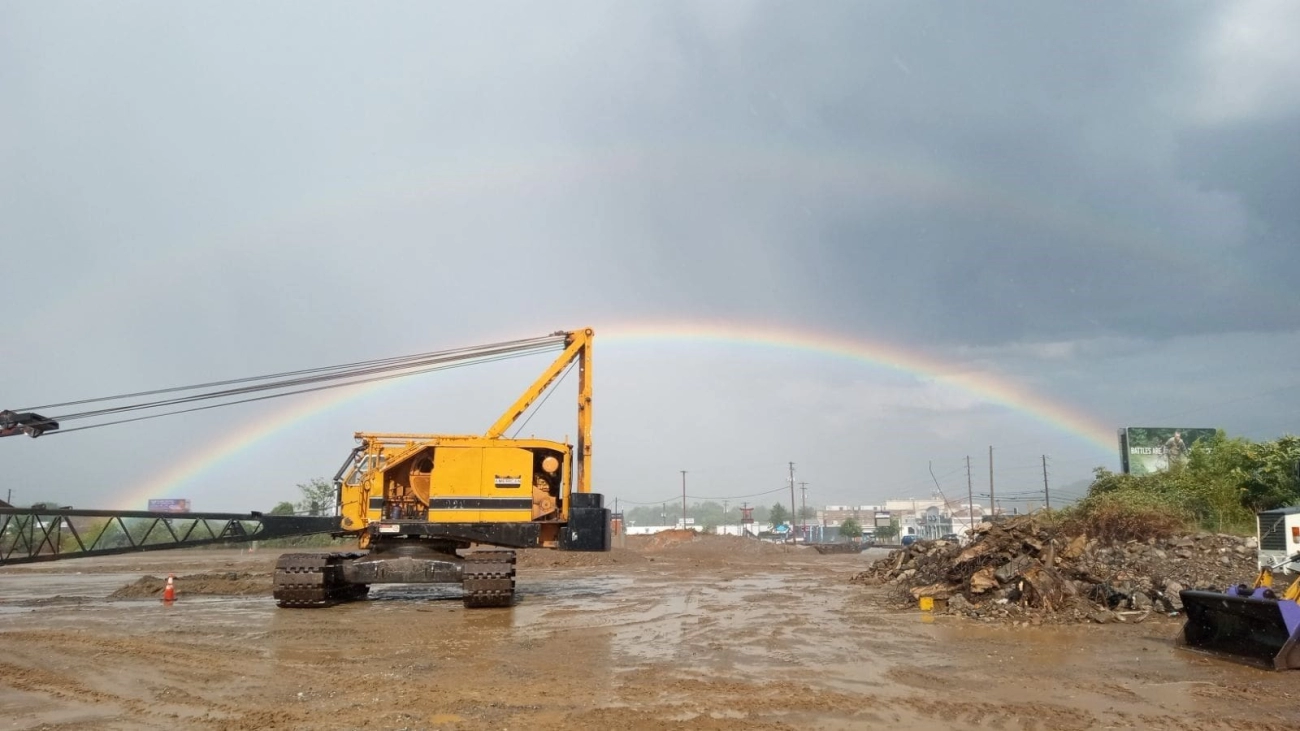
When it comes to ground improvement techniques, we focus on several trusted methods to tackle different soil challenges. Here’s a quick look at the main approaches:
Mechanical Densification Methods
These methods pack the soil tighter to boost strength and reduce settlement.
- Dynamic Compaction: Dropping heavy weights repeatedly to densify deeper soils. Great for loose sands but can cause vibrations nearby.
- Vibro Compaction: Using vibrating probes to rearrange soil particles, mainly in granular soils. It’s quick and effective but not ideal for clays.
- Stone Columns (Vibro Stone Columns): Installing columns of crushed stone into soft soils. They improve drainage and bearing capacity, often used under foundations and slabs.
Pros: Generally cost-effective, quick, and environmentally friendly compared to excavation.
Cons: Limited use in very soft clays or organic soils.
Hydraulic Drainage Methods
These speed up natural settlement by helping water leave soft soils faster.
- Prefabricated Vertical Drains (PVDs): Small plastic strips put into the ground to drain water.
- Preloading and Consolidation: Adding temporary weight on the soil surface to push water out.
Used together, they accelerate soil settlement, reducing wait times before construction.
Chemical Admixture Methods
These stabilize soils by mixing in binding agents:
- Deep Soil Mixing: Mechanically blending cement or other binders into soil to form stronger columns or blocks.
- Jet Grouting: Injecting high-pressure grout to create solidified soil masses, adaptable to various soil types.
- Grouting Techniques: Filling voids or weak zones with cement or chemical grout for added strength and water control.
These methods are versatile and excellent for soils that don’t respond well to densification.
Other Advanced Techniques
For special cases, we use:
- Ground Freezing: Temporarily freezing soil to stabilize it for excavation or construction.
- Electro Osmosis: Using electrical currents to move water through fine, saturated soils and improve stability.
Choosing the Right Method
Here’s a simple comparison to guide decisions:
| Technique | Best Soil Type | Typical Depth Range | Approximate Cost | Common Use Case |
|---|---|---|---|---|
| Dynamic Compaction | Loose Sands | 5-15 ft | Moderate | Large fill sites |
| Vibro Compaction | Granular Soils | 10-30 ft | Moderate | Industrial pads |
| Stone Columns | Soft Clays & Silts | Up to 50 ft | Moderate to High | Foundations, roads |
| Prefabricated Vertical Drains | Clay & Silts | 10-60 ft | Low to Moderate | Preloading consolidation |
| Deep Soil Mixing | Clays, silts, fill | Up to 40 ft | High | Urban sites with restrictions |
| Jet Grouting | Various soils | Up to 60 ft | High | Under existing structures |
| Ground Freezing | Soft soils | Varies | Very High | Temporary works |
| Electro Osmosis | Fine-grained soils | Shallow | Moderate | Specialty projects |
At Sunzo, we often combine these techniques depending on soil conditions and project needs, delivering tailored solutions that save time and money. Hybrid methods blend mechanical and chemical approaches to tackle tricky soils with better results.
Selecting the Right Ground Improvement Technique Key Factors and Best Practices
Picking the best ground improvement technique depends on several key factors. First, soil type is crucial—whether you\’re dealing with clay, sand, peat, or weak fills guides which method will work best. Groundwater conditions matter a lot too, as high water tables can affect drainage and stabilization methods. Your project scale, timeline, and budget also shape the decision. Large sites with tight schedules might lean toward faster methods like dynamic compaction, while smaller projects could opt for chemical admixtures.
Using a simple decision framework or tree can help weigh these factors quickly:
- Soil type: clay vs. sand vs. peat
- Depth of improvement needed
- Groundwater presence
- Project size and timeline
- Budget constraints
Local Considerations
In the U.S., local conditions sometimes call for special adaptations:
- Seismic retrofits need techniques that improve liquefaction resistance, like vibro stone columns or deep soil mixing.
- Coastal reclamation projects may require methods that handle salty water and weak marine soils, such as prefabricated vertical drains combined with preloading.
- Regulatory standards vary by state and county. Make sure your chosen method meets local building codes and environmental rules.
Common Pitfalls
Avoid these common mistakes:
- Overlooking vibrations during construction can damage nearby structures—plan carefully.
- Underestimating geotechnical testing leads to poor design choices. Always get thorough soil assessments.
- Skipping expert audits can cost you money and time if the ground improvement doesn’t perform as expected.
Sustainability Angle
More clients are asking for eco-friendly ground improvement options, and these are gaining traction:
- Bio grouting uses natural materials to stabilize soil with minimal environmental impact.
- Other chemical admixture methods now focus on reducing harmful components.
Choosing greener methods not only supports sustainability goals but can also improve community acceptance and long-term site health.
Real World Applications and Sunzo’s Proven Success Stories
At Sunzo, we’ve put ground improvement techniques to work on real projects that matter to our local clients. For example, we’ve installed aggregate piers to strengthen soil beneath warehouses, reducing settlement and boosting load capacity with measurable success. Our vibro stone column methods have improved highway stability by increasing soil density, helping prevent costly road damage and reducing maintenance needs.
We know urban construction in the U.S. faces unique challenges like tight spaces and tight timelines. Our solutions address these pain points by speeding up foundation work and controlling soil issues before they cause delays. Whether it’s urban densification driving demand or dealing with poor soil conditions, our approach helps keep your projects on track and on budget.
By focusing on practical, proven ground improvement methods, Sunzo delivers reliable results that fit local needs and reduce risks for builders and developers alike.
 English (United States)
  Vietnamese
  Malay
Malay  French
  Spanish
  Indonesian
  Russian
  Arabic
  Thai
Thai  English (South Africa)
  Panjabi
  Portuguese
  Amharic