 跳至内容
跳至内容 
If you’re involved in construction or geotechnical engineering, you already know that ground improvement methods can make or break a project’s success. Poor soil conditions—like loose sands, soft clays, or high groundwater—pose serious challenges that lead to costly delays and structural failures. The good news? Applying the right ground improvement method not only stabilizes the soil but can save you time and money while boosting safety and durability. In this post, we’re cutting through the complexity to show you the essential techniques every builder and engineer should know—so you can build confidently on solid ground.
The Core Challenges When and Why You Need Ground Improvement
Construction projects often face significant challenges due to problematic soil conditions. Common issues include loose granular soils that lack cohesion, soft clays and peats with low strength, high groundwater levels, and areas prone to liquefaction risks—especially in seismic zones. These conditions can cause uneven settlement, reduce the load-bearing capacity, and lead to lateral spreading, threatening structural stability and project timelines.
For example, a commercial building on loose sandy soil without proper ground improvement faced costly foundation repairs due to excessive settlement. In coastal regions, soft clay layers often require stabilization to prevent sinking and ensure durability.
Choosing when to use a ground improvement method depends on the specific soil challenges and project goals. While options like removing and replacing poor soil or deep piling can work, they are often more expensive, time-consuming, or environmentally intrusive. Ground improvement offers a cost-effective, sustainable alternative that enhances soil properties in place, minimizing delays and reducing risk.
The table below s common soil types and the recommended ground improvement needs:
| Soil Type | Common Challenges | Typical Ground Improvement Needs |
|---|---|---|
| Loose Granular Soil | Low density, settlement risk | Vibro compaction, stone columns |
| Soft Clays and Peats | Low strength, high compressibility | Deep soil mixing, lime stabilization |
| High Groundwater | Reduced soil strength, flow issues | Chemical grouting, drainage solutions |
| Seismic Zones | Liquefaction and lateral spreading | Stone columns, dynamic compaction |
Understanding these core challenges helps project teams select the best soil stabilization techniques early, ensuring stable foundations, avoiding costly delays, and optimizing investment.
Mechanical Ground Improvement Methods Densifying and Reinforcing Soils
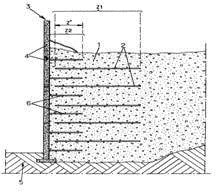
Mechanical ground improvement focuses on making soils denser and stronger by physically changing their structure. This approach is ideal for loose granular soils and mixed soil types, helping improve bearing capacity and reduce settlement.
Vibro Compaction and Stone Columns
Vibro compaction uses a vibrating probe to rearrange loose, granular soil particles closer together. Stone columns are similar but involve installing gravel or crushed stone columns into softer ground to reinforce it. Both methods:
- Applications: Great for sandy soils, improving stability under foundations, roads, and tank pads.
- Pros: Quick installation, cost-effective, improves drainage, and reduces liquefaction risk.
- Cons: Not suitable for very soft clays or organic soils; limited depth reach.
Aggregate Piers
Aggregate piers are compacted gravel columns formed by ramming or vibrating aggregate into the ground. This technique works well for mixed soil layers where reinforcement is needed.
- Installation steps: Drilling a small diameter hole, placing aggregate, then compacting in stages.
- Benefits: Excellent for increasing load-bearing capacity, controlling settlement, and supporting shallow foundations.
- Sunzo project snippet: Our work on a mixed soil site in Texas showed a 40% settlement reduction using aggregate piers, supporting both light and heavy structures effectively.
Dynamic Compaction
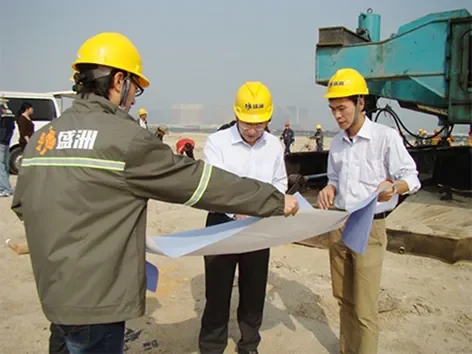
Dynamic compaction involves dropping a heavy weight repeatedly onto the ground to densify soil layers. It\’s mostly used for shallow fills and large industrial site preparations.
- Pros: Rapid treatment of loose fill or sandy soils; no chemicals needed.
- Cons: Can be noisy and cause vibrations, so not ideal close to sensitive buildings or in urban areas.
- Environmental considerations: Monitoring needed to minimize disruption to nearby structures and groundwater.
Infographic
| Method | Suitable Soils | Installation Depth | Main Benefits |
|---|---|---|---|
| Vibro Compaction | Loose granular soils | Up to 50 ft | Dense soil, improved drainage |
| Stone Columns | Soft clays, loose soils | 20 – 60 ft | Reinforcement, liquefaction mitigation |
| Aggregate Piers | Mixed soils | 15 – 40 ft | Load support, settlement control |
| Dynamic Compaction | Loose/young fills | 10 – 30 ft | Quick densification for large areas |
For detailed case studies and tailored solutions, check out our ground improvement project page to see how these methods could fit your soil challenges.
Chemical and Hybrid Ground Improvement Methods Stabilizing Through Binders
Chemical and hybrid ground improvement methods focus on stabilizing weak soils by adding binders that increase strength and reduce settlement. These methods work well in soft clays, silts, and other challenging soils where mechanical densification alone might not be enough.
Deep Soil Mixing
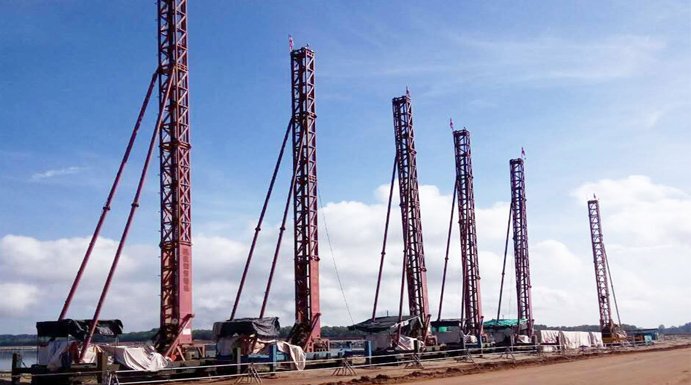
Deep soil mixing involves blending cementitious slurries or dry binders directly into weak clays or silty soils. This process creates strong, stable columns underground, improving load-bearing capacity and durability. It’s a popular choice for large projects needing long-term soil stabilization, like highways and foundation support.
Jet Grouting and Chemical Grouting
Both jet grouting and chemical grouting use high-pressure injections to improve soil properties. Jet grouting sprays cement grout into the soil to form solidified columns, which are excellent for controlling permeability and underpinning structures in tight urban spaces. Chemical grouting, on the other hand, injects resins or other chemicals to fill voids and strengthen soils. These methods help control water flow and reduce settlement but can be costly and require skilled contractors.
Lime Fly Ash Stabilization and Rigid Inclusions
For eco-friendly ground improvement, lime fly ash stabilization is a go-to solution for road bases and embankments. It’s effective at increasing soil pH and improving strength naturally. Rigid inclusions — concrete or steel columns installed into the ground — work well alongside these methods, especially in seismic zones where extra reinforcement is needed.
Quick Comparison Table
| Method | Pros | Cons | Cost per Sqm | Depth Capability |
|---|---|---|---|---|
| Deep Soil Mixing | Long-lasting, strong, good for soft clays | Higher cost, requires heavy equipment | $50 – $100+ | Up to 50 ft |
| Jet Grouting | Precise, great for urban underpinning | Complex, expensive, slower process | $75 – $150 | Up to 100 ft |
| Chemical Grouting | Quick, good for permeable soils | Limited strength gain, chemical handling | $40 – $90 | Up to 30 ft |
| Lime Fly Ash Stabilization | Eco-friendly, cost-effective for roads | Slower strength gain, less effective in wet clays | $20 – $50 | Surface to 10 ft |
| Rigid Inclusions | Heavy load support, seismic zones | More invasive, higher upfront cost | $100+ | Up to 40 ft |
These chemical and hybrid techniques offer flexible options when mechanical methods alone don\’t meet project needs. By choosing the right binder and process, you can control settlement, improve bearing capacity, and tackle permeability issues effectively.
Advanced Techniques Addressing Specialized Risks
When your project faces specialized ground risks, standard ground improvement methods might not cut it. That’s where advanced techniques come in.
Ground Freezing and Drainage Solutions
- Used to temporarily stabilize soil during excavation, especially in tricky urban sites.
- Also effective for liquefaction mitigation in seismic areas where loose soils could behave like liquid during earthquakes.
Controlled Modulus Columns (CMC)
- This method uses grout displacement to strengthen weak soils and control settlement beneath slabs and foundations.
- It’s gaining traction in sustainable construction for reducing material use while maintaining strong support.
Integration With Technology
- Geotechnical modeling software plays a major role by predicting soil behavior and helping choose the best ground improvement strategy before work starts.
- This tech-driven approach reduces risks and surprises on-site.
Niche Applications
- Tunneling support in unstable soils
- Slope stability in hilly or cut areas
- Environmental remediation projects
- Temporary support during deep foundation work
These specialized methods address risks that could otherwise delay or derail a project, keeping stateside construction safe and on schedule.
For more on advanced ground solutions, check our work on ground improvement projects.
Selecting the Right Ground Improvement Method A Step by Step Guide
Choosing the right ground improvement method depends on several key factors. Here’s what you need to consider before deciding:
- Soil type: Different soils like loose granular soils, soft clays, or peats respond better to specific methods.
- Groundwater level: High groundwater can limit options or require special techniques like chemical or mechanical stabilization.
- Project scale: Large industrial sites might favor dynamic compaction, while smaller urban projects lean towards jet grouting or stone columns.
- Budget and timeline: Some methods cost more upfront but save time and reduce long-term settlement risks.
Step by Step Process
-
Site investigation
Detailed soil testing and groundwater analysis set the foundation for the right method.
-
Design and modeling
Use geotechnical modeling software to simulate different improvements and predict settlement or bearing capacity gains.
-
Contractor evaluation
Choose contractors experienced in your chosen method to ensure quality and timely delivery.
Cost Analysis and ROI
- Initial costs vary widely based on soil conditions and method complexity.
- Evaluate long-term benefits like reduced settlement, fewer repairs, and extended foundation life.
- Balancing upfront investment with project goals is crucial.
Checklist to Discuss with Your Geotech Engineer
- What soil problems exist on site?
- Which improvement methods will provide the best bearing capacity?
- How does groundwater affect method selection?
- What’s the estimated project timeline including construction impacts?
- How will costs compare to expected performance and risks?
Answering these questions helps tailor the ground improvement strategy to your project’s unique needs. For more insights on soil stabilization techniques, check out our detailed land soil improvement resources.
Sunzo’s Expertise Proven Ground Improvement Solutions for Your Project

With over 20 years in the field, Sunzo brings trusted, custom ground improvement methods tailored for U.S. soil conditions. We’ve successfully completed more than 500 projects, tackling everything from soft clays to loose granular soils with proven results.
One standout success was a clay soil stabilization project where we reduced settlement by over 60%, significantly improving bearing capacity and saving the client time and money. This real-world example shows how our geotechnical ground modification skills translate into measurable project gains.
Sunzo is also committed to sustainability. We use eco-friendly techniques like recycled aggregates and green binders that support durability while reducing environmental impact. Our approach helps you meet both performance goals and green building standards.
Ready to see how Sunzo can improve your site? Contact us for a free site audit and personalized ground improvement plan designed for your project’s unique soil challenges.
 English (United States)
  Vietnamese
  Malay
Malay  French
  Spanish
  Indonesian
  Russian
  Arabic
  Thai
Thai  English (South Africa)
  Panjabi
  Portuguese
  Amharic