 跳至内容
跳至内容 
If you’re stepping into the world of geotechnical engineering or planning a construction project on tricky soil, understanding ground improvement techniques is absolutely essential. Weak or unstable soil can turn even the best designs into costly headaches. In this guide, you’ll get a straightforward yet powerful introduction to ground improvement techniques—from mechanical methods like vibro compaction to cutting-edge chemical stabilization approaches. Whether you’re a student, site engineer, or project planner, this is your go-to overview to build stronger foundations, avoid delays, and save money. Ready to turn unstable ground into solid success? Let’s dive in!
Introduction Why Ground Improvement Matters in Modern Construction
Ever stood on a construction site and wondered how builders make sure the ground can actually hold up huge buildings or bridges? That’s where ground improvement comes in. It’s not just fixing dirt—it’s about transforming weak or unstable soil into a strong, reliable foundation. Without it, projects risk costly delays, safety issues, or even catastrophic failures.
So what is ground improvement? Simply put, it’s a set of techniques designed to enhance soil properties. Whether it’s making soft clay firmer or improving drainage, these methods ensure the soil can safely support the structure above.
Why does it matter?
- Prevents settlement and structural damage
- Reduces construction risks and costs
- Improves sustainability by optimizing site conditions
- Speeds up project timelines
There are many ways to improve soil, from mechanical methods like dynamic compaction and stone columns to chemical treatments like deep soil mixing and grouting. Hydraulic drainage and innovative approaches such as ground freezing and geosynthetics also play key roles.
At Sunzo, we combine expert knowledge with advanced diagnostics to help you pick the best ground improvement technique for your project. Whether you’re managing urban high-rises, bridge foundations, or land reclamation, we’re here to support safer, smarter construction.
In this guide, we’ll break down the main ground improvement methods, how to choose the right one, real-world examples, and the future of soil stabilization—all tailored for the US market and modern construction challenges.
Understanding Soil Challenges When and Why to Improve the Ground
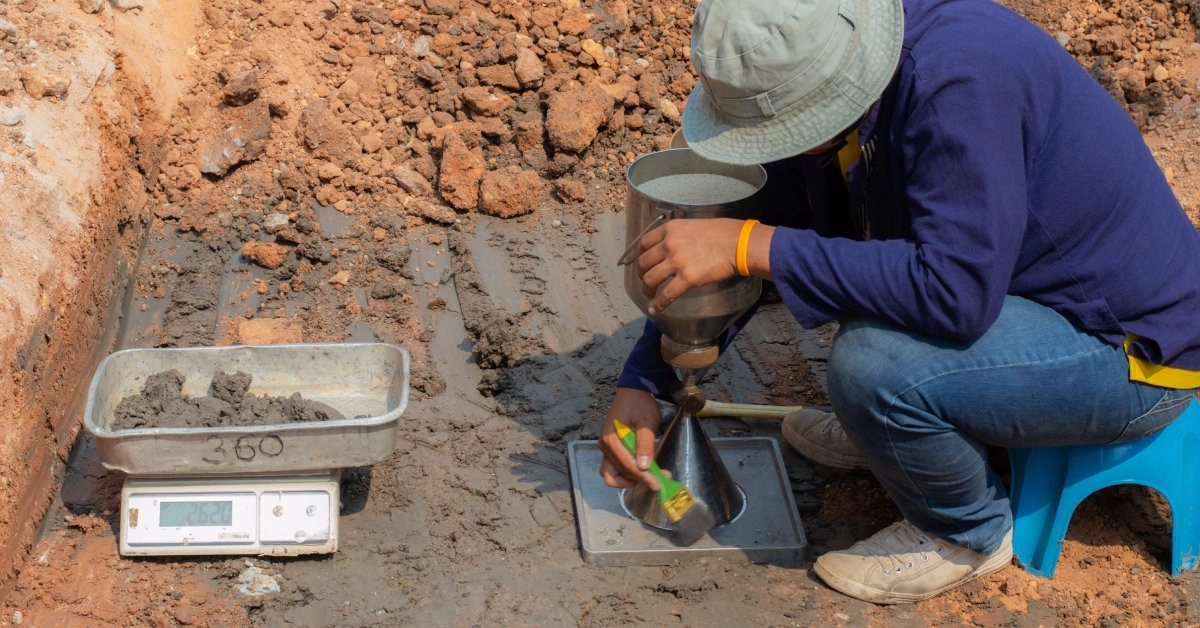
Before jumping into ground improvement techniques, it\’s important to understand the soil challenges that often cause problems in construction projects. Common soil issues like loose sand, soft clay, or high moisture content can lead to settling, instability, or even failure of foundations. That’s where geotechnical assessments come in—they help identify soil types, strength, and risks before construction starts.
Projects usually need ground improvement when soil conditions don’t meet safety or design requirements. This can happen with urban developments, bridge foundations, or land reclamation, where poor soil can cause delays, higher costs, or safety concerns. Addressing these early saves money and avoids costly repairs down the line. It also helps reduce environmental impacts by minimizing excessive excavation and lowering material waste.
At Sunzo, we emphasize thorough soil diagnostics to pinpoint issues quickly and accurately. Using detailed soil surveys and testing, we can better predict failure risks and recommend the right improvement strategy. We often use visual tools like infographics showing soil types versus their typical failure risks to make this clear for clients and project teams.
Quick tips to spot soil challenges:
- Check for high water tables or saturated soils
- Look for soft clay layers or loose granular materials
- Assess soil compaction and density
- Review past site history or nearby construction issues
Understanding these soil conditions sets the foundation for smarter ground improvement choices, saving time and budget on your project.
Core Ground Improvement Techniques A Breakdown of Proven Methods
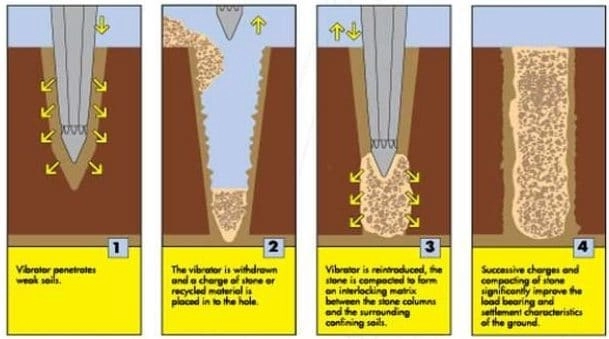
When it comes to strengthening soft or weak soils, there are several reliable ground improvement techniques used across the U.S. Let’s break down the core methods and where they fit best.
Mechanical Methods
These methods physically change the soil to boost stability and load-bearing capacity.
- Dynamic Compaction: Dropping heavy weights repeatedly to compact loose soils. Ideal for large, open sites with granular soils.
- Vibro-Compaction: Using vibrating probes to densify sandy soils by rearranging soil particles. Common in urban areas needing quick, effective solutions.
- Stone Columns: Installing columns of crushed stone to improve drainage and support. Great for soft clay and silty soils.
- Prefabricated Vertical Drains (PVDs): Plastic drains installed vertically to speed up soil consolidation, often paired with surcharge preload.
Hydraulic Drainage Methods
These focus on removing water to improve soil strength.
- Preloading and Surcharge: Applying extra weight on the ground surface to squeeze water out and compact the soil below over time.
- Electro-Osmosis: Applying electrical currents to move water through fine-grained soils, though less common, it’s useful for specific site conditions.
Chemical Admixture Methods
These improve soil by adding stabilizing chemicals.
- Deep Soil Mixing: Mixing binders like cement or lime directly into the soil through specialized equipment, effectively stiffening weak soils.
- Grouting: Injecting chemical grouts or cement-based mixtures into the ground to fill voids and strengthen soil.
Other Innovative Approaches
Modern tech keeps evolving ground improvement options.
- Ground Freezing: Temporarily freezes water in the soil to create a solid mass, useful in tricky excavation projects.
- Geosynthetics: Synthetic materials like geotextiles and geomembranes that reinforce soil and control drainage.
Quick Comparison Table
| Technique | Pros | Cons | Typical Depth | Cost | Best Soil Types |
|---|---|---|---|---|---|
| Dynamic Compaction | Fast, cost-effective | Noise, limited depth | Up to 50 ft | $$ | Granular soils |
| Vibro-Compaction | Good for loose sands | Vibration impact in dense areas | Up to 40 ft | $$$ | Sands |
| Stone Columns | Improves strength & drainage | Installation time | 20-60 ft | $$$ | Soft clays, silts |
| Prefabricated Vertical Drains | Speeds consolidation | Requires surcharge loading | 30-50 ft | $$ | Clayey soils |
| Preloading/Surcharge | Long-term soil settlement | Time-consuming | Surface loading | $ | Soft soils |
| Electro-Osmosis | Effective for fine soils | Limited commercial use | Shallow | $$$$ | Clays |
| Deep Soil Mixing | Very strong improvement | Expensive and complex | Up to 100 ft | $$$$ | Weak soils, diverse types |
| Grouting | Versatile, quick | Chemical sensitivity | Variable | $$$ | Various soils |
| Ground Freezing | Temporary, safe | High cost, energy use | Shallow to deep | $$$$ | Wet soils, groundwater |
| Geosynthetics | Cost-effective reinforcement | Design expertise required | Surface layers | $-$$ | Wide range |
Choosing the right improvement method depends on soil conditions, project size, timeline, and budget. With a clear understanding of these options, you can match the best approach to your construction needs.
Selecting the Right Technique Factors and Best Practices
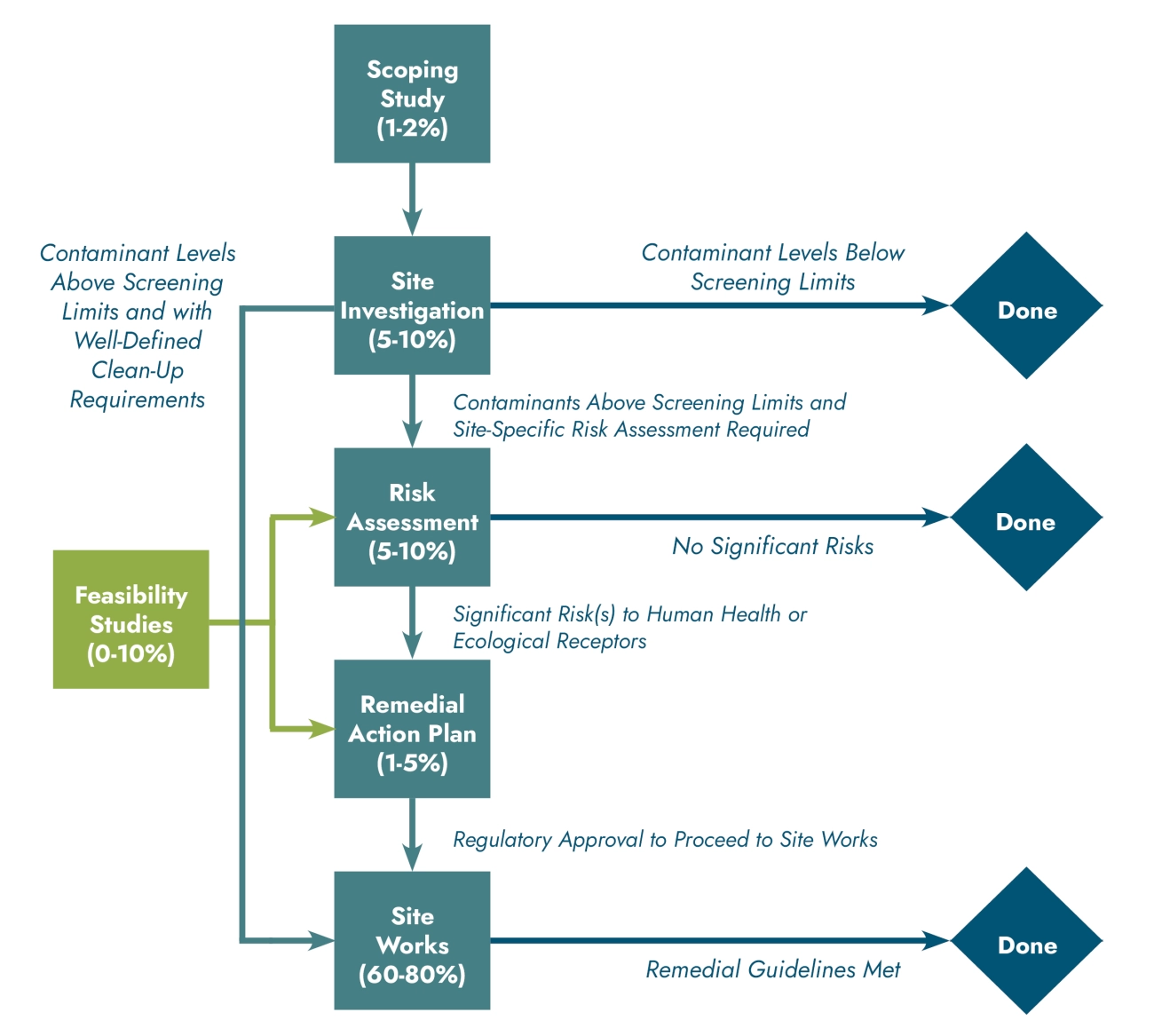
Choosing the right ground improvement technique is key to a project’s success. It’s never a one-size-fits-all approach—each site brings its own set of challenges and needs. Here’s what you should consider:
- Site-specific evaluation: Start with a detailed assessment of soil type, depth, and groundwater conditions. This helps pinpoint the best method that matches your soil’s behavior.
- Budget and timeline: Some methods like dynamic compaction are fast but costly, while others like preloading take longer but may save money overall. Balance your project’s schedule and cost goals carefully.
- Environmental regulations: Local rules on noise, vibrations, and emissions can limit which ground improvement options are feasible. Always check compliance early.
- Design process: Use geotechnical modeling and pilot testing to validate your choice. This reduces risks and ensures expected performance on site.
- Hybrid approaches: Sometimes combining methods—like stone columns with chemical grouting—can deliver better results, especially in complex soils.
At Sunzo, we recommend using tools like our ROI calculator to weigh cost versus benefits upfront. A clear decision flowchart also helps teams quickly zero in on the most efficient and effective ground improvement solutions.
For more detailed guidance, check out our standards and case studies at Sunzo ground improvement projects. This approach ensures your ground is ready to support any structure safely and sustainably.
Real World Applications and Sunzo Case Studies
Ground improvement techniques are at the heart of many successful projects across the U.S., especially in urban areas where space and soil conditions can be tricky. From supporting towering urban high-rises to stabilizing bridge foundations and reclaiming land for new development, these methods make the impossible possible.
Sunzo has been instrumental in these efforts. In 2024 alone, we’ve completed key projects that tackled challenging soil conditions while keeping noise and vibration to a minimum—important in busy city centers. Our focus on sustainability means we prioritize eco-friendly methods that reduce environmental impact without sacrificing performance.
Here’s a quick look at how Sunzo delivers results:
- Urban High-Rises: Stabilizing soft soils with deep soil mixing and stone columns to support massive weight.
- Bridge Foundations: Using dynamic compaction and prefabricated vertical drains for fast, reliable consolidation.
- Land Reclamation: Preloading and surcharge techniques to prepare underwater soils for development.
Our real-world successes come with clear metrics and lessons, ensuring clients get the best value. We also incorporate SEO-friendly content and schema markup on our project pages to help you find detailed reports and user feedback easily.
For more about our ground improvement projects and services, check out our ground improvement contractor page and explore detailed examples on our land soil improvement site.
Future Trends and Innovations in Ground Improvement
Ground improvement is evolving fast, and new technologies are shaping how we build stronger, safer foundations. One exciting area is bio-cementation, where natural bacteria help bind soil particles together. This method reduces the need for traditional, energy-heavy materials, cutting both costs and environmental impact.
Artificial Intelligence (AI) is also stepping in, helping engineers design ground improvement systems that are optimized for specific site conditions. AI tools can analyze large sets of geotechnical data to find the best techniques and materials faster than ever. This means smarter decisions with less guesswork.
There’s a growing push toward carbon-neutral admixtures—chemical additives that stabilize soil without adding to carbon emissions. These greener alternatives help reduce the embodied carbon footprint of construction projects, something many U.S. builders and developers are now prioritizing.
Sustainability is front and center in all new innovations, focusing on lowering environmental impact while improving soil performance. At Sunzo, our research and development vision is to create adaptive, climate-resilient infrastructure. As weather patterns shift and regulations tighten, we make sure our ground improvement solutions meet future challenges head-on, ensuring your projects are built to last.
Keeping up with these trends means investing in foundations that not only support the structure above but also support a greener, smarter future.
 English (United States)
  Vietnamese
  Malay
Malay  French
  Spanish
  Indonesian
  Russian
  Arabic
  Thai
Thai  English (South Africa)
  Panjabi
  Portuguese
  Amharic